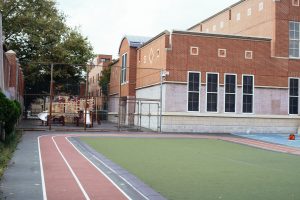
When asked about their education at Everdeen, Australian students spoke widely and excitedly about extracurriculars, particularly sports. It was only when academic classes and programs were addressed directly that they were open to discussing their academic experience. This observation from a series of interviews has made me wonder what is more important at these elite schools: extracurriculars, social life, or academic opportunities.
Based on these student interviews, it may be assumed that Everdeen students find more value in their extracurriculars than in their academics. While both extracurriculars and academics are required, sports and the performing arts, for example, provide these young adults with social outlets and the opportunity to make meaning of their place in their little school bubble. As one pro-private school journalist notes, “Among their benefits, they allow your child to grow. They stimulate them with new ways of thinking and help them develop self-confidence. They teach tolerance and emphasize teamwork, lessons a child needs to learn to be a successful, well-rounded adult” (Buice 2019). In this sense, private schools are valuable for lessons in socialization and the development of the self.

So, based on this perspective on the importance of extracurriculars, do academics even matter anymore? Well, of course, they matter to the degree that they are required and for the development of skills. However, it could be argued that in the contemporary world, social, cultural, and economic capital may be more important. As described by sociologist Pierre Bourdieu, these forms of capital enhance someone’s status within society and elite institutions reproduce social hierarchies. Nowadays, networking scores good jobs, and extracurricular activities make someone stand out on a resume. Perhaps, then, it is not necessarily the academics that families are paying thousands of dollars for. As found in our research at Everdeen, some students consistently report highly of their social lives and extracurriculars outside of class while lacking passion for their academic courses. While they may just be procrastinating teenagers who would rather be playing soccer or dancing on stage, it can also be telling that they love their schools based on their activities outside of class.
Works Cited
Bourdieu, Pierre. 1996. The State Nobility: Elite Schools in the Field of Power. Cambridge, UK: Polity Press.
Buice, David. 2019. “Extracurricular Activities at Private Schools.” The Dallas Morning News. Accessed April 6, 2023. https://www.dallasnews.com/sponsored/2019/10/01/extracurricular-activities-at-private-schools/#:~:text=Among%20their%20benefits%2C%20they%20allow,successful%2C%20well%2Drounded%20adult.