
Qualitative Research: Objectivity and Selectivity in Educational Research
Research in any field aims to expand our knowledge and understanding of the world around us. In the context of education, research is critical for improving teaching practices, student learning, and educational policies. Choosing the appropriate research methodology, qualitative
 or quantitative, is essential to a successful research investigation. As a primarily STEM student, I often think of research from a numerical perspective because I’ve been accustomed to the notion that research provides hard answers and is supposedly more “scientific” than qualitative research. However, while reading the interview data for the Globally Elite project, I realized that qualitative research, unlike quantitative, has the ability to capture the complexity of human experiences. Instead of focusing on the “what,” qualitative research can look into the “why” and provide insight into more subtle, underlying patterns. With a newfound understanding and appreciation for qualitative research, I began to wonder about the role of subjectivity and what it means to stay objective in qualitative research.
Qualitative vs. Quantitative Research in Education
Quantitative research in education, like any other field, focuses on collecting and analyzing numerical data, for instance, test scores or survey responses, to test hypotheses or identify patterns. This methodology is often used to measure the effectiveness of educational programs, identify best practices, or compare different teaching methods. Quantitative research is highly structured, and researchers use objective measures to ensure the data’s reliability and validity.
On the other hand, qualitative research is an exploratory approach that aims to understand the experiences and perspectives of individuals in different educational settings. This methodology involves collecting data through observation, interviews, or focus groups and analyzing the data through themes, patterns, or narratives. By nature, qualitative research is highly subjective, with conclusions relying primarily on researchers and their interpretation and analysis of the data.
Staying Objective in Qualitative Research in Education
Staying objective in research, in general, is crucial to ensure that the data collected is reliable and valid. In quantitative research, maintaining objectivity is relatively easy, as the methodology is highly structured and standardized measures are used to collect data. However, in qualitative research, staying objective is more challenging due to its innate exploratory nature.
One way to stay objective in qualitative research is triangulation, a method that involves cross-checking and comparing data from different sources to ensure that the findings are consistent and reliable. By incorporating multiple perspectives or data sources, triangulation increases the comprehensiveness and depth of results, thus proving itself an effective technique for maintaining objectivity in qualitative research.
Should You Stay Objective in Qualitative Research in Education?
However, given qualitative research’s ability to discern multifaceted trends, the question of whether or not researchers should stay objective in qualitative research in education is a well-purposed topic of debate. Some argue that objectivity in qualitative research in education is near impossible, as researchers’ interpretations and data analysis will always be subjective. Instead, they emphasize that researchers should embrace subjectivity and use their experiences and emotions to understand the data fully.
Conversely, others argue that objectivity is essential in all research, including qualitative analysis. Staying objective ensures that the data collected is reliable and valid and can be used to develop theories and make decisions. Objectivity also allows for replication, where other researchers can replicate the research to confirm the findings.
The Role of Subjectivity in Qualitative Research in Education
While staying objective is essential in qualitative research in education, subjectivity also has a role in understanding the data fully. Qualitative education research aims to understand individuals’ experiences and perspectives, and subjectivity can help researchers gain a deeper understanding of the data collected. In accepting the role of subjectivity, researchers may be able to identify themes, patterns, and narratives that may have been missed if they were to remain completely objective. 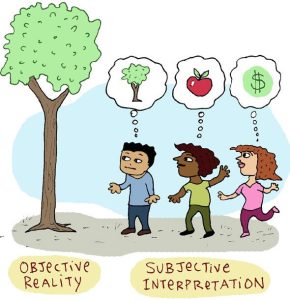
I’ve learned that qualitative education research provides a unique opportunity to explore complex human experiences and perspectives, whereas quantitative research can often be limited to numerical data. While staying objective in qualitative research is essential to ensure the data collected is reliable and valid, subjectivity can also play a vital role in understanding the data fully. Therefore, I believe that a good mix of subjective and objective methods of analysis and interpretation is necessary to conduct successful qualitative research in the education field. This approach can help researchers identify patterns and themes in the data while maintaining objectivity, thus leading to meaningful insights that can inform educational policies and better understand educational practices.