
Understanding the Coding Process & Moving Forward
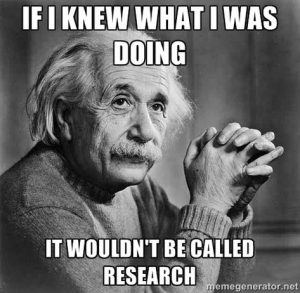
I had never coded research before – I didn’t even know it was a part of researching before we started this project. Any previous research-related work I had done was entirely up to my own discretion, and it was entirely different in that it was more library research of others’ work instead of original research. I would pick the topic and what I wanted to focus on, then find relevant and useful sources to support my argument. Our process, however, looked much different. We were given a set of data (years of research conducted mostly by students no longer at Colby) to work with, then had to sift through it all in search of recurring and potentially important topics. Once all the data had been read for the first time, our group members returned to it to “code.” We decided to focus on the role that language plays in students’ schooling experiences at TES, especially with foreign language policy and practice, inside and outside of the classroom. We made a list of the codes we were going to use, focusing on mentions of language and globalization, then divided up sections of the data among group members to individually code by going through the data for the second time. Although initially I had no idea what I was doing, I eventually got the hang of it and actually enjoyed it. Little did I know, this seemingly tedious aspect of the project was only the beginning, and perhaps one of the easier parts. Although the bulk of the research was completed by other students so I felt somewhat distant from it, and I was unfamiliar with the coding process, I already read the data before the coding process, so I knew what I was working with.
https://www.pinterest.com/pin/383509724499211880/?lp=true
Once we gathered our coded data, we joined heads to choose which two major themes emerged from our coding process and analysis: how English-dominated curriculum and language policies perpetuate western ideologies both inside and outside of the classroom. As we began to collect specific pieces of data and quotes to use for our themes, I began to wonder – are we just picking and choosing what we want to see (with a westernized bias) in order to construct a narrative that fits our findings? Especially at this stage, in many ways, we are doing that; it will be important for us to include some data that opposes what our narrative says. Taking our themes the next step has proved most challenging thus far for me; the school’s culture in relation to language is what it is, but what does that really mean? What are the larger implications of imposing westernized ways of living and learning?
This process of understanding is crucial as we begin to write our research paper. Correlating outside sources and applicable theory with our findings to develop a larger narrative is no doubt a difficult process, but one that will be well worth it.