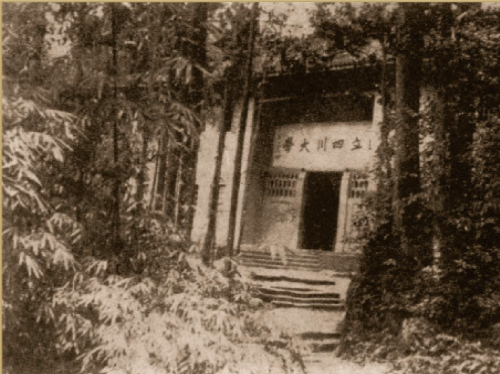
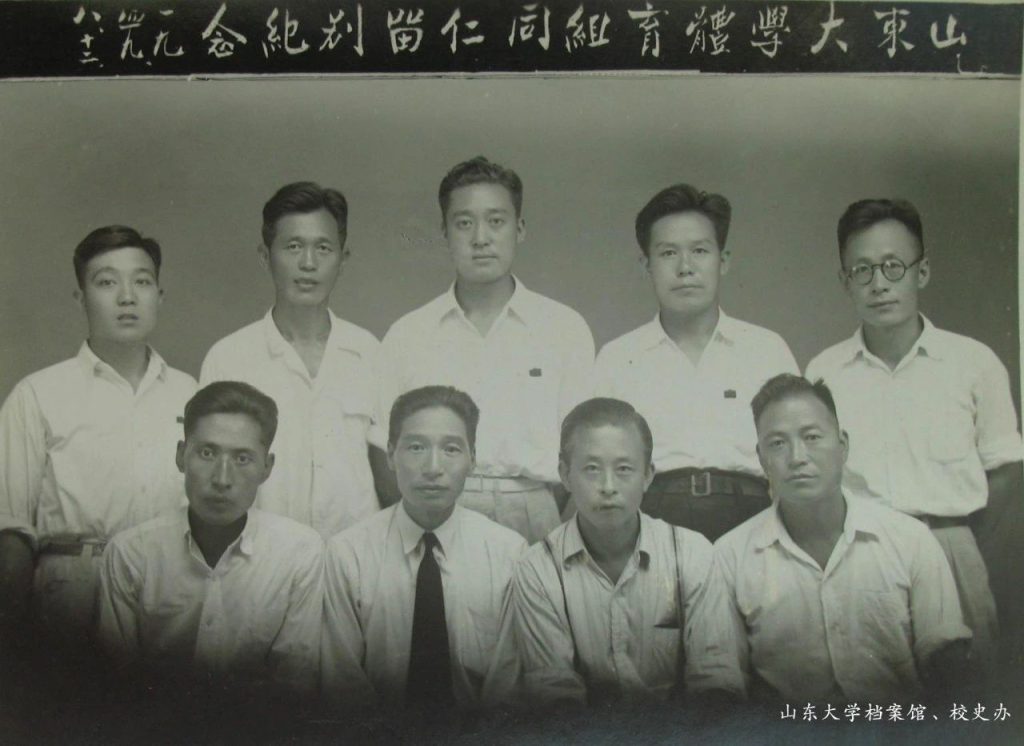
After completing his studies in the United States, Song Chin Foh returned to China in 1923 and first went back to his alma mater, Wayland Academy in Hangchow. Song’s return brought his American training in physical education back to the missionary school environment that had first shaped him. At Wayland, Song was a physical education leader and integrated athletics into Wayland’s educational program.
From Wayland, Song moved into higher education. Beginning in 1926, he served at the University of Shanghai (沪江大学, today’s University of Shanghai for Science and Technology) as professor and director of Physical Education.
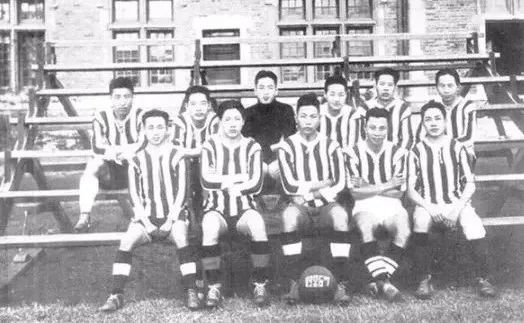
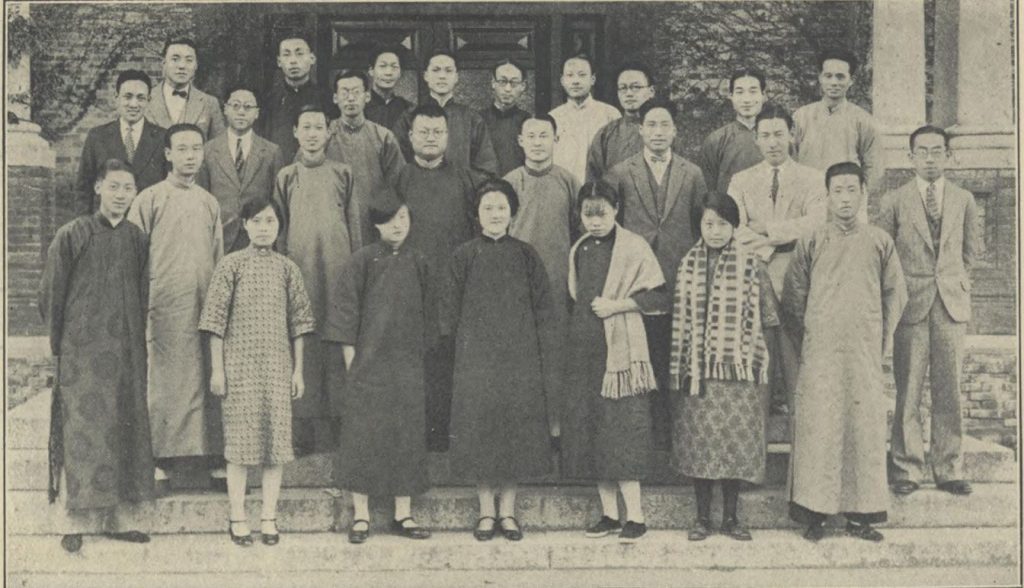
After his work at Wayland Academy and Hujiang University, Song moved to Manchuria, where he served as a professor in the Physical Education department at Northeastern University and as Liu Changchun’s coach, later China’s first Olympic competitor. After the Japanese occupation of Manchuria and the disruption of Northeastern University’s physical education program, Song was invited to National Qingdao University (later National Shandong University, today’s Shandong University).
In September 1932, he formally began teaching as professor of physical education at National Qingdao University (renamed to National Shandong University in this year), and in November 1933, he became director of the university’s Physical Education department. At the time, the university’s athletic facilities were limited, with only a few courts and a small athletic field. Under Song’s leadership, the university added basketball, tennis, and volleyball courts, expanded its track-and-field facilities, and made physical education part of everyday student life through required classes, morning exercises, and extracurricular activities.
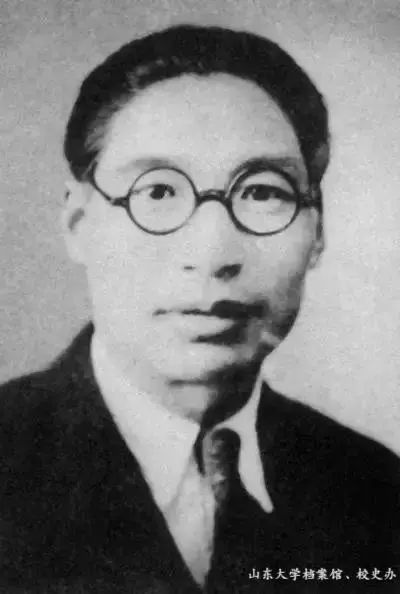
Song’s work at Shandong University shows how physical education became a modern academic and civic project. He argued that physical education was part of education itself, rather than a marginal activity outside the classroom. During his years as director, campus and inter-school competitions became frequent, and university publications reported dozens of events in basketball, soccer, volleyball, tennis, baseball, table tennis, and track and field.
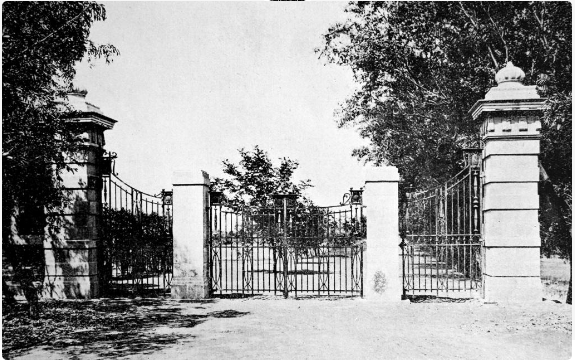
The most visible sign of this transformation was athletic infrastructure. In 1933, Qingdao prepared to host the Seventeenth North China Games. Song, recently returned from the Los Angeles Olympics, joined the planning discussions and showed materials he had brought back from the Los Angeles stadium. Qingdao First Stadium was built in 1933 using the Los Angeles model at roughly one-quarter scale. It included a 400-meter curved track, six lanes on the curves, eight lanes on the straights, a soccer field, courts, stands for about 15,000 spectators, and a monumental north gate. For Song, the Olympic experience was therefore not only something witnessed abroad. It became a model for the development of modern physical culture in China.
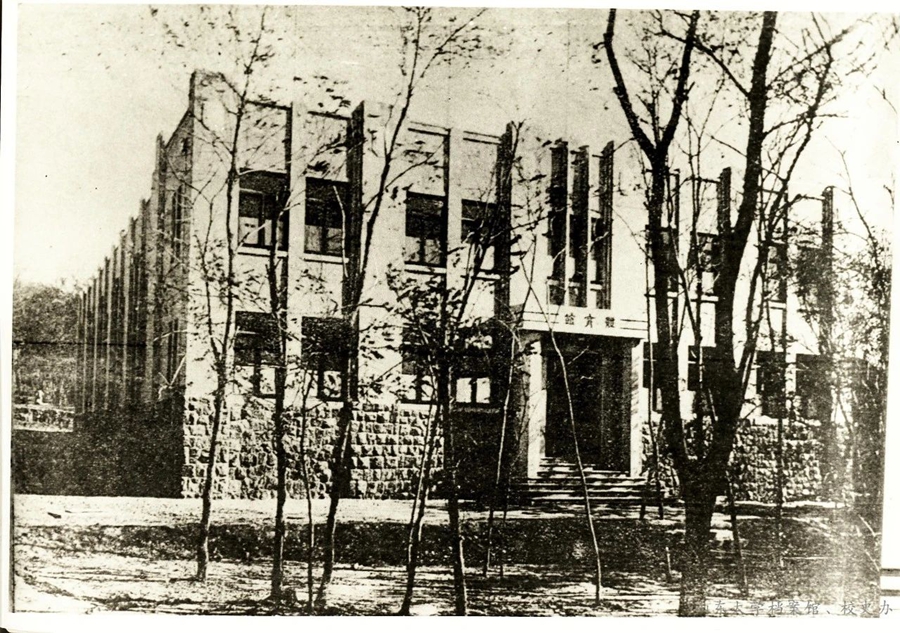
In 1935, Shandong University’s own gymnasium was completed, with space for basketball, volleyball, offices, stands, changing rooms, bathrooms, and training equipment. This facility helped make the university a regional center of physical education. In the summer of 1935, the All-China Sports Association used Shandong University’s athletic facilities as a training camp for athletes preparing for the 1936 Berlin Olympics. A memorial stone now marks the site at the Yushan campus of Ocean University of China.
After the Marco Polo Bridge Incident and the outbreak of full-scale war in 1937, Song followed Shandong University westward into Sichuan. When Shandong University suspended operations, Song entered National Sichuan University (today’s Sichuan University), where he worked for roughly 8 years before leaving in 1946 with the restoration of Shandong University.
At Sichuan University, Song’s ideas about physical education continued under wartime pressure. After the university moved to Emei in 1939 to avoid bombing, athletic space was limited. Song responded by opening small exercise grounds, arranging usable spaces for different colleges, building a simple swimming pool in a mountain stream, organizing martial arts instruction, mountain climbing contests, cross-country races, and a spring athletic meet.