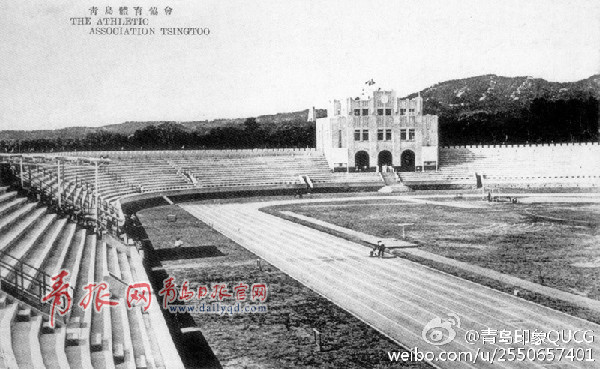
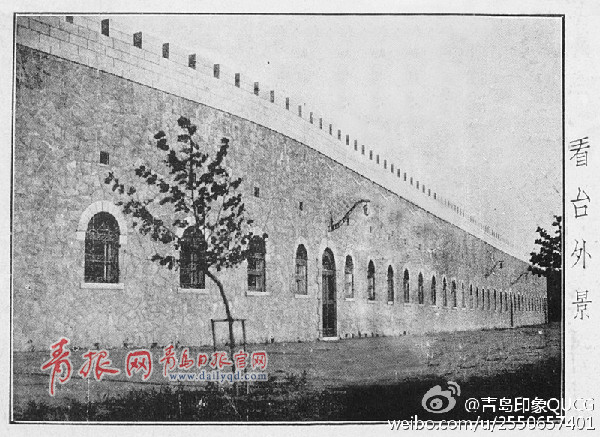
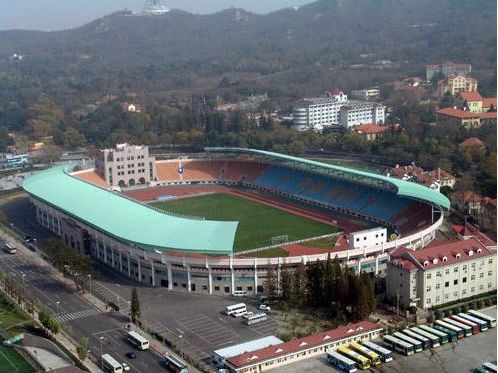
After the 1932 Los Angeles Olympics, Song Chin Foh’s Olympic experience continued to shape his work in China. He returned with visual and technical materials from the Los Angeles stadium, including drawings and photographs that later informed discussions about a new athletic stadium in Qingdao. When Qingdao prepared to host major regional competitions in the early 1930s, these materials helped local planners imagine a modern stadium built for large-scale athletic events. The result was Qingdao First Stadium, completed in 1933, which adapted the Los Angeles Olympic model to local conditions.
The stadium included a football field, track-and-field areas, a standard 400-meter curved track, grandstands for more than 15,000 spectators, athlete rooms, bathing facilities, and separate entrances for athletes and spectators.
After the stadium was completed in July 1933, it immediately became part of Qingdao’s public athletic life. The Seventeenth North China Games, originally expected to be held in Taiyuan, were moved to Qingdao after severe flooding disrupted Taiyuan’s ability to host the event. When the games opened in Qingdao in October 1933, the new stadium provided the city with a large, modern venue for regional competition. Its football field, track, grandstands, athletes’ rooms, baths, and separate entrances for athletes and spectators made it more than just an open field. It was designed as a comprehensive public sports facility, capable of accommodating athletes, spectators, officials, and civic displays within a single space.
After the North China Games, Qingdao First Stadium remained the city’s central sports ground for decades. Its significance did not end with Republican era athletics. After 1949, it continued to serve different levels of sports training, including teams connected to national-level competition, and helped train many athletes and coaches. The stadium also became part of Qingdao’s civic memory: it was remembered as one of the city’s important modern construction projects and as a space that helped support Qingdao’s growing sports culture. In 1991, its role in mass athletics was recognized as one of that year’s major domestic sports news stories by Xinhua and other news organizations.
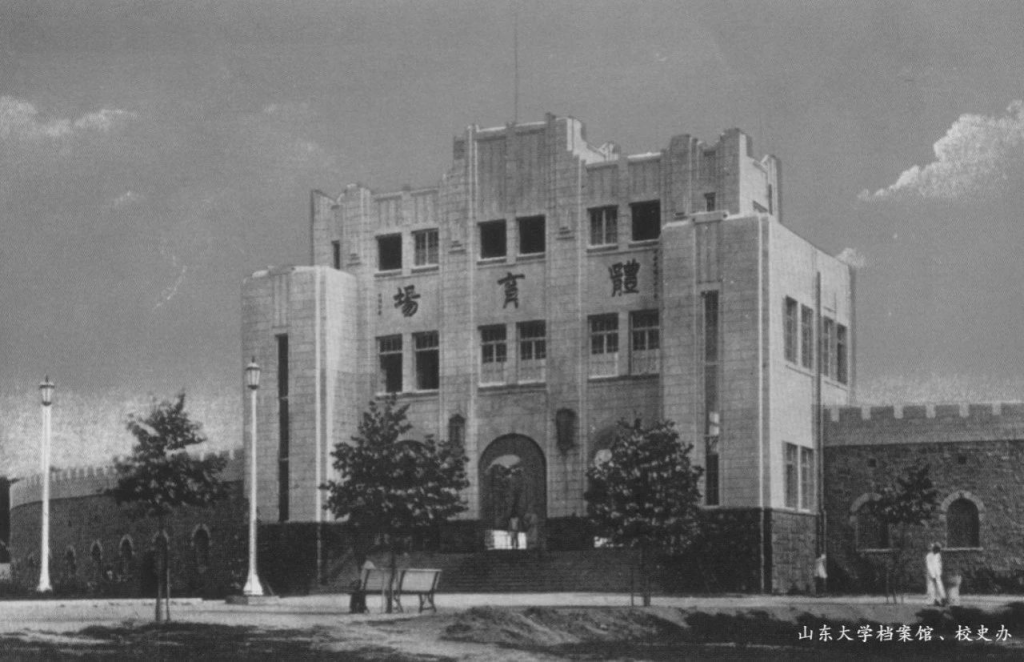
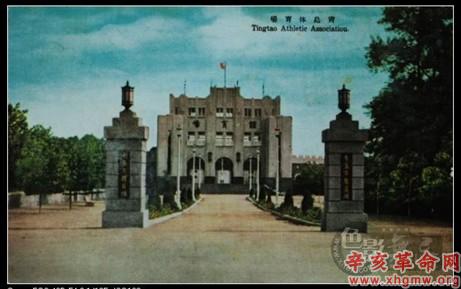
The Qingdao First Stadium (today’s Qingdao Tiantai Stadium), completed in 1933, was modeled on the Los Angeles Olympic Stadium after Song returned from the 1932 Olympics with Drawings, photographs, and technical materials. Built for the Seventeenth North China Games, the stadium became one of the leading athletic facilities in Republican China. Shandong University Archive.