
Sports: How athletics in elite school benefit students and develop capitol.
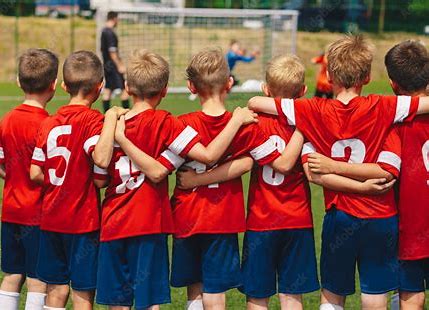
Today’s society gives status to people who score goals in soccer games, run fast on the track, or win the most tennis matches. In effect, our world is defined by excellence and a need for people to “be the best” as a result of physical talent and skill. According to the University of San Diego, there are mental and physical health benefits to participating in sports (University of San Diego, 2023). However, I would argue that through my research on Everdeen Academy, social benefits come along with being an athlete, particularly at elite schools. Everdeen Academy places a significant emphasis on the importance of physical education for all of its students. Their school policy of making sure all students participate in athletics made me think about how physical health and athletic ability are a form of capital.
If children excel at sports, then children at Everdeen are rewarded. One student from Everdeen shared how Everdeen has general excellence scholarships, which are based on the student’s academic performance and their sports performance. By rewarding athletic performance through scholarships, students not only learn to associate excellence with athletic performance, but they also associate money with being something they should want to desire. Not to mention, these students are particularly elite students who come from high-income families and do not necessarily need the scholarships, but they are taught to appreciate the pursuit of money, which is in itself an elitist concept that reinforces both elitism but also ideologies related to wealth and status.
Through reflection, Everdeen’s sports requirement for their students has made me think about how another way that physical capital can reinforce generational class disparities can be through the soft skills students develop in sports. Teams foster community and the development of soft skills relevant to careers, such as teamwork, resilience, perseverance, and communication. By requiring students to participate in sports, the school not only recognizes and encourages the value of teamwork and physical hard work, but the students learn how to follow rules, communicate, and act for others over themselves on their teams. These daily practices are also inherent skills needed in powerful, high-income jobs in the real world. Reinforcing the practice of teamwork at Everdeen is an example of how sports perpetuate elitism and wealthy ideologies in their students that non-elite institutions do not have.