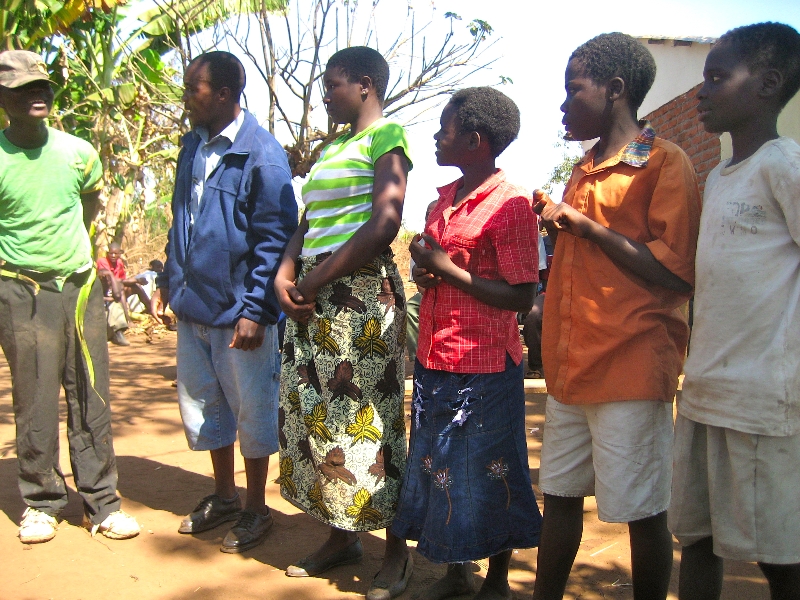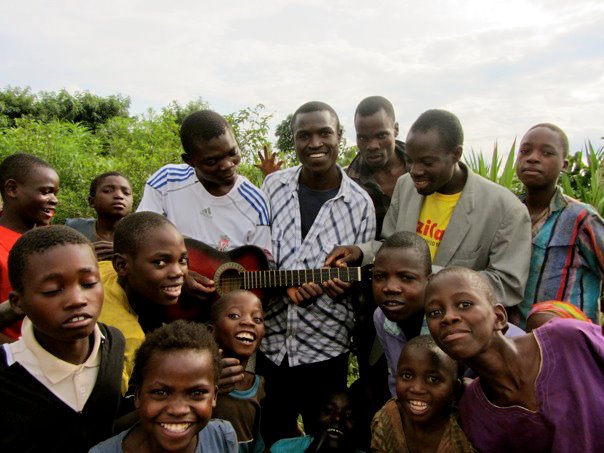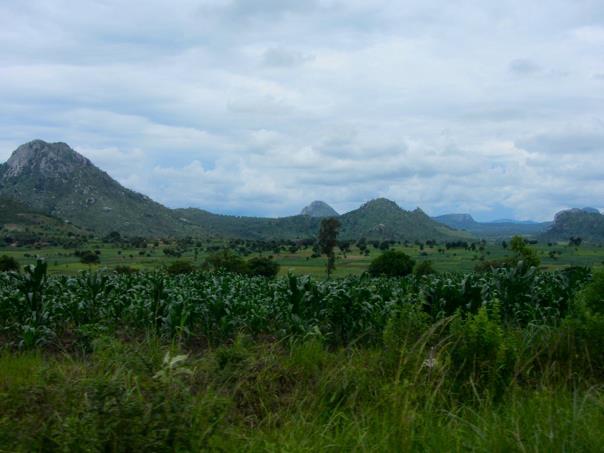

Children in Wimbe, Malawi
Malawi’s Ministry of Health is responsible for the health of the nation. With only .02 physicians per 1,000 citizens, Malawi has the fourth worst physician to patient ratio in the world (Central Intelligence Agency, 2012). Hospitals in Malawi are often understaffed and undersupplied, leading to poor treatment and insufficient drugs for those in need. Furthermore Volunteer Service Overseas (2001) reported that 87% of Malawi’s population lived in rural areas with difficult access to health facilities and that almost 90% of that population depended on small farms to sustain themselves and their families. The organization found that these small-farm holders had few productive assets, little education, high rates of malnourishment, and poor general health.
Although noncommunicable diseases are on the rise in Malawi, communicable diseases still cause the majority of deaths in Malawi. Combined with poor sanitation, limited access to medical facilities, and low educational levels, HIV/AIDS, malaria, and tuberculosis are incredibly prevalent in this sub-Saharan nation.
Public Health and Structural Forces
There are a number of factors that contribute to poor health in Malawi including poor government financing, the medical “brain drain,” inaccessible health facilities for the nation’s rural population, the effects and legacy of colonialism, over-reliance on maize and malnutrition, food shortages, lack of antenatal care, and poor health education in primary schools.
There are also a number of positive aspects of Malawi’s health care system including the Baylor International Pediatric AIDS Initiative which provides top-of-the-line care to expecting mothers and their children in Lilongwe, a new President who puts womens health at the forefront of her decisions, a strong presence of non-governmental organizations working in health education and service, as well as an internationally recognized campaign to increase the safety of blood transfusions.
Malaria
Malaria is one of Malawi’s biggest health concerns, accounting for 18% of all hospital deaths (Luna and Banda, 2006). Malaria is the second leading cause of death in sub-Saharan Africa (after HIV/AIDS) and the fifth worldwide (after respiratory infections, HIV/AIDS, diarrheal diseases, and tuberculosis) (Centers for Disease Control and Prevention, 2010). Mosquitos carry the malaria virus and infect people with the saliva transmitted in a bite. Symptoms of malaria include high fever, chills, and death. In addition to causing much pain for the infected individual, malaria can decrease a community’s productivity by temporarily removing infected people and their caretakers from the workforce.
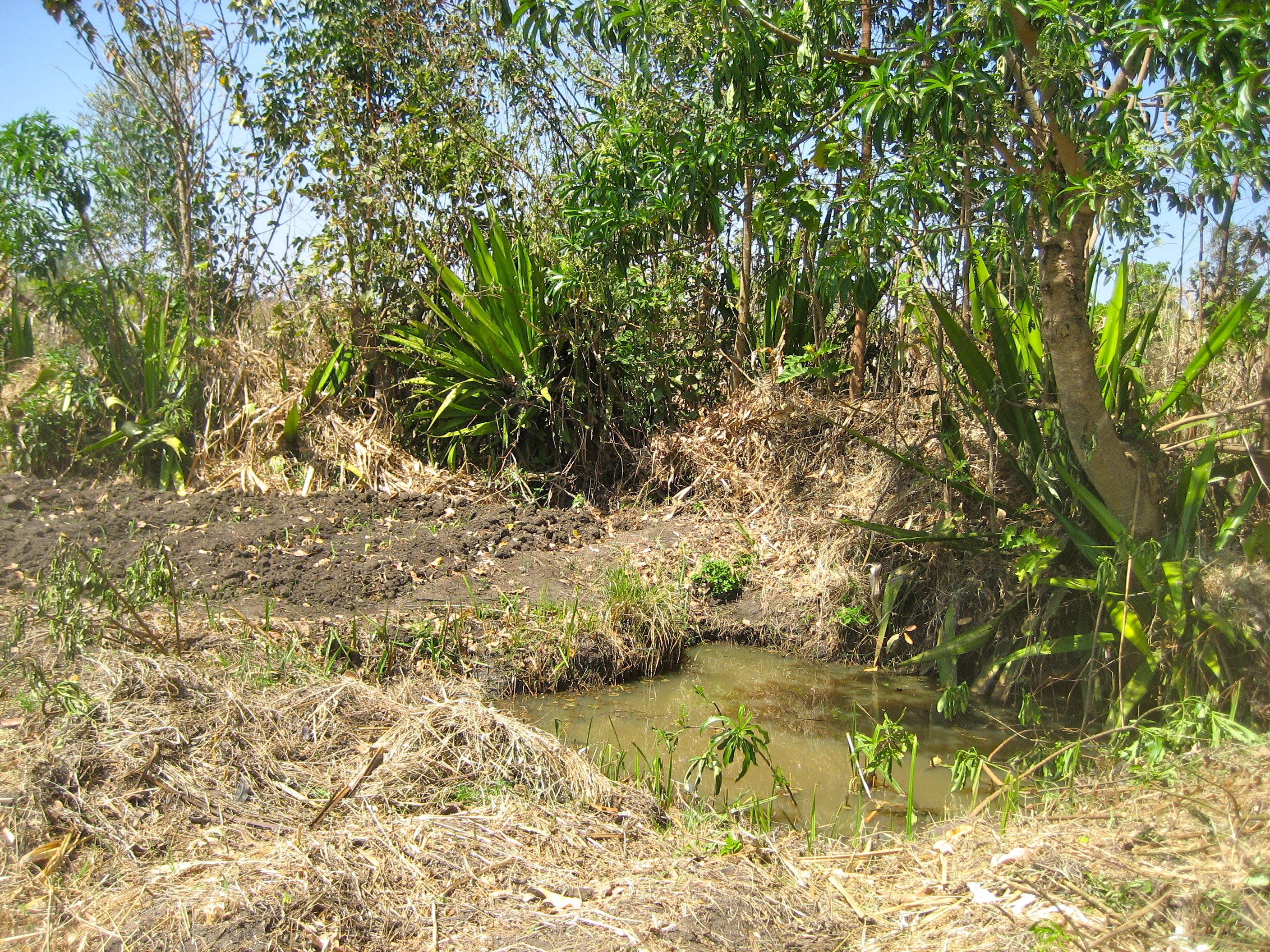
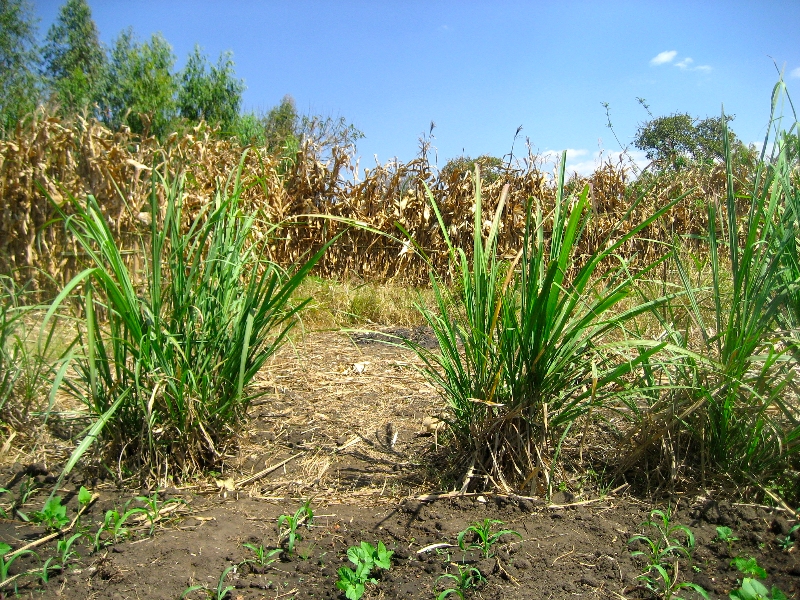
An underground water source used for irrigation
Although malaria is mostly preventable through the use of bed-nets, wearing long-sleeved clothing, applying bug repellant, and reducing nearby standing water (see left), the dangerous disease can easily and quickly spread through populations that do not have access to these resources.
Malaria is a treatable disease when reported in time and properly dealt with. Due to a lack of government health clinics and the distance between many of Malawi’s rural villages and the nearest health facility, malaria kills many individuals who become infected. These are unnecessary deaths that are a direct result of a lack of infrastructure and proper financial support from Malawi’s urban centers.
HIV/AIDS
HIV/AIDS stands for Human Immunodeficiency Virus/Acquired Immune Deficiency Syndrome. HIV is a sexually transmitted infection that has no cure. HIV attacks the host’s immune system, leaving the person vulnerable to other infections. According to AVERT (2012), a leader in the world of HIV/AIDS prevention and treatment, AIDS is the leading cause of death among Malawi’s youth and is a major contributing factor to Malawi’s incredibly low life expectancy of 52.31 years. 14% of Malawi’s total population has HIV, the ninth highest adult prevalence rate in the world. Although individuals who seek and take treatment regularly can live long and productive lives, Malawi often faces shortages of the anti-retroviral drugs (ARVs) that can prolong and improve the lives of those infected with HIV/AIDS.
AIDS is highly stigmatized in Malawi because it is often associated with prostitution and extramarital sex. As a result, prevention methods such as condoms and treatment in the form of ARVs are also stigmatized. This contributes to a culture of secrecy that sometimes discourages individuals from getting tested for HIV and other sexually transmitted infections. When adults do not know their own status, they are less likely to protect themselves and others from further transmission and the disease is able to spread unchecked.
HIV can also be passed from an infected mother to her child during pregnancy, childbirth, or while breastfeeding. ARVs can be used to prevent this form of transmission, although poor prenatal education and drug shortages make this more difficult.
Tuberculosis
In 2009, the World Health Organization reported over 48,000 new cases of tuberculosis (TB) in Malawi. Tuberculosis, an airborne bacteria that can cause death, significantly inhibits Malawi’s economy by restricting those who are infected to bed. Symptoms of TB include bad cough, chest pain, chills, fever, night seats, weight loss, and a loss of appetite. When one is infected with AIDS, TB can often cause death by attacking the weakened immune system.
What’s Needed
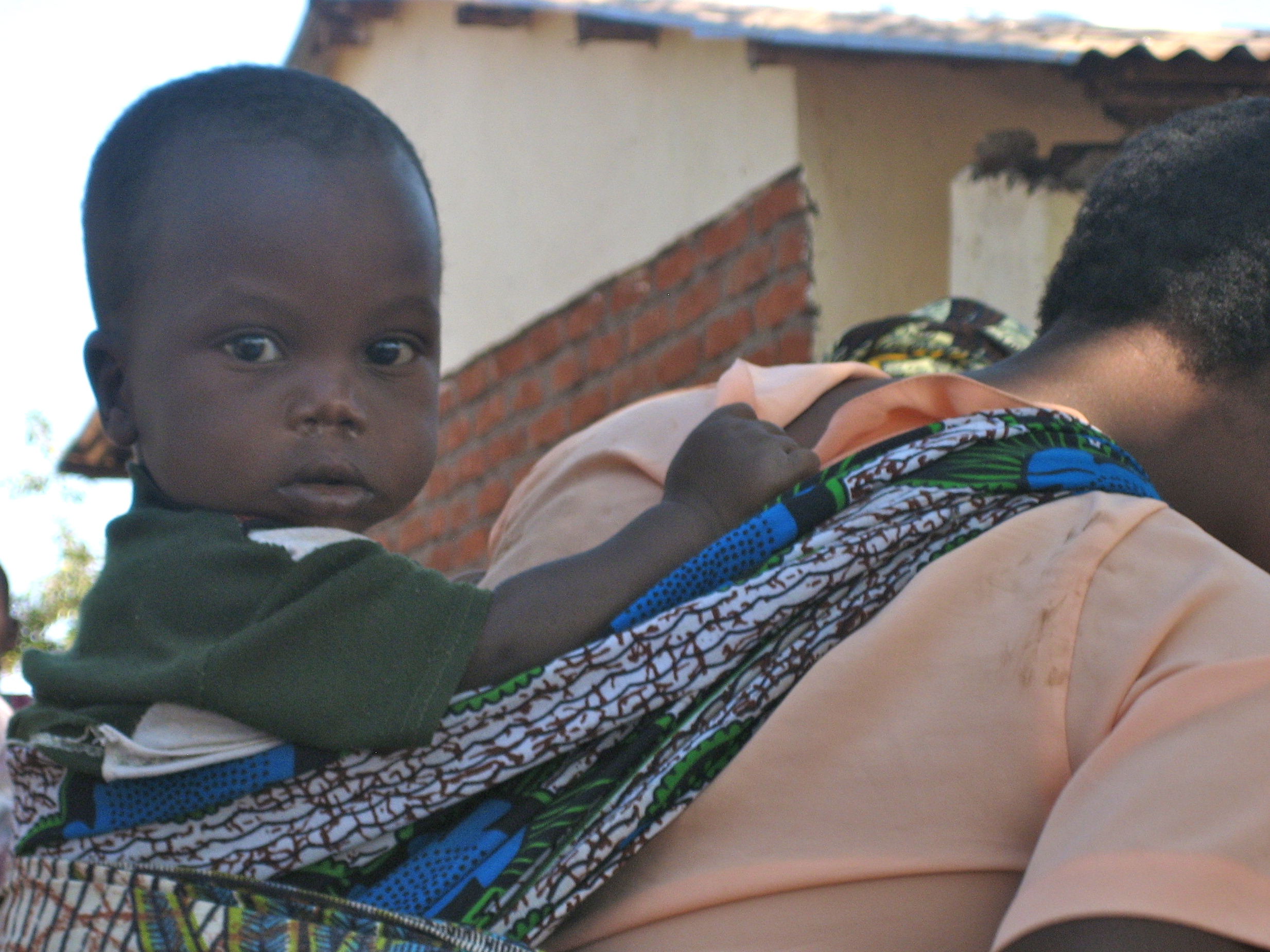
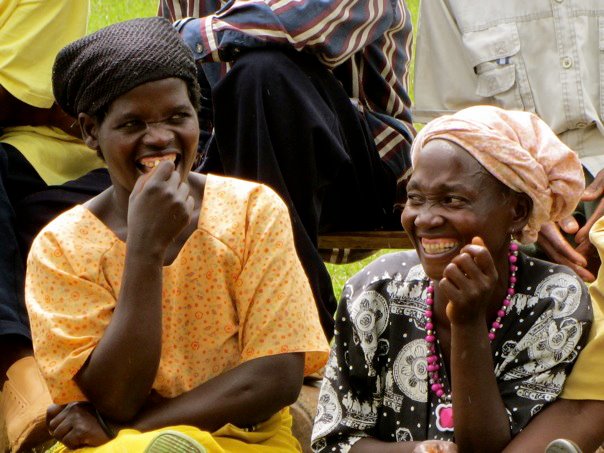
A baby holds on tight as his mother sings and dances at Chadika
Significant improvements to Malawi’s medical infrastructure is necessary to reduce the needless suffering of preventable and treatable illnesses. All of Malawi’s citizens must have access to medical facilities for timely intervention in preventable yet deadly diseases. Health education needs to be improved so individuals know how to correctly deal with common illnesses such as the flu and diarrhea. Models for improving education should be based in local realities; foreign doctors cannot just enter a classroom and lecture. Insetad, local initiatives must be supported and respected community leaders must be trained and then adequately compensated as they work within their community.
Yet international intervention is not adequate and will not be sufficient. Traditional healers are a legitimate and large part of Malawian society that must be considered. International partnerships must be informed to empower traditional healers to serve those in their communities in safe ways in terms of sanitation and medical recommendations. Community health workers such as midwives should not be discouraged or disempowered but rather trained on basic sanitation and signs of complicated births so they can offer the best care possible and refer pregnancies to hospitals if there are complications.