In 2011, Malawi exported $921.9 million but imported $1.694 billion (Central Intelligence Agency, 2012). This discrepancy indicates that Malawi’s industries do not support the country but that Malawi relies on outside imports to sustain life.
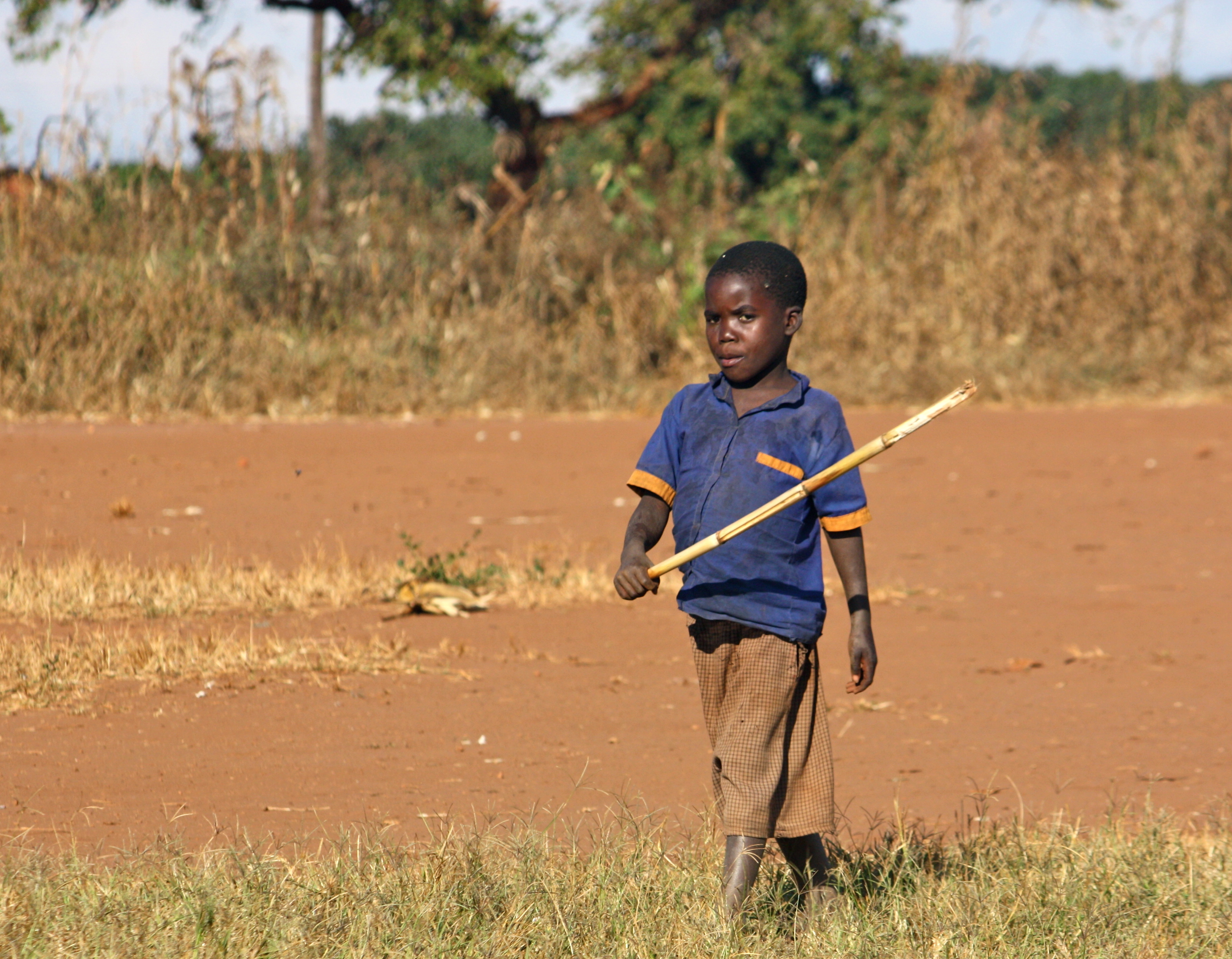
A young boy on his school grounds
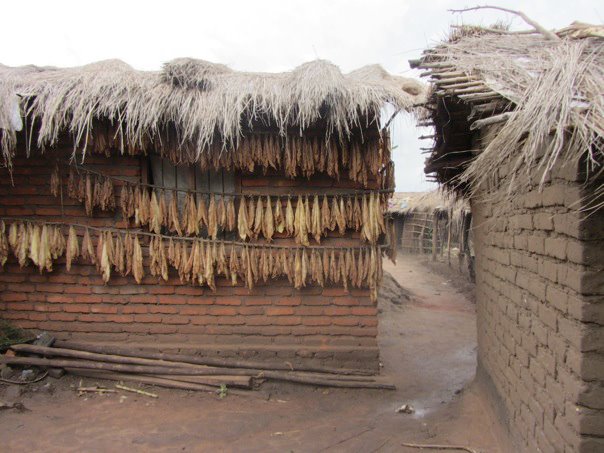
Tobacco, Malawi’s main cash crop, comprises 53% of Malawi’s export commodities, accompanied by tea, sugar, coffee, cotton, peanuts, and wood products (Central Intelligence Agency, 2012). The main imports include food products, fuel, consumer goods, and semi-manufactured goods.
In recent years, Malawi’s economy has slowed its impressive growth, arguably as a result of poor political rule. The late President Bingu wa Mutharika found himself in a diplomatic argument with major donors, including the United Kingdom, who cut off all foreign aid. As a result, Malawi lost 40% of its income in a matter of days. Furthermore, President Bingu chose not to follow World Bank and International Monetary Fund recommendations to devalue the Malawian kwacha, inspiring international accusations of poor governance and the withdrawal of additional donor nations. As a result, Malawians have faced extreme fuel and forex shortages which have led to dramatically increased price of living without equivalent increases in pay.