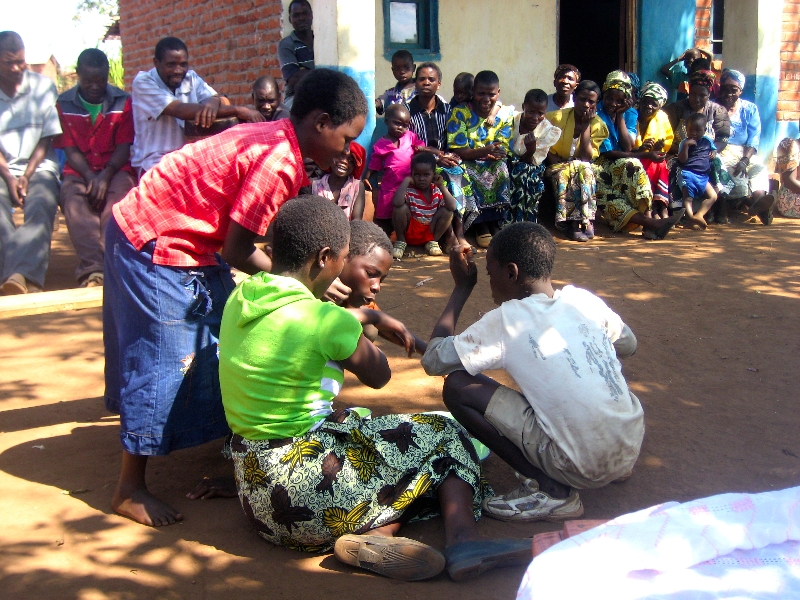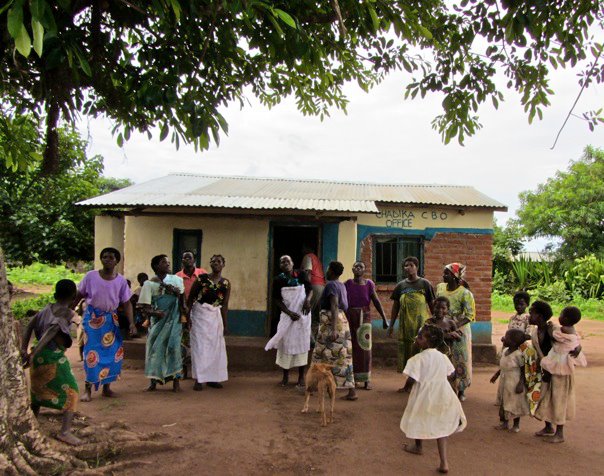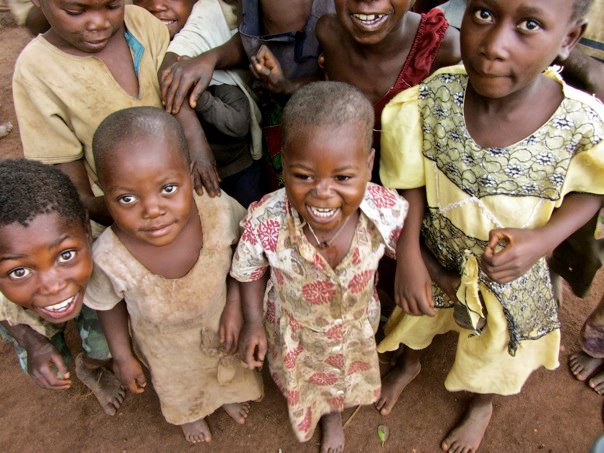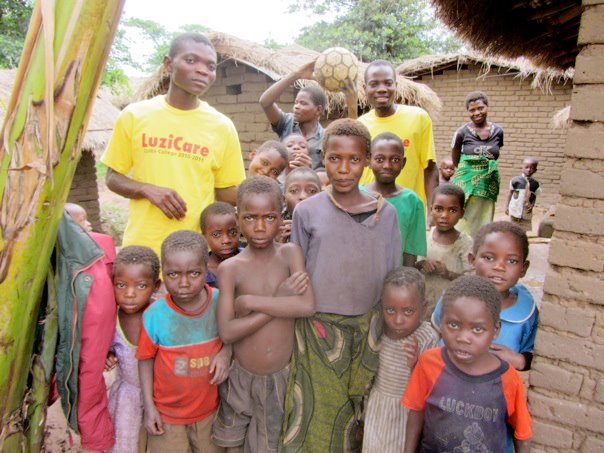

Children pounding maize into ufa (corn flour) to make nsima
Leading up to the 9th century, people of the Twa and Fulani tribes lived in present-day Malawi. In the 10th century, Bantu-speaking people from the north took over the region and have remained in Malawi until today. Around 1600, Portugese traders arrived and the slave trade dramatically increased along the Indian Ocean.
In 1859 Dr. David Livingstone discovered Lake Malawi and led the way for future missionaries. In 1891 Britain officially established Nyasaland as a British territory and set up a very small government. Under very difficult political and social conditions, Malawians typically worked on coffee plantations owned by British expatriates.

Reverend John Chilembwe
In 1915, Reverend John Chilembwe led a revolt against British rule, killing the white managers of a particularly harsh estate. He was revered as a national hero but killed a few days later by British forces. Today, he is featured on the 500 kwacha banknote.
Years later in 1944, Malawians established the Nyasaland African Conference, a political party which Dr. Hastings Kamuzu Banda took over in 1958, after returning from studying and working in the UK and US. After violent clashes and the arrest of many pro-independence Malawians, Dr. Banda was allowed to travel to London to negotiate independence with the British government.
Malawi finally gained its independence on July 6, 1964, and exactly two years later, Dr. Banda was elected President of the Republic of Malawi.
A full timeline of major events in Malawi leading up to independence was compiled by BBC News and can be found here.