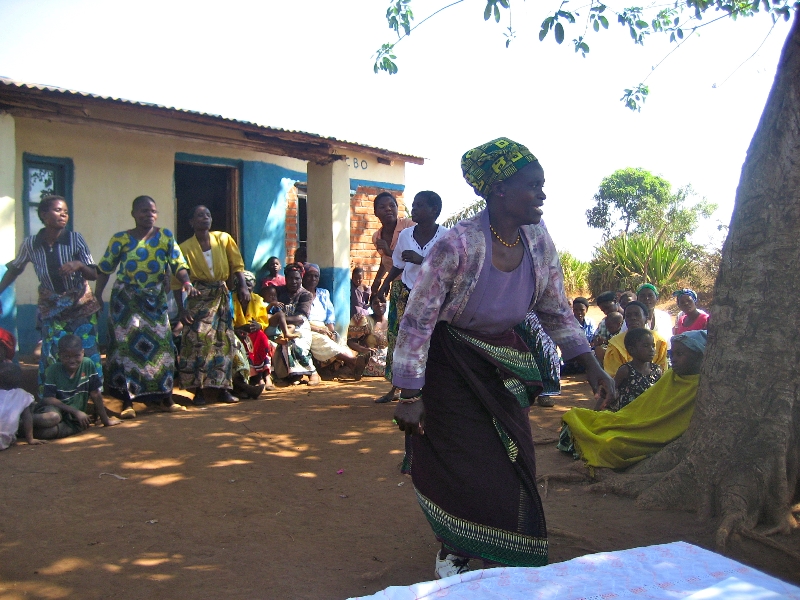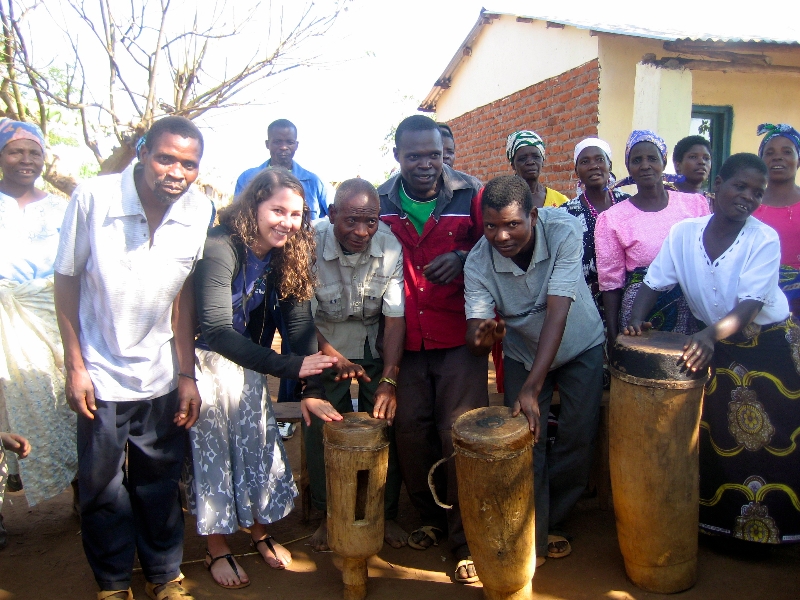
 With a population of over 16 million people and slightly less land area than Pennsylvania, Malawi is one of the most densely populated nations in Africa. Malawi is fondly referred to as the Warm Heart of Africa because the people are welcoming, peaceful, and hospitable.
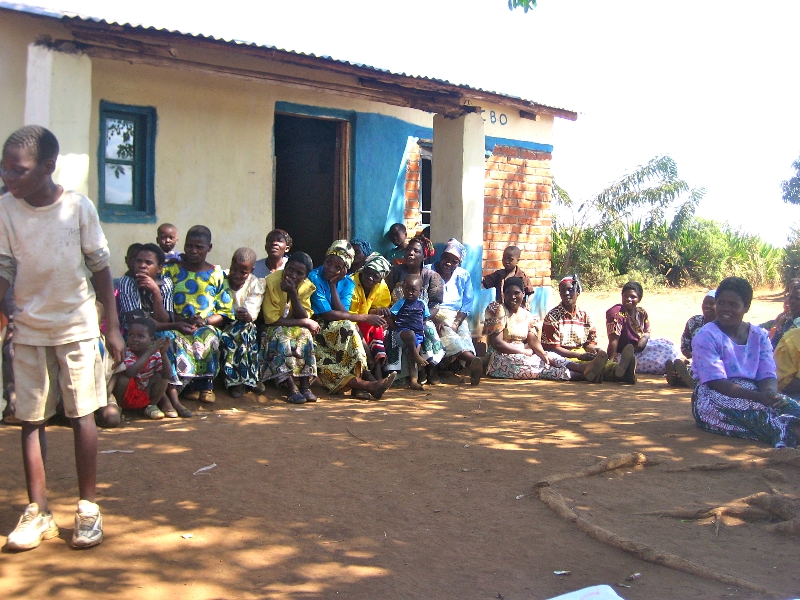
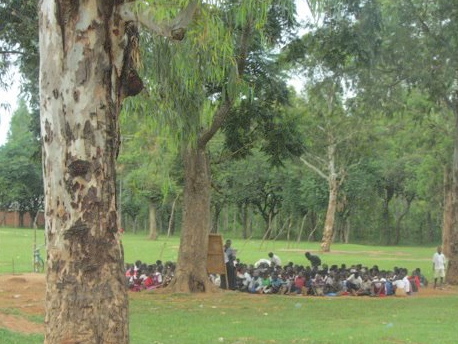
The dominant ethnicity is Chewa with minority populations of Yao, Ngoni, Lomwe, Tumbuka, Nyanja, Sena, among others. The different groups are united in that English is the dominant national language, and is the only language used in schools beginning in standard 5 (equivalent of 5th grade) and is used in all political arenas. Chichewa is Malawi’s second national language and is spoken fluently by all as it is taught in standards 1 to 5 and used in the majority of homes.
Malawi’s population is young: 45.1% of the population is between the ages of 0 and 14, 52.2% of the population is between 15-64, and only 2.7% of the population is 65 or over (Central Intelligence Agency, 2012). Malawi also has the 17th fastest growing population in the world at 2.758% annually.
Malawi ranks poorly in terms of infant mortality rate; it has the 10th highest rate in the world with 79.02 infant deaths for every 1,000 live births (Central Intelligence Agency, 2012) and the life expectancy at birth is an incredibly low 52.31 years. This is mainly attributed to the high prevalence of poverty and AIDS (see Health for more information).
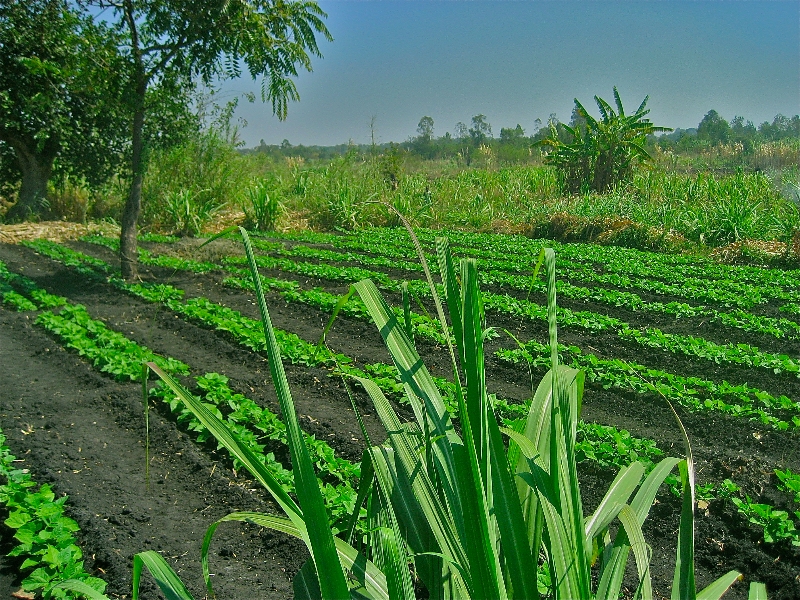
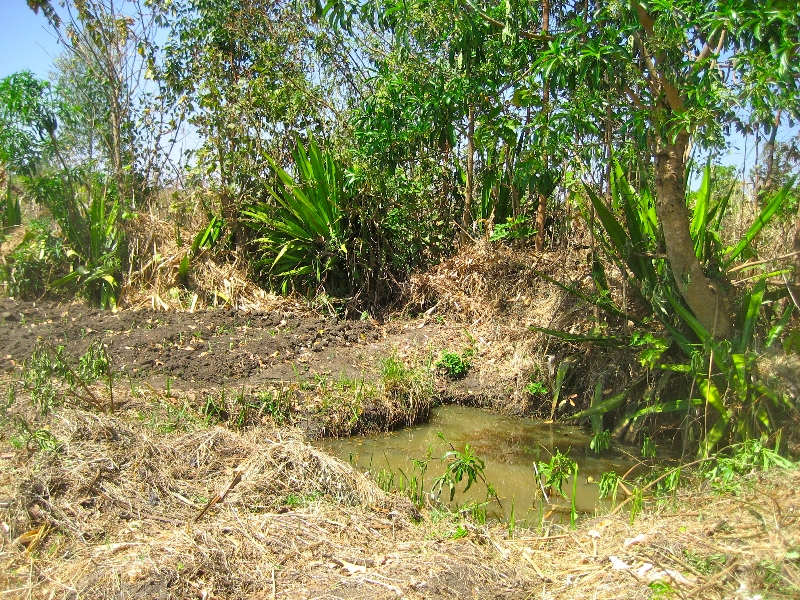
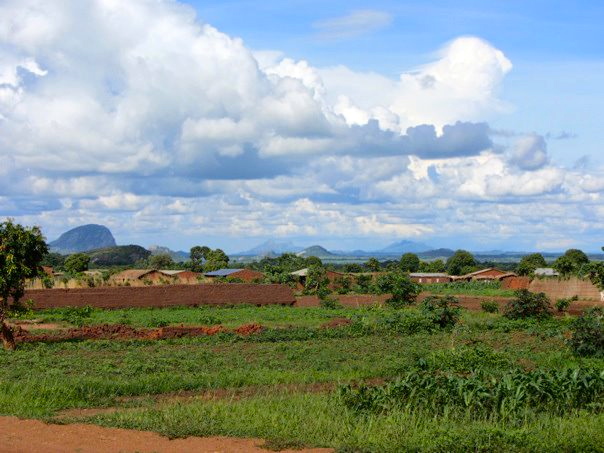
80% of Malawi’s population lives in rural areas (Central Intelligence Agency, 2012) where the main source of income is farming. The farming seasons are driven by the temporal seasons: wet and warm from December to March, dry and cool from July to August, and hot and dry from October to November. During January internships, Malawi will feature green rolling hills with meandering streams, fed by the daily rains.
Malawi’s large youth population and dependence on the informal economy for survival has contributed to Malawi’s high rate of unemployment in the formal sector.There are too many people of working age and such large rural populations that the formal work force is quite small. Furthermore, with such high infant mortality rates, birth rates and desired family size remain high.
To learn more about any of the following topics, click on each:
Malawi’s History, to Independence
Politics from Independence to Today
Health
Economy
Education
Further Reading