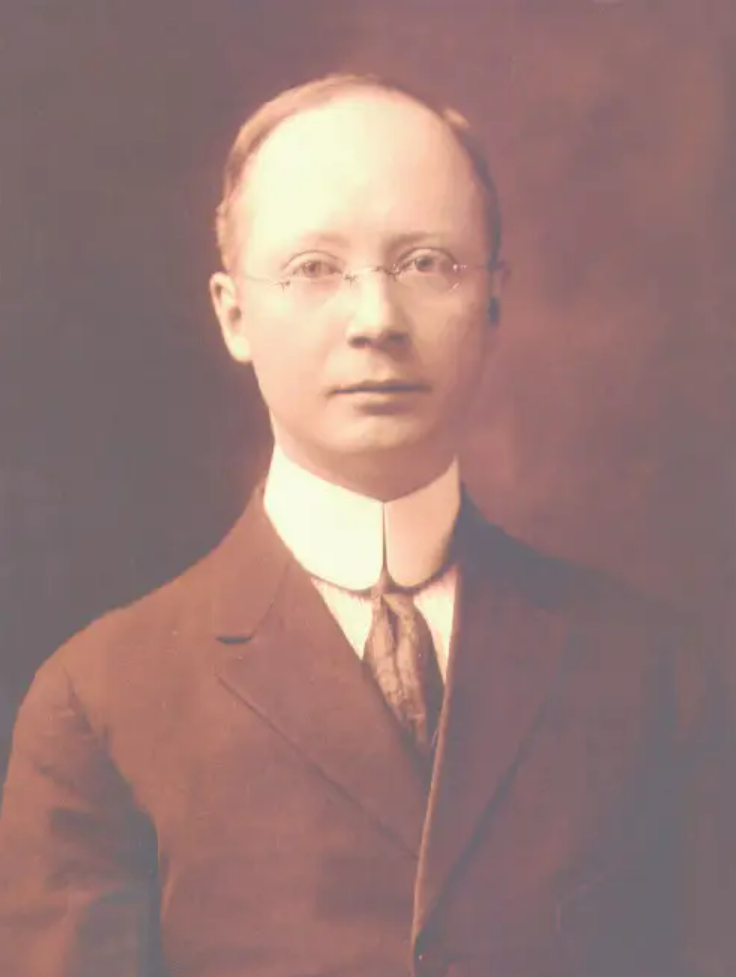
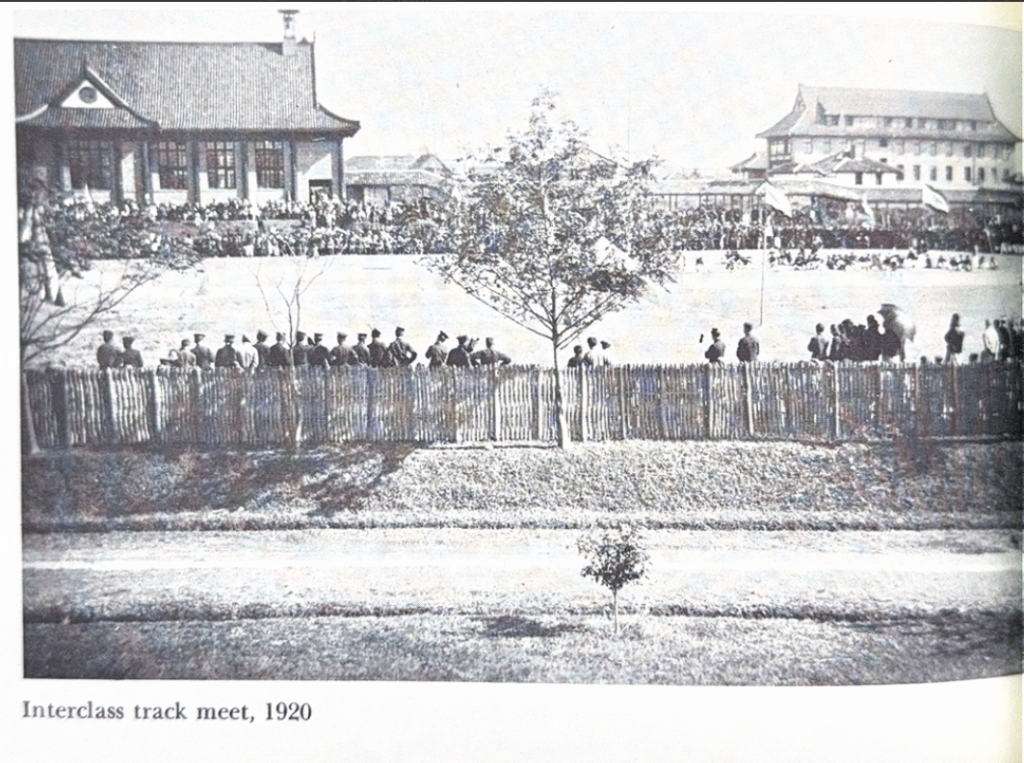
Horace Pitkin was a young missionary from Yale College, class of 1892, who was killed during the Boxer Rebellion. Several of his classmates were determined to make up for his sacrifice. By 1902, they had raised over $17,000, and the Yale Foreign Missionary Society was officially established, from which Yale-in-China later emerged. The organizers of the missionary group ultimately chose Changsha, the capital of Hunan Province, as their base of operations which was known for its hostility to outsiders, instead of larger cities like Beijing or Shanghai, which were relatively more convenient and where missionaries and Western schools had barely gained partial acceptance among the Chinese. In June 1903, the Hunan Missionary Conference passed a resolution to carry out educational and medical work in Changsha.
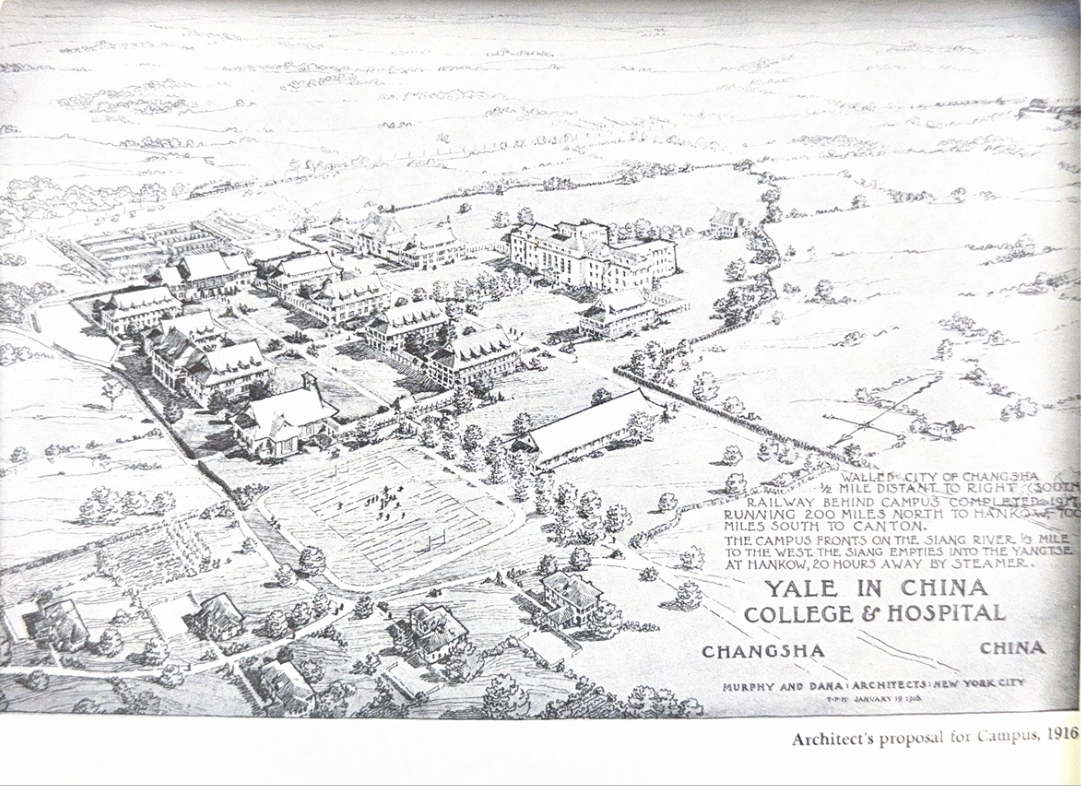
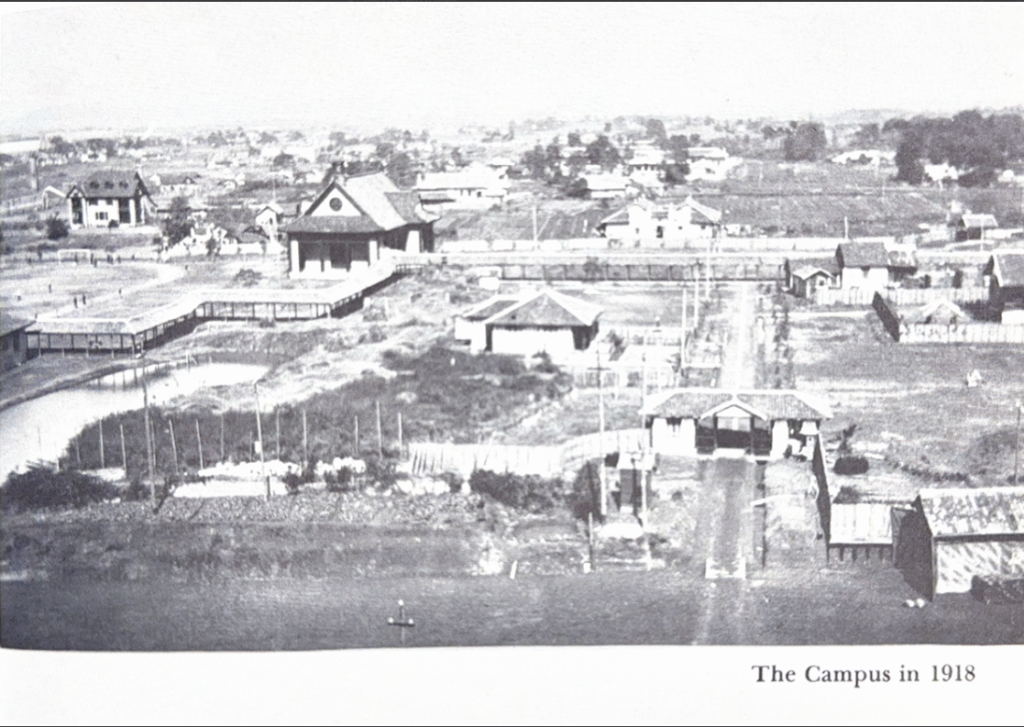
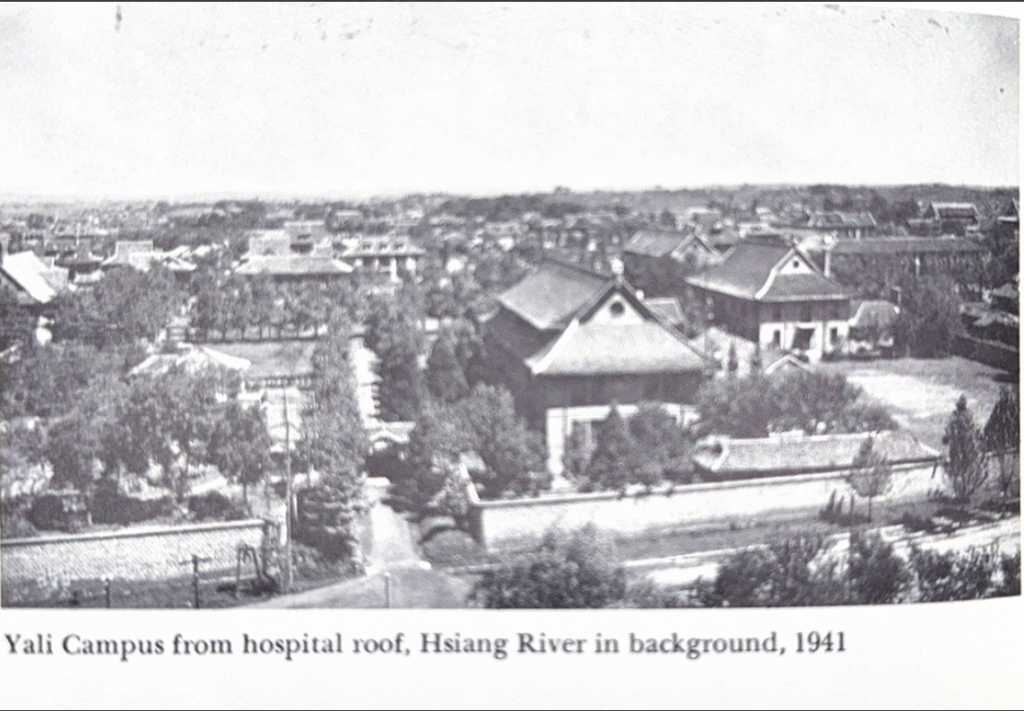
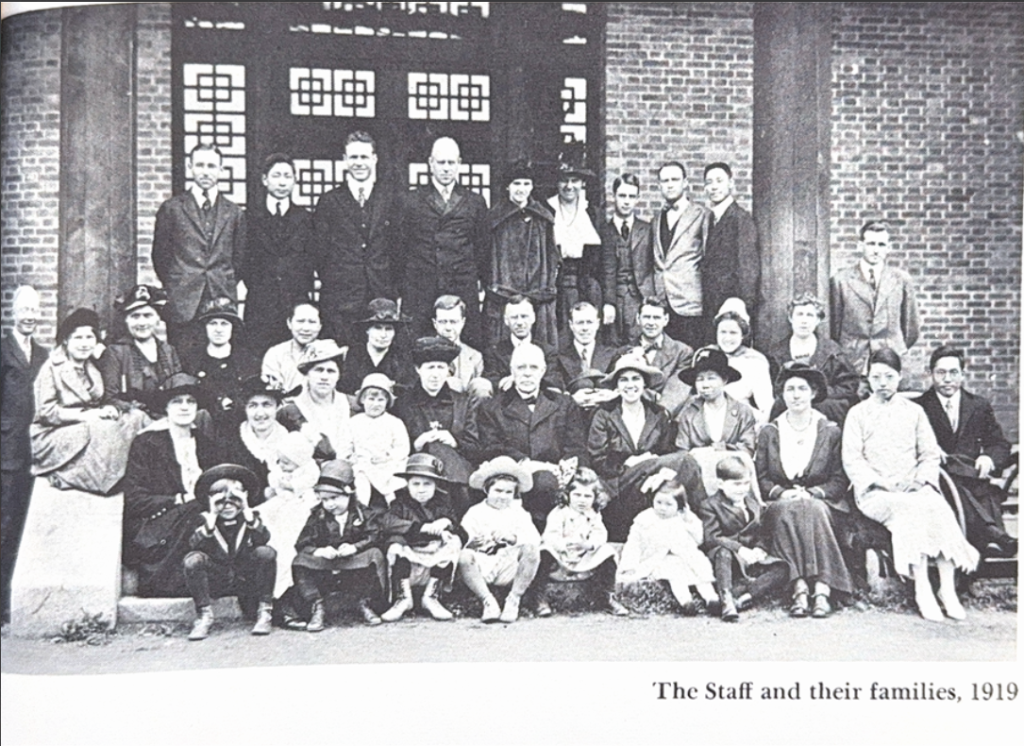
The first members of the Yale mission arrived in Changsha in 1904. In 1906, they founded Yale Middle School (雅礼中学) as a preparatory school for the planned Yale-in-China College. At the same time, the Yale mission also began preparations for a hospital and a medical school. They invited Edward Hume to take charge of this work.
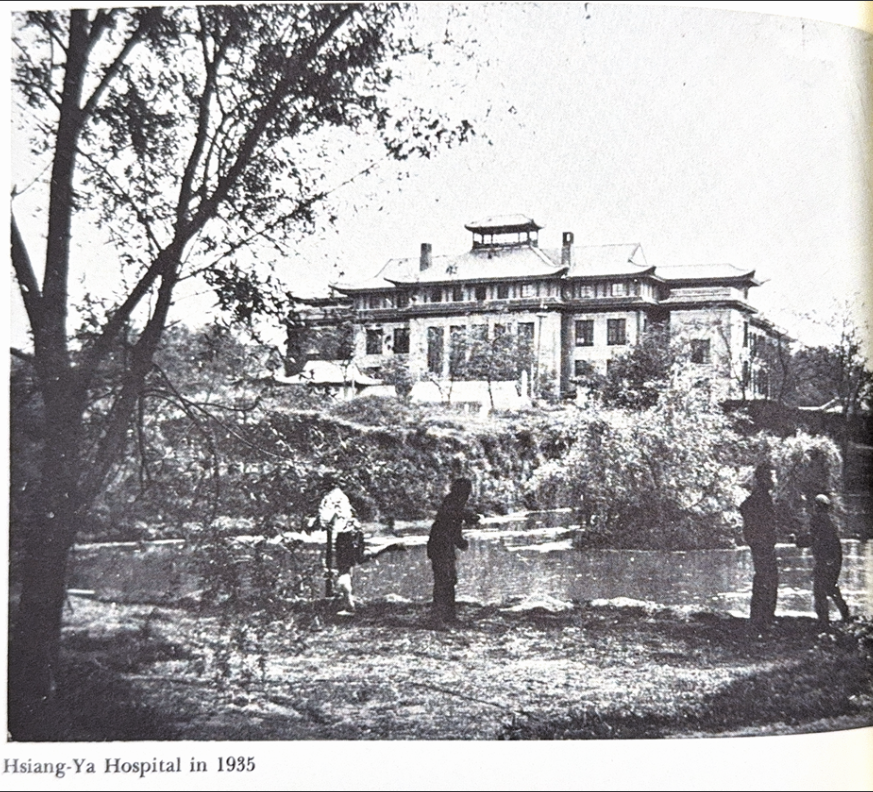
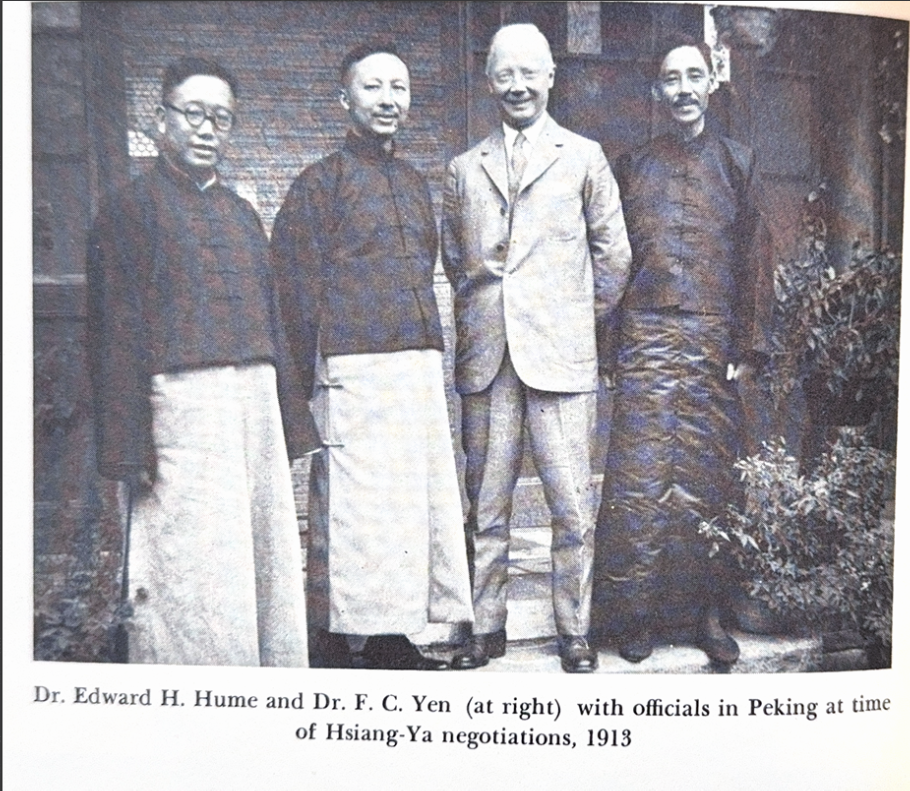
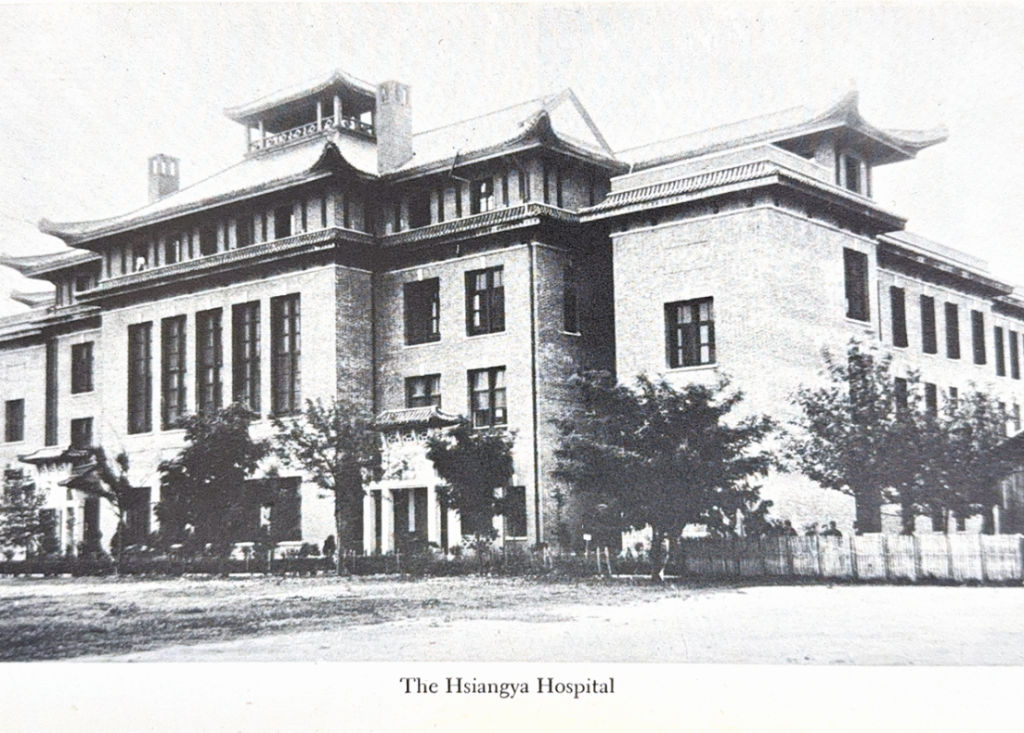
Hume arrived in China in 1905, and Yali Court of Medicine (雅礼医院) opened in November 1906. It gradually grew in the following years. However, with the 1911 Revolution, to prevent students from impacting the hospital, Hume decided to merge with the Chinese to establish a new medical college. The name chosen for the new medical school and hospital symbolized the new harmony: the literary name for the province of Hunan “Hsiang” (湘) was combined with the frst syllable of Yali to give the word “Hsiang-ya”(湘雅), which finally become “Hsiang-Ya Medical College” (湘雅医学院).
Source from: Spence, J. D. (1969). Edward Hume: Yale for China. In J. D. Spence, To change China: Western advisers in China (pp. 162–183).
Sourcce from: Yale-in-China The Mainland, Hodlen, Reuben, 1964 & Doctors East Doctors West, Edward H Hume, 1946