In a tribute to their past, South End neighbors and supporters come together for a recycled fashion Trashion Show to benefit urban cleanup and instill neighborhood pride.


What is it?
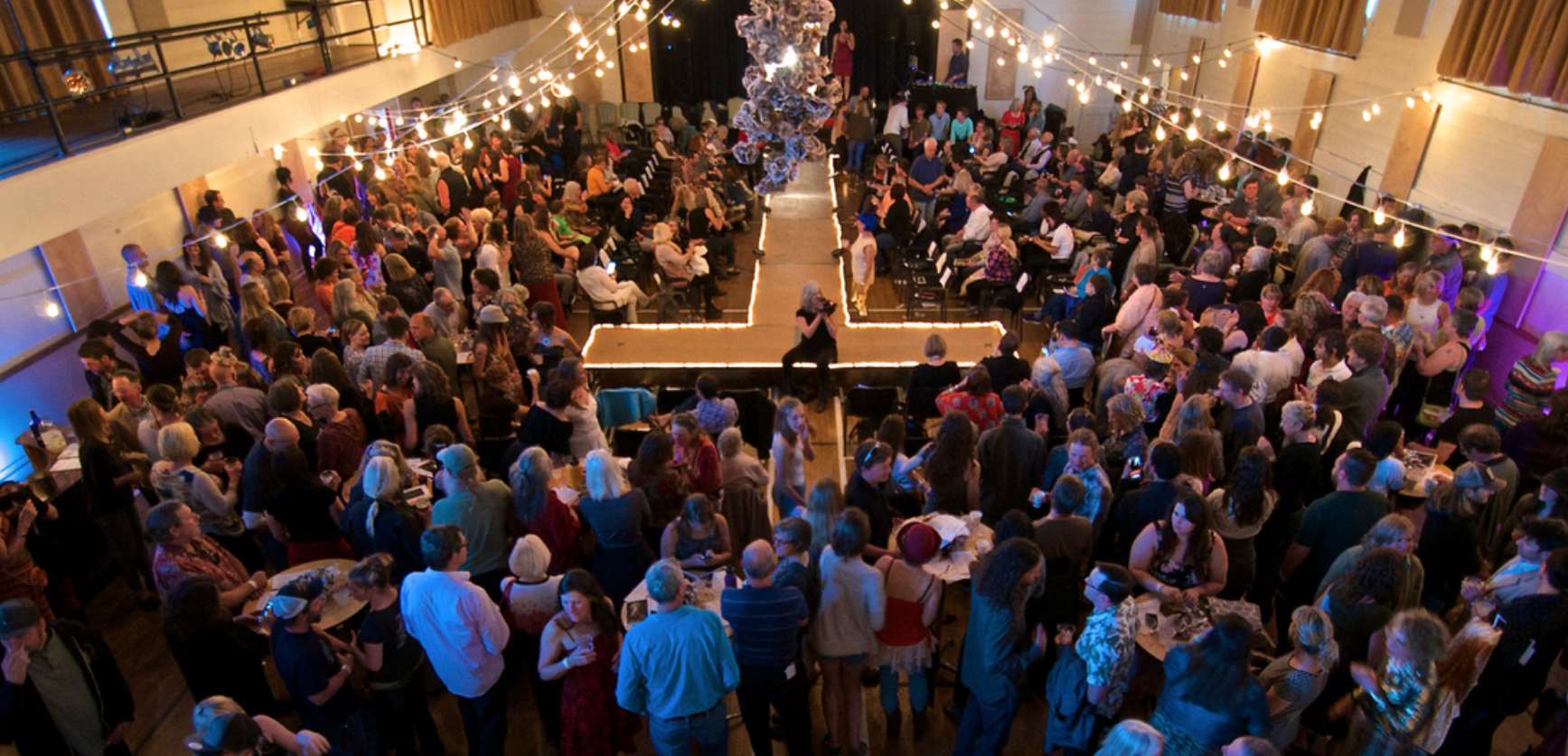
An annual runway showcase of outfits fabricated by community members from found, recycled, or discarded materials. The possibilities for materials are endless, and anyone can be a designer. Cash prizes are awarded to the most riveting designs by a community vote. The Trashion Show challenges those involved to use creativity to approach unique solutions, interact with their neighbors of all ages, and bring to life the history of their town.
Who is involved?
South End neighborhood groups and Waterville art and history organizations organize the event. They plan residencies of artists and local historians in Waterville schools and manage event logistics.
Community members, young and old, form teams to create outfits and share their perceptions of place. A strong group would be a patient quilter who has lived in the neighborhood for decades, an observant young collector, and a fashion-inspired teenager.
What issues does it address?
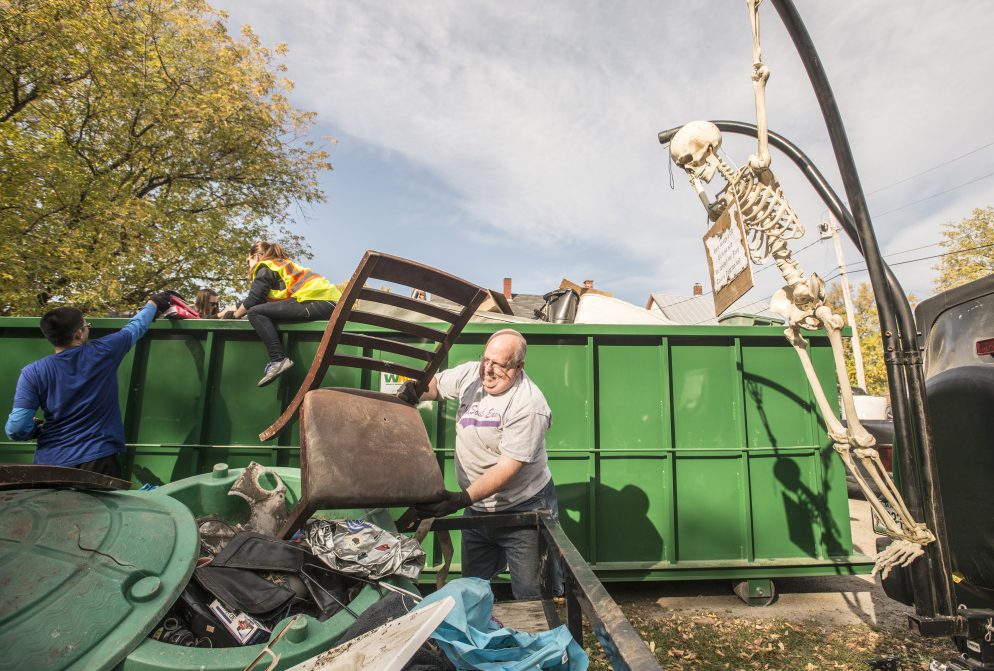
To some, the South End appears disorderly and neglected. Numerous residents are unable to pay for trash disposal, so garbage accumulates in yards or is dumped illegally. This leads to aversion and stigmatization of the neighborhood.
The South End neighborhood was once a thriving French-speaking working-class enclave, but when the mills closed, social networks largely dissolved, leaving fragmented community and history behind.
Goals
- Celebrate the manufacturing history of the South End
- Develop art through neighborly, collective interaction
- Empower South Enders to enact creative solutions
- Improve South End livability: revive appearances and pride
- Recalibrate the energy generated by investing in community action projects
How is this event paid for?
Ticket sales pay for rental costs and generate profit, to benefit a local arts or youth organization, such as the South End Teen Center, or an action project, like a neighborhood clean-up or mural. Community partners share enthusiasm for the goals and direction of this project, and invest accordingly. Organizers of the event work with schools to apply for district enrichment funds and grants so that artist and historian residencies can occur in classrooms.
Potential Community Partners
- Waterville Creates!
- Colby College Museum of Art
- South End Teen Center
- South End Neighborhood Association
- Local schools, artists and historians
- Children\’s Discovery Museum
- Waterville Historical Society
- Waterville Public Works: Sanitation Department
Inspiration Projects
- \”Secrets from The Street\” by Jo Hanson
- Twisp, Washington Trashion Show
- Mid-Coast Maine Altered Couture Contest
- Bainbridge Island Trashion Show: A Zero-Waste Initiative
Where will the Trashion Show be?
What is the history of garment making in the South End?


