



























Publishing the Voice of the Proletariat
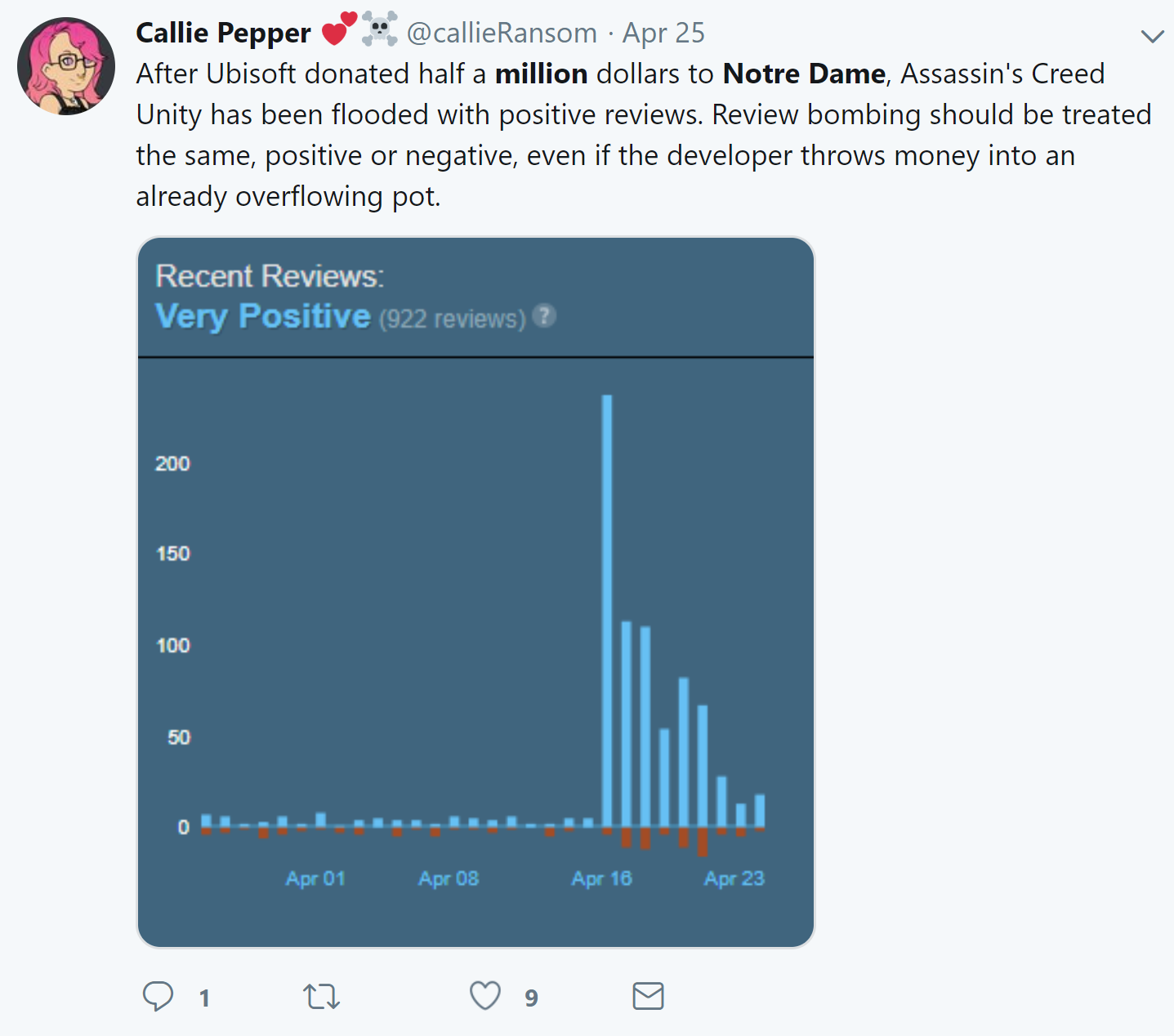
The very platform on which many of the investing companies advertised their donations provides the public with the ability to criticize. In his 1936 The Work of Art in the Age of Mechanical Reproduction, Walter Benjamin notes that more people have gained the ability to act as an author or critic as opposed to acting as only a reader: “The difference [between author and reader] becomes merely functional… At any moment the reader is ready to turn into a writer.” This lack of distinction between author and reader has increasingly become true as social media sites have been developed and popularized. Anyone with access to the internet has the ability to freely create an account and post a critique of any topic. The public can immediately and visibly comment on any post, opening up corporations and elite individuals to criticism not only from other entities within their social class, but also the greater public.
To use Marxist terms, Twitter publicizes the voice of the proletariat. Common opinions and beliefs within the proletariat class that before may have gone unnoticed now exist on the same plane as does the voice of elite entities. Although elite entities are more likely to have a greater number of followers and are therefore more likely to have their individual messages seen by more people, the majority of Twitter accounts are “unverified” individuals. The mere volume of dissenting messages alone, however, is a power in itself.
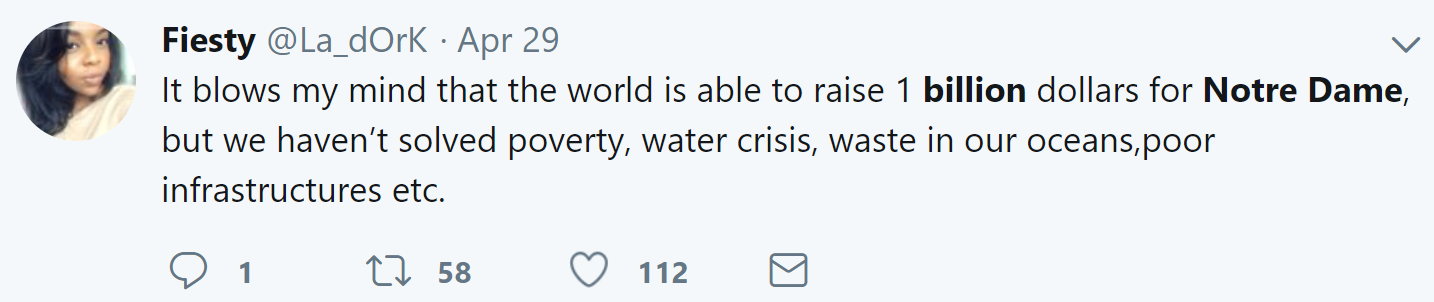
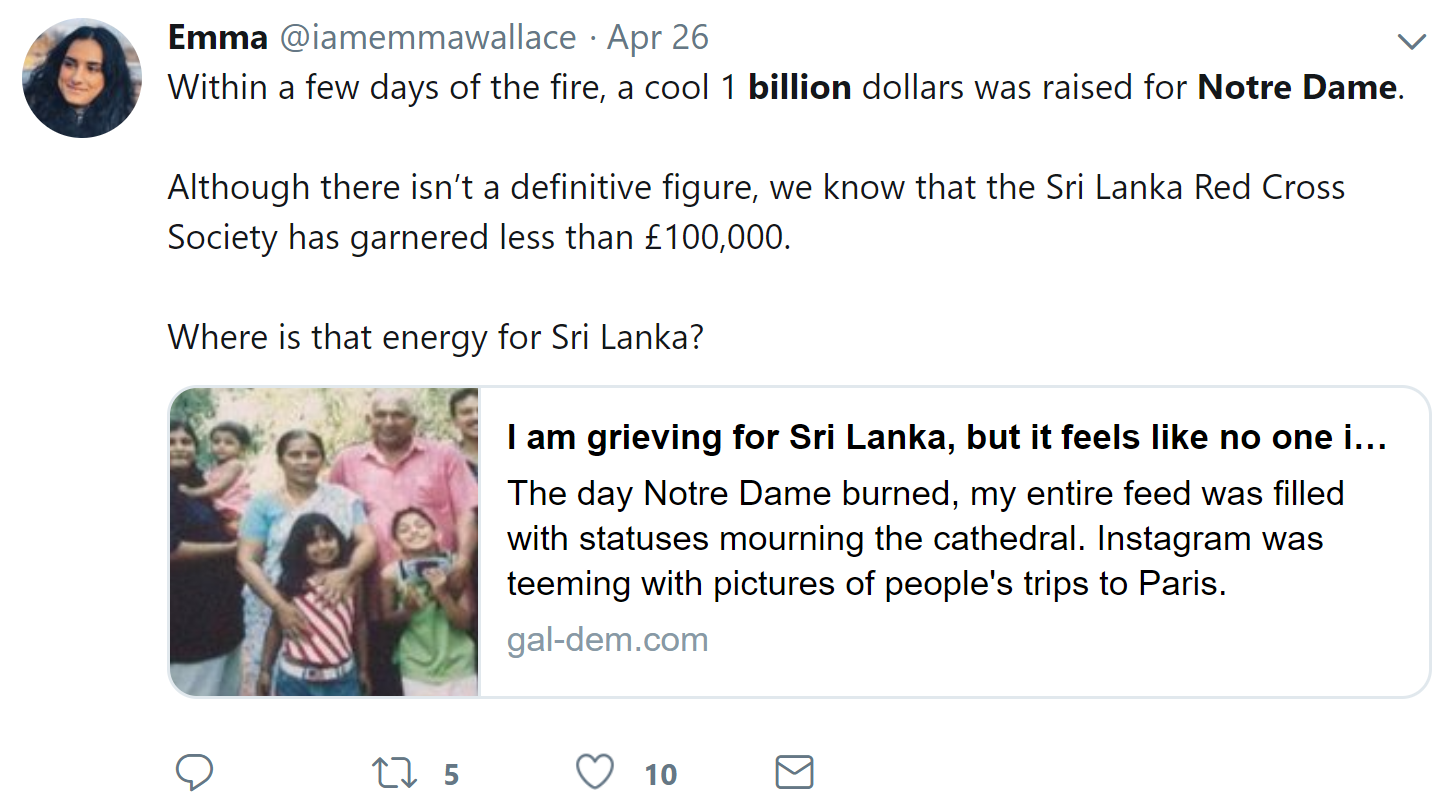
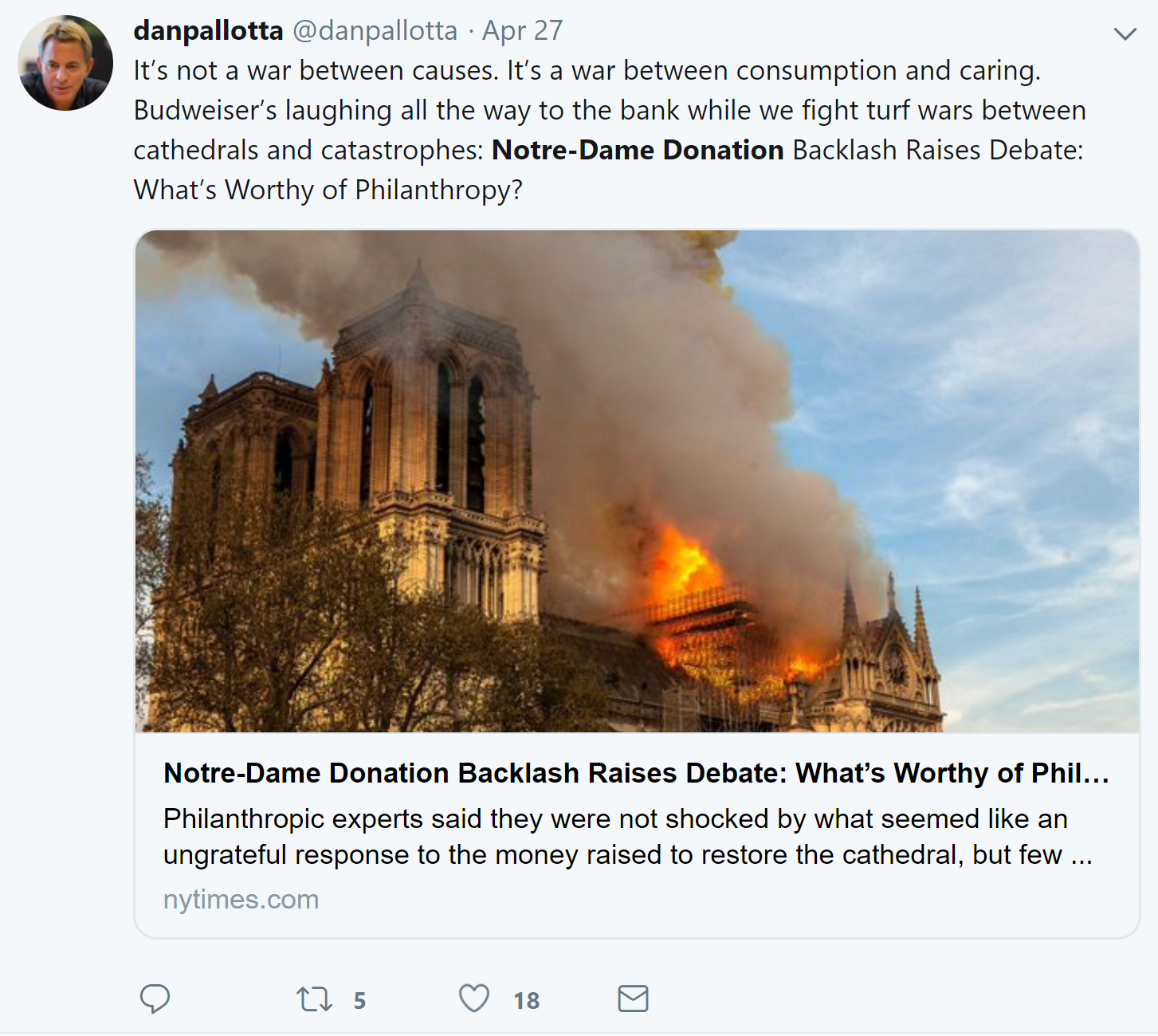
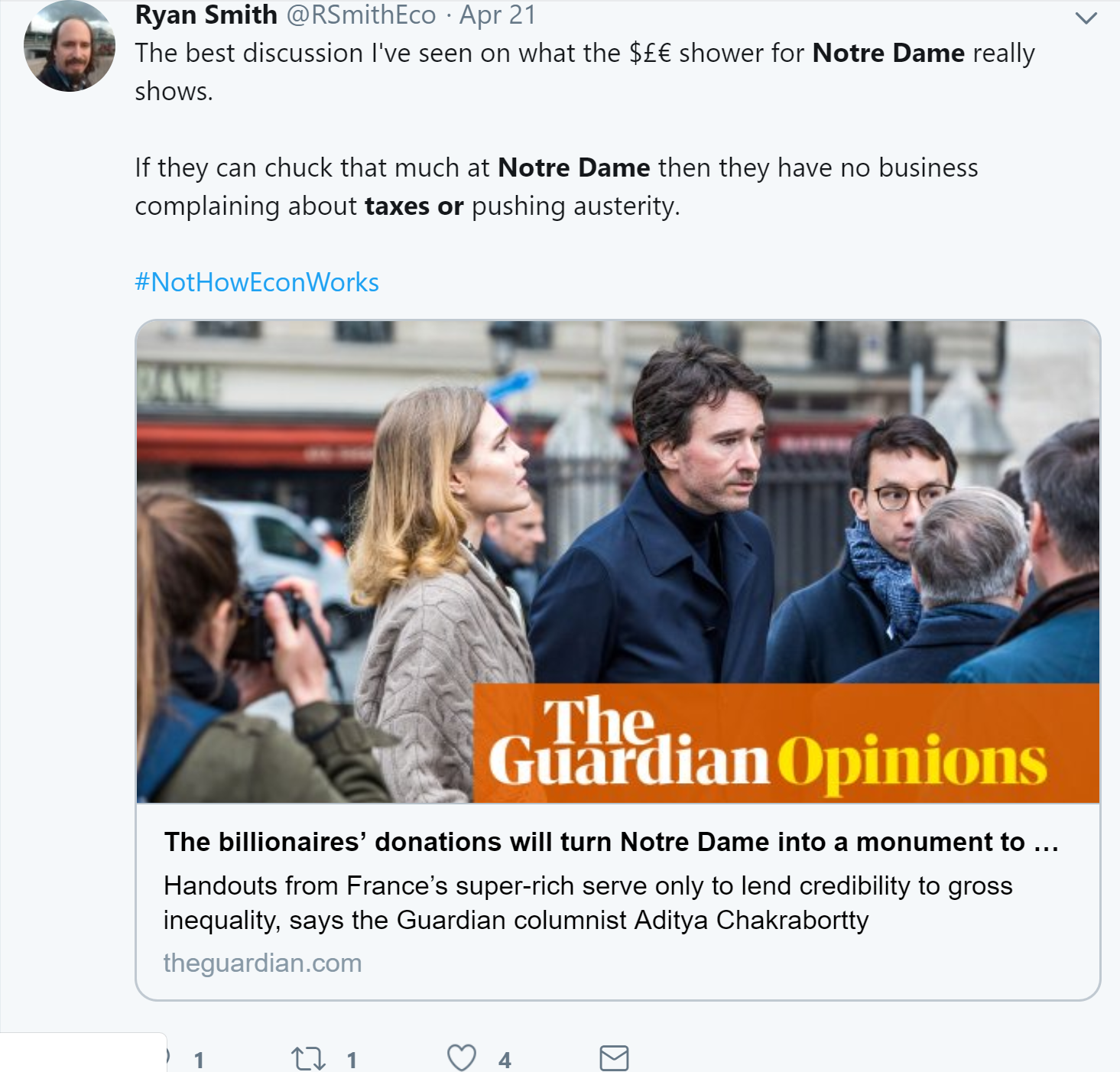
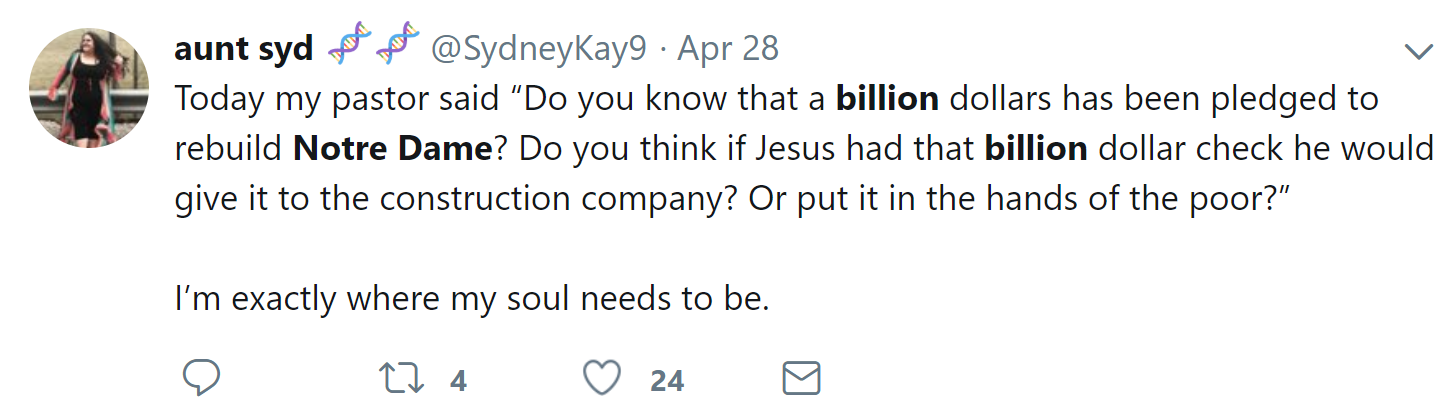
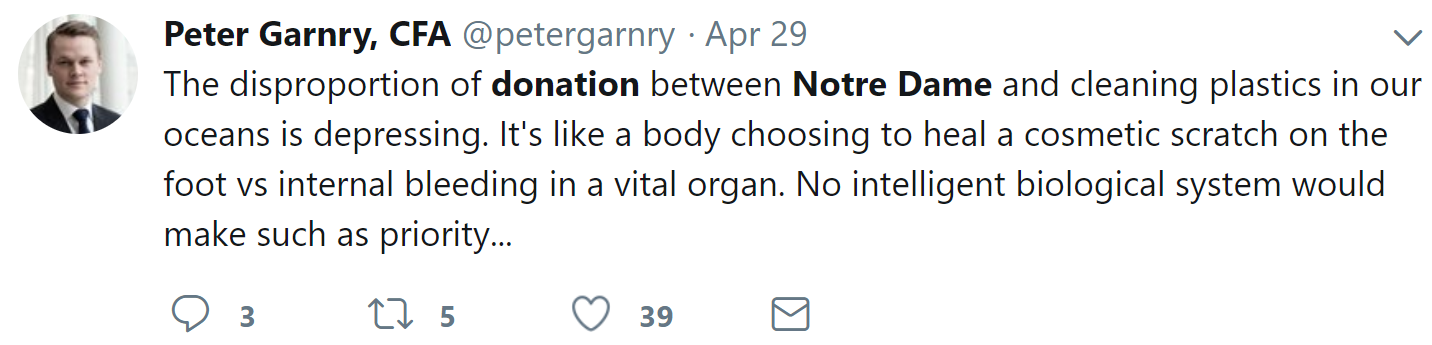
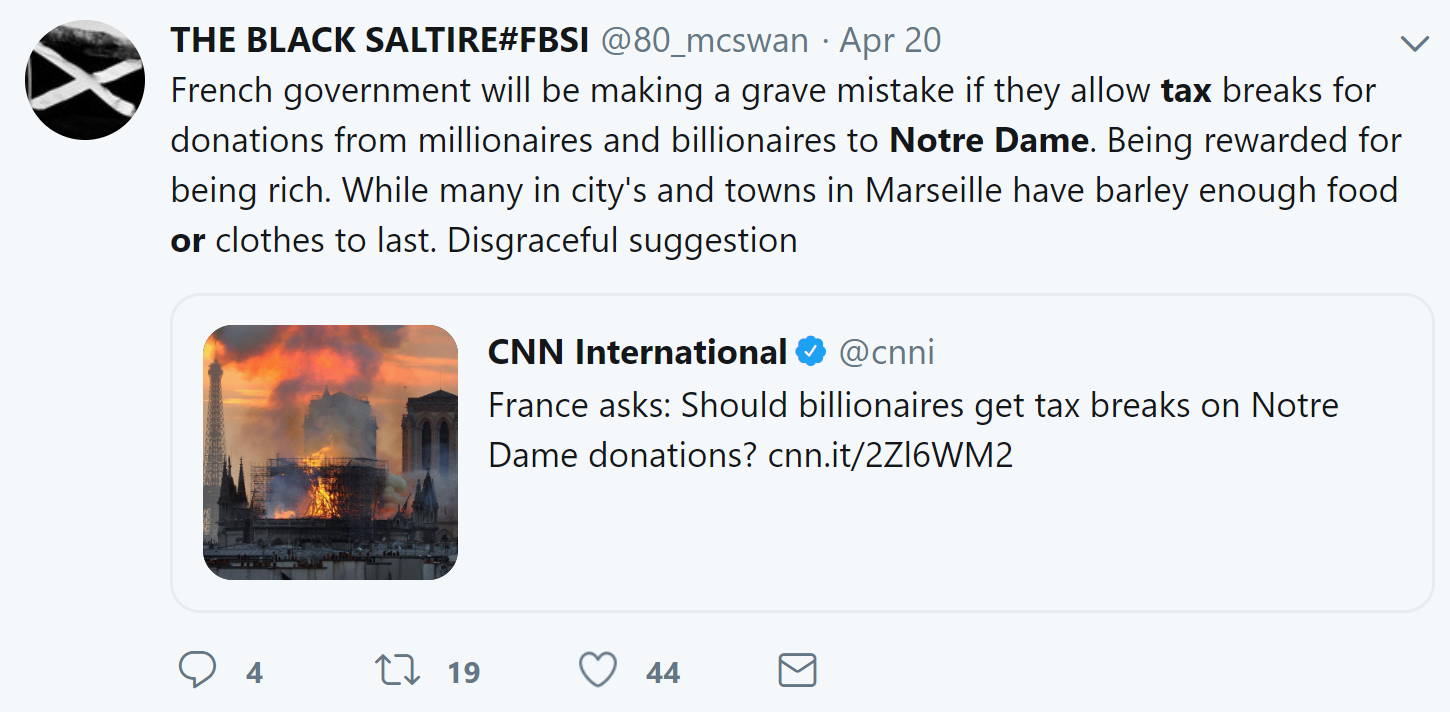
When major companies announced their monetary support to rebuild the Notre Dame, many people on Twitter noted the inherent contradiction of the idea of a profitable, “philanthropic” corporation. Twitter users also noted how the money donated to rebuild this cathedral could have been used to more directly make a positive impact in the world. Others wondered how companies could both assert that an increase in corporate taxes or the minimum wage would force a decrease in production and could at the same time afford to donate hundreds of millions of Euros. The priorities of the French government implied by President Macron changing the topic of his address to the nation from a response to the populist Yellow vests movement to rebuilding the Notre Dame Cathedral did not go unnoticed. The public backlash was so great that the front page of the New York Times on April 18, 2019, contained the headline, “Pledges to Notre Dame by Rich Stir Resentment.” The opinions within the proletariat class gained so much traction on social media that more traditional forms of media took notice, further popularizing the dissenters’ opinions.
A Marxist Critique
Although the decision of the major donating companies to pledge and advertise support for this cause is indeed indicative of ill-placed value in our society, the criticisms of this decision largely fail to attack the root of the problem. Marx wrote of a base-superstructure relationship, where the economic system of a society produces all other aspects of society. The massive profits of corporations necessitated the labor relationships of the capitalist system. The “profit above all else” mentality in the neoliberal capitalist system drove the contributing companies to donate in an attempt to foster a positive public image. The causes that those who critiqued these companies deemed as worthier of receiving financial assistance (i.e. clean water in Flint) arguably exist as a result of the capitalist system. Even those that are not directly caused by the inequalities inherent in this system nevertheless require funds from wealthy entities. Charitable causes are reliant upon the wealthy, who gained their wealth by operating within the capitalist system. Charity is both necessitated by the inequality within the capitalist system and depends upon those who benefit from the exploitation of others in this very system. A critique attacking the root of the problem would not argue that those donating to rebuild Notre Dame should have donated to other causes; rather, such a critique would argue that the neoliberal capitalist system itself needs overthrowing, not revising.
Class Consciousness
Regardless, Twitter allows not only for individuals to proclaim their beliefs to those in places of power, but also to fellow proletariats. Marx believed that the proletariat class would form an effective revolutionary party once they had formed a class consciousness. Through Twitter, the individual proletariat’s beliefs can be reinforced on a grand scale. Multiple individual beliefs that the Notre Dame donations are misguided becomes the belief of a mass of people. Social media clearly provides the ability to affect conversations surrounding any given event or topic; perhaps, then, social media can act as a catalyst in achieving class consciousness among the proletariat.