Welcome to EA 120! 
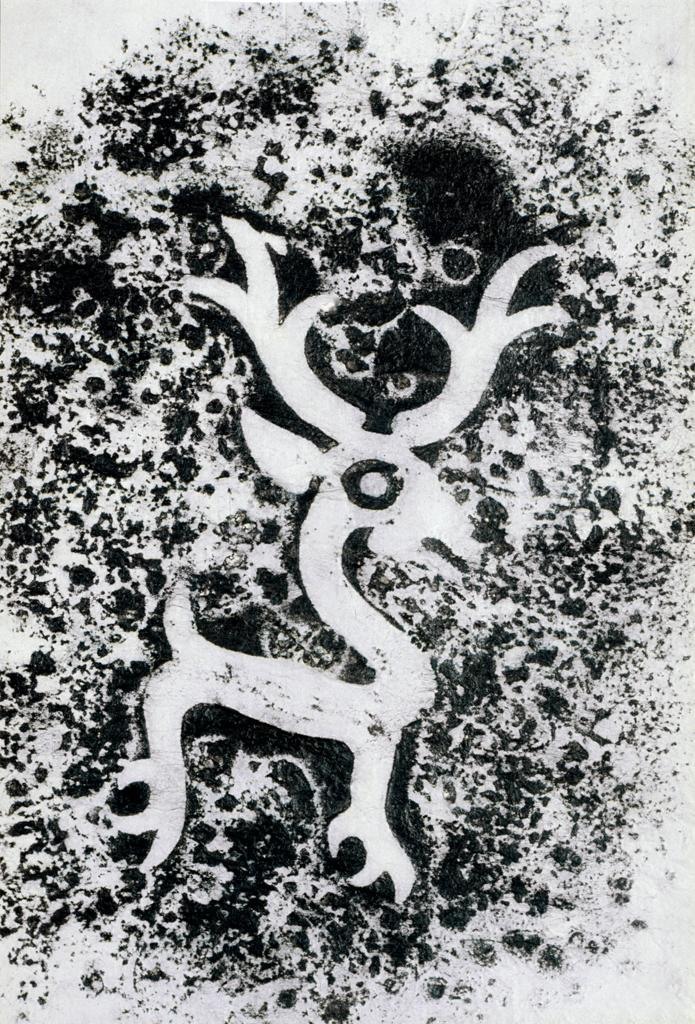
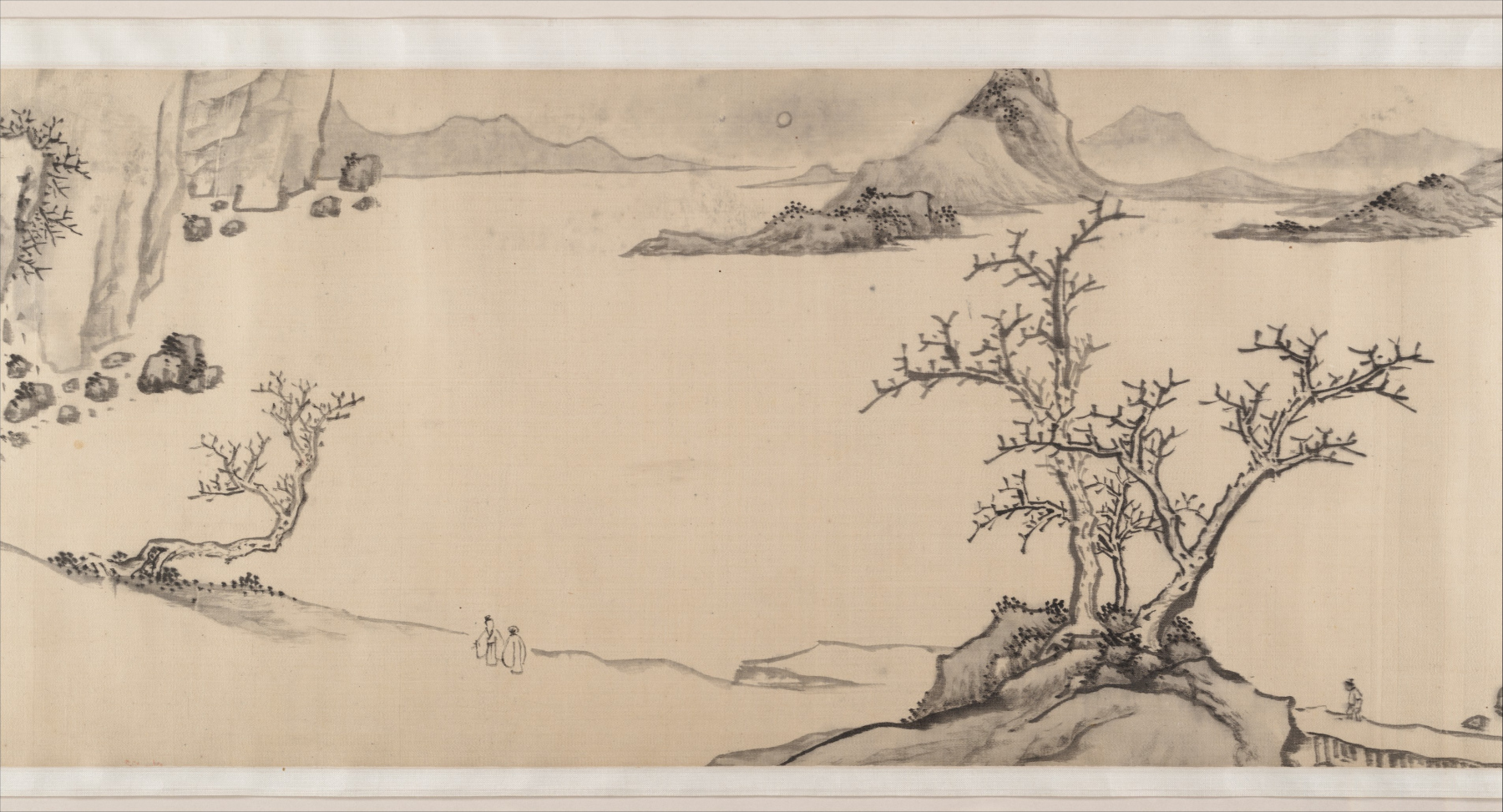
I invite you to hone your writing skills by writing (a lot) about East Asian writing on nature and natural phenomena. Being able to write well was a highly prized skill in traditional East Asia; not only did this skill allow you to gain power and fortune, but even more importantly, writing allowed you to communicate with the spirits as well as with other humans of different places and times. As we will learn, in the East Asian cultures, nature, human society, and the written word were intertwined from the first. How were these connections expressed in the written and visual artifacts of East Asia in different areas and different times? What might imagery of particular natural phenomenon–mountains, bodies of water, weather, plants, or animals–signify in works of literature and art? Together we will embark on a journey through time and space as we explore some of the masterpieces of East Asian art–literary, visual, and material–depicting the natural world and the artists’ relationship with that world. We will begin with a quick look at the shared ancestor of the writing systems of China, Japan, and Korea, the Oracle Bone script. We will move on to read prose excerpts from the ancient world: the foundational texts of Chinese thought, and the foundation myths of Japan and Korea. Lingering in the ancient world for a while longer, we will sample works from China and Japan’s earliest poetry collections. Then, moving on to later periods, we will savor examples of the flowering of all three cultures’ poetic traditions. As we read, discuss, write, and do research we will develop tools and techniques that will allow each of you to gain expertise on a particular natural image that appears repeatedly in one or more of the literatures of East Asia. You will share your insights on the natural image you have chosen with each other in the form of a final video essay. By the end of the course, you will have produced approximately 20 pages of polished writing, and the writing skills, as well as the habits of textual analysis, synthesis, and reflection, developed in this class will enrich your future learning during your remaining three years at Colby and beyond.
Learning Outcomes
- Hone ability to craft a written argument that holds a reader’s attention from the first sentence to the last.
- Recognize writing etiquette and rules—both spoken and unspoken.
- Identify defining characteristics of some major genres of Chinese, Japanese, and Korean literature.
- Analyze works in these genres within their cultural contexts.
- Trace the meanings conveyed by specific natural objects portrayed in literature from different times and different areas of East Asia.
- Develop reading and research skills to approach a piece of art (dramatic, visual, or written) from another culture and judge it on its own terms rather than solely from a Modern Western perspective.
- Compare and contrast how East Asian writers across time and space viewed the relationship between nature and man, and reflect on what we might learn from these views in the 21st century US.