
 by Chiamaka Ubani ’22
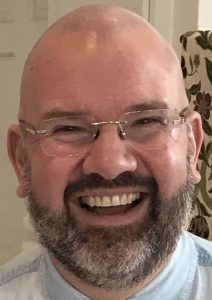
Many years ago, Reverend Mark Wilson had an experience in which he realized that the world and all that is in it is a manifestation of one reality. Some refer to such an experience as being “born again,” but Rev. Wilson explains it as transformative, changing the way he saw and interacted with the world. This experience led him to write the words that would come to define his life: “From here on into my life I’m not going to be a taker, I’m going to be a giver.” This has kept Rev. Wilson grounded in the work he does for the community as the pastor of Waterville United Church of Christ. Rev. Wilson feels a strong sense of calling to his ministry: “Whenever I’m not doing this [work] it feels like there’s a fire shut up in my bones, and that’s not a good feeling.”
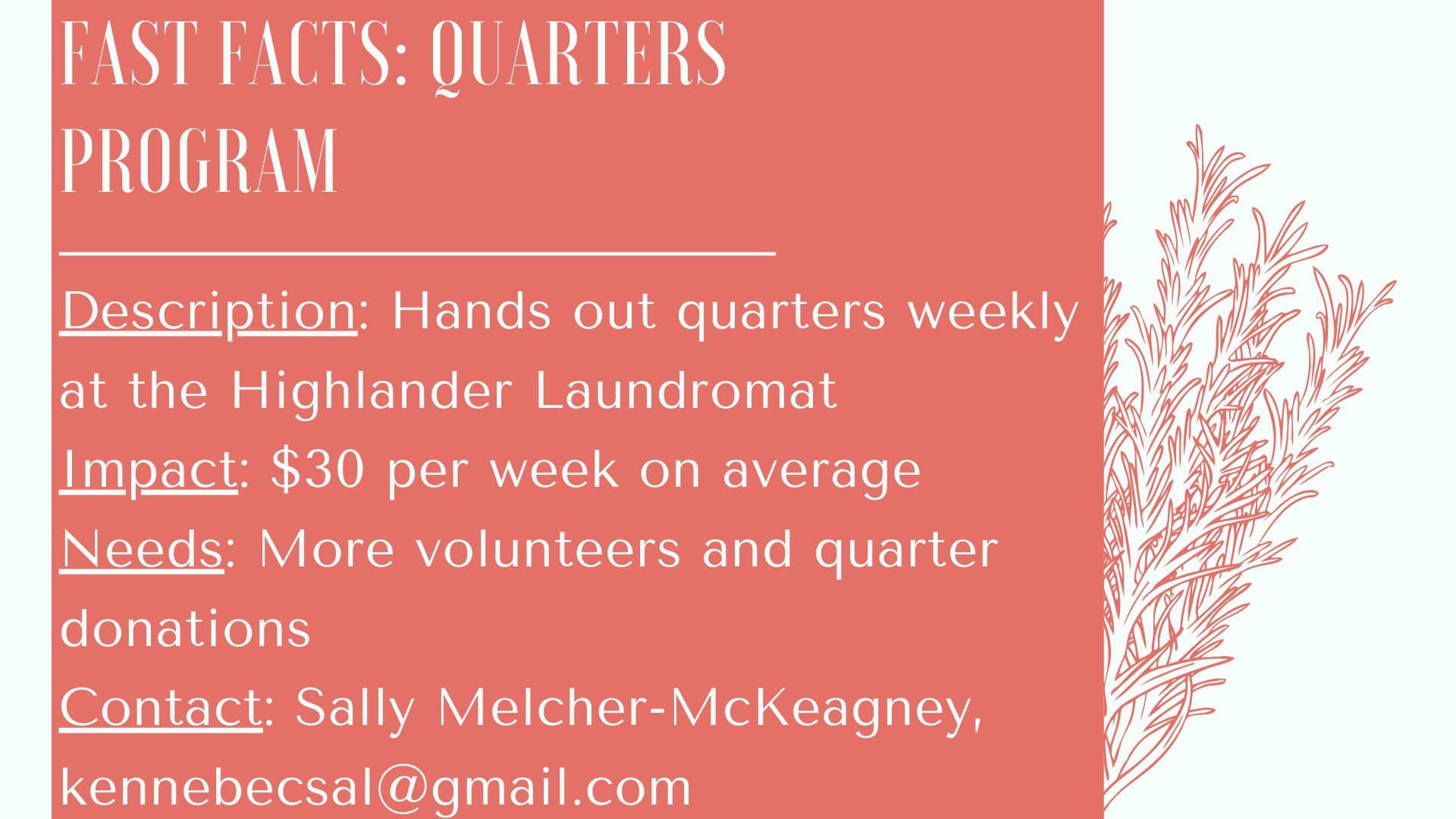
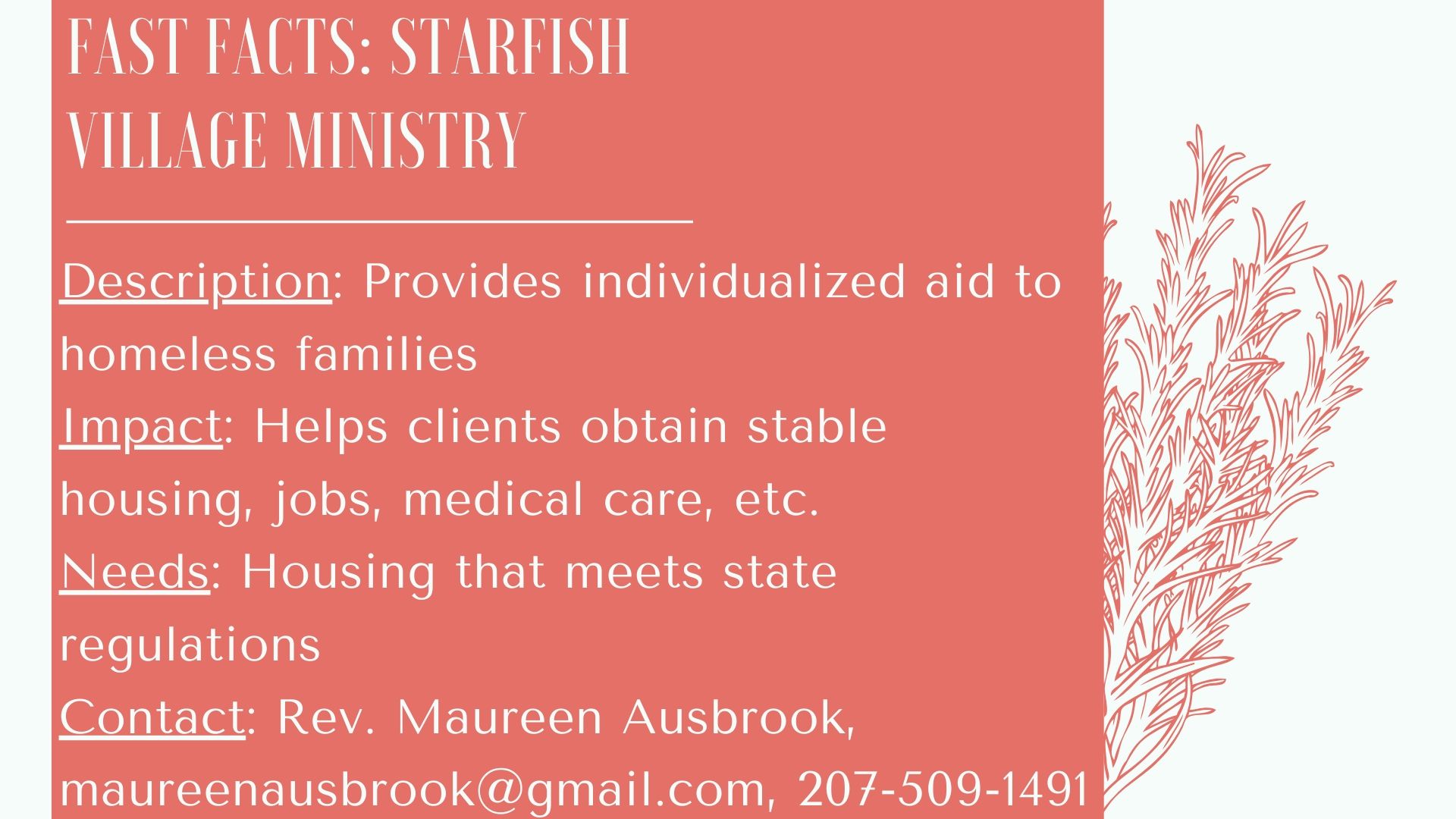
Rev. Wilson tries to give back to the community in whatever ways he can. Through his work at the Waterville UCC, he addresses issues of local poverty both practically and politically. Practically, the church has various ministries, programs, and missions aimed at serving the marginalized poor in the Waterville community. One such program is the Essentials Closet, which provides personal and household items for those in need. The church also has a program called Laundry Quarters, where members of the congregation take quarters to the local laundromat to give out to people who might need them. Starfish Village is another program to which the church gives resources and time. The purpose of Starfish Village is to help one homeless family at a time transition out of homelessness through long-term help and advocacy. These programs not only address poverty-related issues in Waterville, but they also help foster community.

As advocates for social justice, Rev. Wilson and members of the Waterville UCC address issues of local poverty by advocating for policies that will improve the lives of marginalized people. For example, they try to combat environmental issues by seeking to get the carbon fee and dividend law passed because issues like climate change disproportionately affect minority populations and those living in poverty. Rev. Wilson explains that this ties into the church’s social justice work so “it’s not just about the environment, it’s about the poor.” At some point, Rev. Wilson says they will press for a living wage in Waterville and certainly in the state.
The Waterville UCC works closely with other local churches. For more than 30 years, the church has sent volunteers to the Evening Sandwich program at the Universalist Unitarian Church, which feeds people with no questions asked. The church also donates money to the Interfaith Resource Fund run by the Waterville-Winslow Interfaith Council. Residents of Waterville and Winslow can access this fund when they need emergency financial help to pay for expenses like rent or heating bills.
Rev. Wilson admits that he is concerned about what the future holds with regard to the state of these community initiatives. He worries that what the churches are doing “will just get smaller and smaller as the time goes on and the need will still be [just as] great.” For Rev. Wilson, the biggest hope now is to elect people into government positions that will pass laws that benefit the marginalized and bring people out of poverty. In the meantime, he says that “it would be nice to have more people and more resources to do these things,” but churches are going to need to “participate in an intersectional way,” more so than they have done so far.
According to Rev. Wilson, many churches in Waterville face a common dynamic: “Aging congregations and dwindling resources. The need is great, and our resources to meet those needs are getting smaller.” The Waterville UCC is trying to change they way it operates to meet those needs as best it can. The church is downsizing to a location in downtown Waterville so that more funds can go towards enhancing community programs that address local poverty. In addition, the church wants to be in a more central location, closer to the population it serves so that it is easier for more people to access its programs.
 Rev. Wilson explains that members of the church are motivated because they believe that they are called to care for those on the margins: “It’s not charity; it’s standing with [people they serve].” For many congregants, volunteering expresses their Christian faith, but “we’re all called to help each other through this life, no matter your religious convictions.” Rev. Wilson and his congregants hope that by doing this work and advocating for justice, they can create a more generous world.