
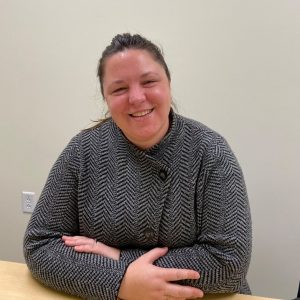
 by Andy Blake ’23
There were multiple times during my interview with Reverend Kate Smanik when I couldn’t contain my laughter. Delivering snarky punch lines at the end of sentences, Rev. Kate knows the exact space her words take up. She possesses pointed self-awareness, one of the most important skills students develop in Lives of Purpose, the volunteer program that Rev. Kate runs as Colby’s dean of religious and spiritual life. Rev. Kate has built her life upon reflection, spirituality, and faith. New to the Waterville area, she also brings an outside perspective on poverty, volunteer efforts, and collaboration.
Before coming to Colby, Rev. Kate was the assistant dean of civic engagement at DePauw University in Greencastle, Indiana. Like Colby, DePauw is located in a small rural town which saw economic decline after industrial jobs left. Although DePauw is located directly in downtown Greencastle, Rev. Kate noted that the same problems of isolation between college and community exist. In Greencastle, one issue that often came up was poverty and “class tensions” between the college and the surrounding area. Rev. Kate knows the problems of rural post-industrialized communities works toward alleviating them.
Rev. Kate says that the most important thing to do in a small community is to get involved. In Greencastle, she was able to “live out the life her faith called her to live out” by volunteering and getting involved in her community. Now, Rev. Kate prioritizes cultivating meaningful interactions between Colby students and Waterville residents. Creating these interactions, she explains, is important for the greater community and for herself spiritually.
Rev. Kate envisions a future in which Colby is much more spiritually engaged and civically involved in Waterville. She is already working to ensure that Colby students know more about the roles of local faith-based organizations and better appreciate that “clergy are often change agents in communities.” Ultimately, Rev. Kate wants Colby students to learn about the importance of spirituality and reflection. She wants them to know that religious communities, both evangelistic and non-evangelistic, are concerned about helping the people in need around them.
Rev. Kate sees religion as less about the specific words in a tradition’s sacred text and more about the values that come with that tradition. Because of her social gospel upbringing and attachment to values in action, she thinks that the collaborative work done by Waterville’s Interfaith Council is especially important. Rev. Kate believes a sense of spirituality, shared values, and the desire to do good should supersede religious differences. This spirituality creates a capacity for reflection and the desire to create positive change, which are essential characteristics when working to fix issues in a community.