Crime or Prejudice? 18 Years Stolen

Steven Avery served as an easy scapegoat for a deputy with a personal vendetta. The Avery family, designated outsiders in their town, marked him from birth as someone who was a delinquent. This, coupled with his repeated criminal offenses such as robbery, burning his cat for which he received time, and most importantly, pulling a gun on the deputy sheriff’s wife, marked him as a target whom the sheriff’s department and general population would be extremely unsympathetic towards.

Avery appeared to be immediately implicated in the crime even when there was no evidence against him. The victim, Penny Beernsten, was instantly manipulated into believing wholeheartedly that Avery was the culprit by the sheriff on duty. When the sheriff arrived at the scene and received no more than a few details regarding the assailant, she implicated Avery based on prejudices against his family. The sheriff also happened to be friends with Beernsten, making this information all the more reliable to her. From this point on, the investigation was contaminated. 

The police continued to push the narrative of Avery’s guilt even after multiple solid alibis were produced. They went as far as to create a forensic sketch based on a previous picture of Avery rather than details the victim had provided. It should be noted that immediately following the crime, Beernsten described her assailant’s eye color and height as vastly different from Avery’s. Despite this, after being shown photos of Avery presented as a possible suspect, when it came to a lineup identification, she identified Avery without trouble and with absolute certainty. 

This type of distortion in memory is much too similar to the Snyder case and is a result of poor police practices. If the police had not previously shown images of Avery to Beernsten or conducted a more thorough investigation into potential suspects, perhaps she would have been able to identify her assailant. Thompson, the true culprit, was repeatedly ignored by the sheriff’s department despite the fact that his possible guilt was presented directly to the sheriff’s deputy. This was likely due to the deputy sheriff’s prejudice against Avery due to his altercation with his wife. As such, the deputy sheriff should have been removed from this case entirely to avoid bias. (372)
Posted in Science of Crime | 1 Comment

18 Years Serving Injustice

Steven Avery was a victim of the justice system. His family did not fit into the norm of the town, they had been outcasted their whole lives, and it was clear from the start that he was doomed. He had had a few misdemeanors throughout his life and the police had wanted him locked up from the onset.

When Penny Beernsten described her attacker, Steven Avery did not fit the description at all, however, Judy Dvorak claimed it did. She had  Chief Deputy Eugene Kusche make a composite drawing from Avery’s old jail records, rather than making one from the man Beernsten described. By showing this image to Penny Bernstenen they caused a commission bias in the lineup as the only man she had seen before was Steven Avery, causing him to stand out the most. Had this picture not been shown to Penny, I do not believe the verdict would have been the same. This case reminded me of the one we talked about in class. A news anchor was wrongfully committed due to an erroneous eyewitness testimony, where the victim had mistaken her attacker for the man she was watching on TV at the time of the incident. This proves how vital it is to not base the verdict solely on an eyewitness testimony, because as we have learned humans are not always as good at facial recognition as we may think, and many different circumstances can alter memories of what exactly happened. 

 The local law enforcement handled this case completely unprofessionally by planting the idea of Steven Avery into the victim’s head while turning a blind eye to all signs that pointed elsewhere. I was appalled by the way this was handled. When Avery was first arrested the Sheriff told him “I got you now,” and from there ignored any evidence that could have proven his innocence. Throughout the case, several people came forth as eyewitnesses proving that they were with Avery at the time of the incident, and yet, the cops continued to target him. They not only put an innocent man in prison, but they allowed a criminal to walk free for another 18 years, empowering him to commit more crimes. 

(Word count 366)

Posted in Science of Crime | Leave a comment

An 18-year “Mistake”

Steven Avery was wrongfully convicted for sexual assault in 1985, and served 18-years in prison for this conviction. One of the leading reasons for this wrongful conviction was eyewitness misidentification. Steven Avery had a criminal record and he was disliked by many people in his neighborhood including the deputy chief’s wife. When the chief was informed of this case he immediately named Steven Avery as his number 1 suspect. This in itself was odd, but what made this even stranger is the fact that the chief deputy took an extreme involvement in this case. However I’d like to focus on the “mistakes” made by the sheriff department that led to this eyewitness misidentification. 

In general eyewitness misidentification is often caused by several factors such as exposure to a suspect before a police lineup, suggestibility of who the police might have as their primary suspect, and human ability to remember faces in the event of an emotional situation.

The first “mistake” was the composite drawing. This drawing was supposedly drawn via the description of the victim, however the sketch oddly resembles Steven Avery’s mug shot from a couple years back. When the sketch artist was asked if he had access to this mug shot he claimed he had not seen it and didn’t have access, when in fact he did have access. The exposure to the sketch resembling Steven’s mugshots gave the victim misinformation of what she thought the perpetrator looked like. This in turn created a preconceived notion for the victim of what the perpetrator would look like during the line up. When the victim was presented with the line up, she selected Steven Avery who did not resemble entirely what he looked like in his earlier mugshot. Another important note is that Steven didn’t resemble the victims’ original description of eye color, build and length of hair that is available in the reports. 

At the time of the case there was no physical evidence that suggested that Stephen was the perpetrator, in fact Steven had at least 20 eyewitness accounts that claimed to be with him during the time of the crime. In this case the misidentification could have been avoided first by having the victim not be exposed to the artist’s erroneous sketch, and second by not being informed of who had been the primary suspect in this case. (391)

Posted in Science of Crime | Leave a comment

One Allele Makes All the Difference

Small changes snowball out of control over time and have dire consequences. The butterfly effect, the straw that broke the camel’s back – whatever you want to call it – is pivotal to many situations in life. For Steven Avery, it was literally the difference between freedom and 14 more years in prison.

As the star of the Netflix docu-series Making of a Murderer, Avery was wrongfully convicted on the basis of hate, pettiness and extremely thin evidence. This extremely thin evidence was the basis of the victim of a gruesome rape, Penny Beernsten, who allegedly had a perfect recollection of the entire event.

Unfortunately, local law enforcement subjected her to many cardinal sins when it comes to eyewitness testimony preparations. The local sheriff in Manitowoc drew up a mock image resembling Steven Avery, but notably unlike the description Bernsteen reported to the police, showed it to Penny by itself and generated a confirmation that Steven was the perpetrator.

This is effectively the drawing version of a showup. Without any other comparisons for Penny to decide between she was subjected to this image and asked “is this the guy?” As one can expect the answer was yes. Additionally, Steven had a prior record for other, less serious crimes so the image of Steven permeated the local law enforcement’s thoughts leading to a more aggressive investigation and ultimately prosecution of him. The sheriff and other law enforcement even had prior history with Steven personally which no doubt led to bias and overlooking the real criminal – Gregory Allen.

Eventually, based on the proprietary DNA evidence that developed during the time of Avery’s sentence he was exonerated on the basis of a difference of one allele on one pubic hair – a very small development that made all of the difference. Clearly, an unbiased investigation, better structure of suspect identification with thoughtfully constructed lineups and the new technology that takes some of the importance off of solely eyewitness testimony would’ve gone a long way to preventing unfortunate people like Steven Avery from experiencing these wrongful convictions in the future.

(Word Count: 343)

Making a Murderer. Directed by Laura Ricciardi, Netlflix, 2015.

Posted in Blog #2: Eighteen Years Lost | Leave a comment

Outsider Takes the Fall: Eighteen Years Deep

The case I write about today has more than one victim. Although the actual heinous crime was committed against Penny Beernsten, Steven Avery was a victim of severe injustice. Losing freedom for 18 years of his life, shortly after the birth of his twin boys, must have caused an unimaginable pain that would have broken most men. However, in Avery’s case, he stayed in good spirits and maintained his innocence until DNA evidence was used to exonerate him.

The victim’s eyewitness testimony was the most crucial evidence to put Avery away. Looking back on it now, it is evident that the testimony was inaccurate. In many similar cases, innocent people have been jailed or, worse, due to an imprecise eyewitness account. Most of the time, it isn’t an intentional act; it occurs due to subconscious processes in the witness’ mind. Forgetfulness and absent-mindedness are habitual among witnesses and ordinary folk who haven’t been called to the stand. Eyewitnesses’ memory could get distorted due to influences from what others claim to remember or develop a false memory because they hear the same “truth” being repeated, changing their aim from providing testimony to validating these suspicions.

Watching the first episode of Netflix’s Making a Murderer, I was dumbfounded by how this crime was investigated. The out-of-proportion tunnel vision of the Sheriff’s Department and the prosecutor in fabricating and modifying evidence to prove Avery was guilty and ignoring all exculpatory evidence was bizarre. The department had a bias toward the Avery family, and they hinted that bias to Beernsten on numerous occasions, assisting in her overblown confidence that Avery was her assailant.

The Sheriff’s Department carried out its duties very unprofessionally. For instance, Deputy Judy Dvorak told Beernsten that her description of her assailant sounded like Steven Avery and instructed her to sign a statement she couldn’t confirm. Moreover, their lineup was flawed, as a photo of Avery was shown to Beernsten before she picked him from the lineup.

Eighteen years of a man’s life wasted; a vicious sex offender allowed to roam about destroying lives because of an avoidable mistake. The faulty identification could have been easily circumvented if the department was willing to investigate the case rather than choosing their scapegoat and manipulating evidence to prove him guilty. This case has caused me to wonder how much the history and relationships between suspects, victims, and investigating parties factor into dispensing justice.

(Word Count: 400)

Posted in Blog #2: Eighteen Years Lost, Science of Crime | 1 Comment

The Heartbreaking Eighteen

On my first day of high school, I was told by the principal that this was the most crucial day of my high school career. This was the day where I would make lasting impressions on those around me, which would form the foundation for my reputation. The weight that a reputation holds truly cannot be recognized until learning of the tragic case involving Gregory Allen, Penny Beernsten, and Steven Avery. 

After watching Making a Murderer on Netflix, it was abundantly clear that Steven Avery was doomed from the start. Avery’s reputation followed him around like a dark cloud, and was ultimately the factor that resulted in his incrimination. If Avery and his family had fit into the community, if they had been wealthy, if they had been well-rounded, I find it unlikely that he would have been considered a suspect to begin with. It appeared from the episode that the town and police force were looking for a scapegoat, and Avery was the most obvious (and simplest) solution. 

Innocent people are still incriminated to this day for crimes they did not commit. Thankfully, advancements in technology have helped exonerate thousands of individuals. Albeit, in Steven Avery’s case, the police force was working double time to ensure the local troublemaker was locked up– for good this time. Their previous bias cost an innocent man eighteen years of his life. 

If Judy Dvorak had not put the idea into the head of Penny Beernsten that Avery was the most likely suspect for this case, I don’t believe this case would have spiraled as out of control as it did. When a composite photo of Avery was shown to Beernsten, she remembered his face when she saw him in the lineup, and left her unable to differentiate between her attacker, and the man she had previously seen in the image. 

This informational influence impacted Penny Beersten’s memory so she could no longer remember who her true attacker was. It is clear that Beernsten fell victim to suggestibility after the interactions she had with members of the police force. These factors all contributed to the inaccurate testimony that landed Avery in prison. 

Thankfully, as technology advances, crimes are becoming easier and easier to solve. However, it is still terrifying to think that criminals prowl the streets at night, while innocent people rot in jail cells for crimes they did not commit. (398)

Posted in Blog #2: Eighteen Years Lost | 1 Comment

Walking to the unknown

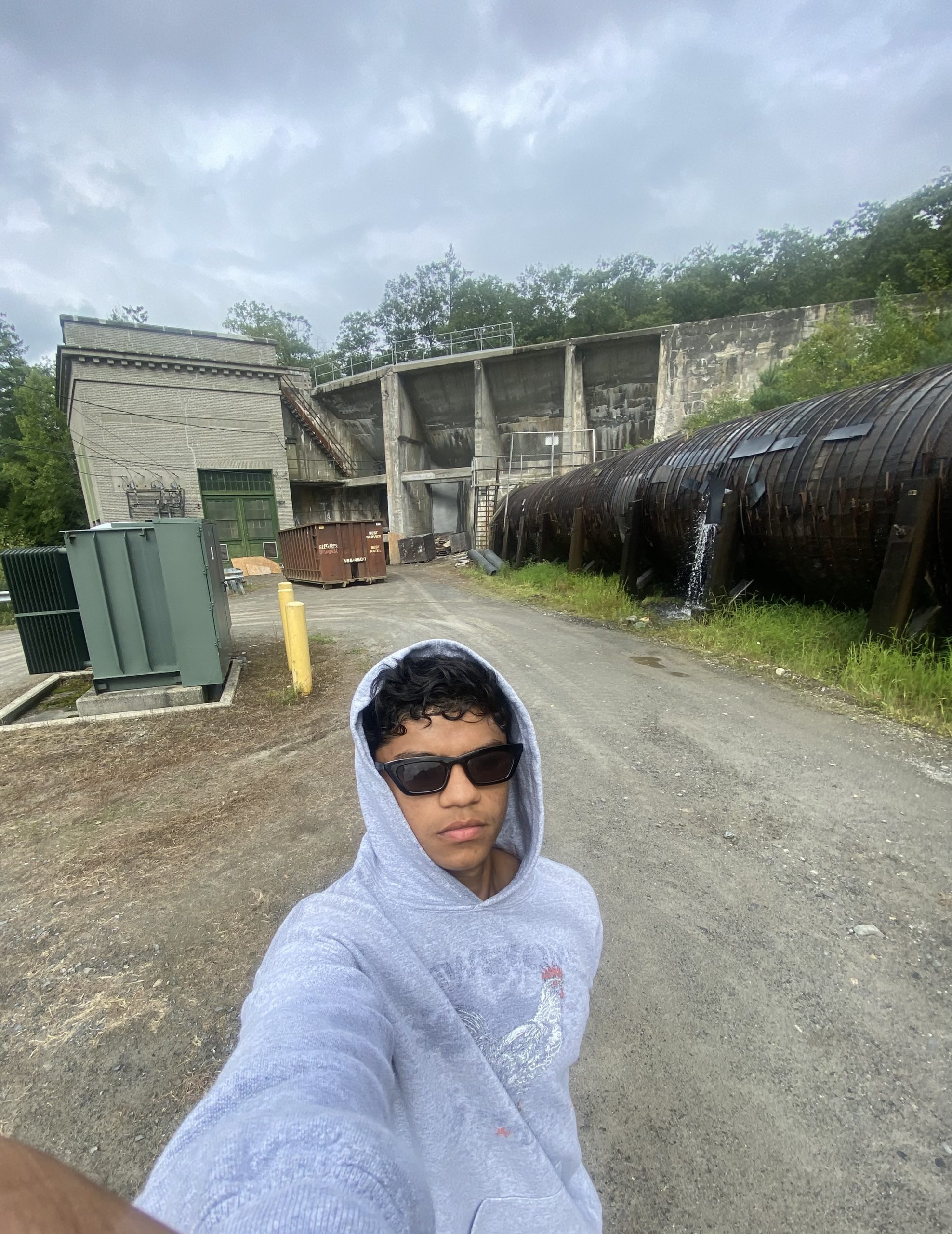
September 11, 2023, is a somewhat foggy day, the perfect weather for a run in my opinion. As I run towards this unknown location, I listened to my favorite songs; once I reached the ac, I decided to allow myself to be more aware of my surroundings, so I took my headphones off and let my ears listen to the breeze against the trees, my feet against the concrete and the cars passing by, the further I get from campus the less safe I feel, even though I’ve been living in campus for a few weeks I only feel some sense of security and protection on campus. Rice Rips Road is also not ideal for running due to sidewalks being almost nonexistent for most parts of the road. There are houses along the road, but I did not see a single person out. When I was finally about to arrive at the coordinates, I saw a white truck turn right to the same gravel path, making me hesitant to follow along or wait for the car to leave. I decided to go ahead and continue in the same direction. The coordinate is not too far from the main road but far enough to remain unseen and probably unheard. There is a big old wooden pipe along the gravel path that connects to a reservoir. As soon as I arrived, two men who seemed to be workers supervising politely said hi and asked what I was doing there; after I explained why I was there, they shared some rather unexpected information about the unfortunate crime that had taken place there, they mentioned how they remembered hearing about the news and pointed towards where allegedly the body had been found, they left a few minutes after. I took a look around and explored the area, and even though, to some extent I was a bit scared, the feeling of curiosity and suspense made me stay and wander around for a little longer.

(wordcount 330)

Posted in Blog #1: Crime Scene, Science of Crime | 1 Comment

The Walk to the Crime

It was any ordinary morning on campus, I walked back to my dorm from my Psych class and then headed on my unexpected adventure. As I started my stroll down the steps to Mayflower Hill Drive, I was met with a cool breeze and the passing of many faces. The campus sounds filled my ears as I caught small fragments of people’s conversations when they passed or heard classes in session through the cracked windows. 

As I made it further and further from campus, these sounds vanished, and I was completely surrounded by open fields and trees or the occasional pass of a car or shuttle. Once my mind was not crowded with noise and was only filled with the stubble hum of cicadas in the tall grass, I was able to process where I might be headed. What did this sight look like? Was I about to see a dead body? Should I be worried that I’m walking here alone?

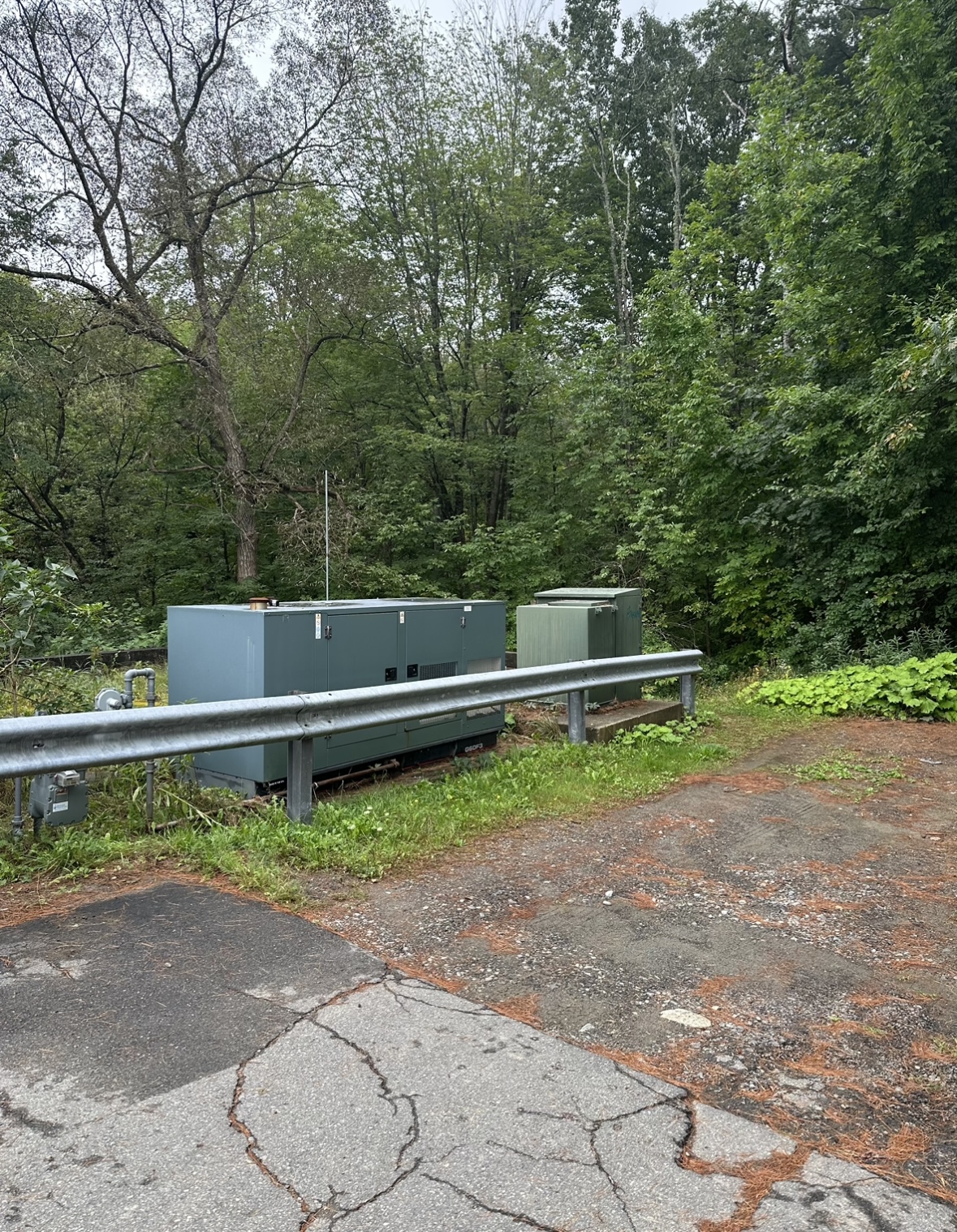
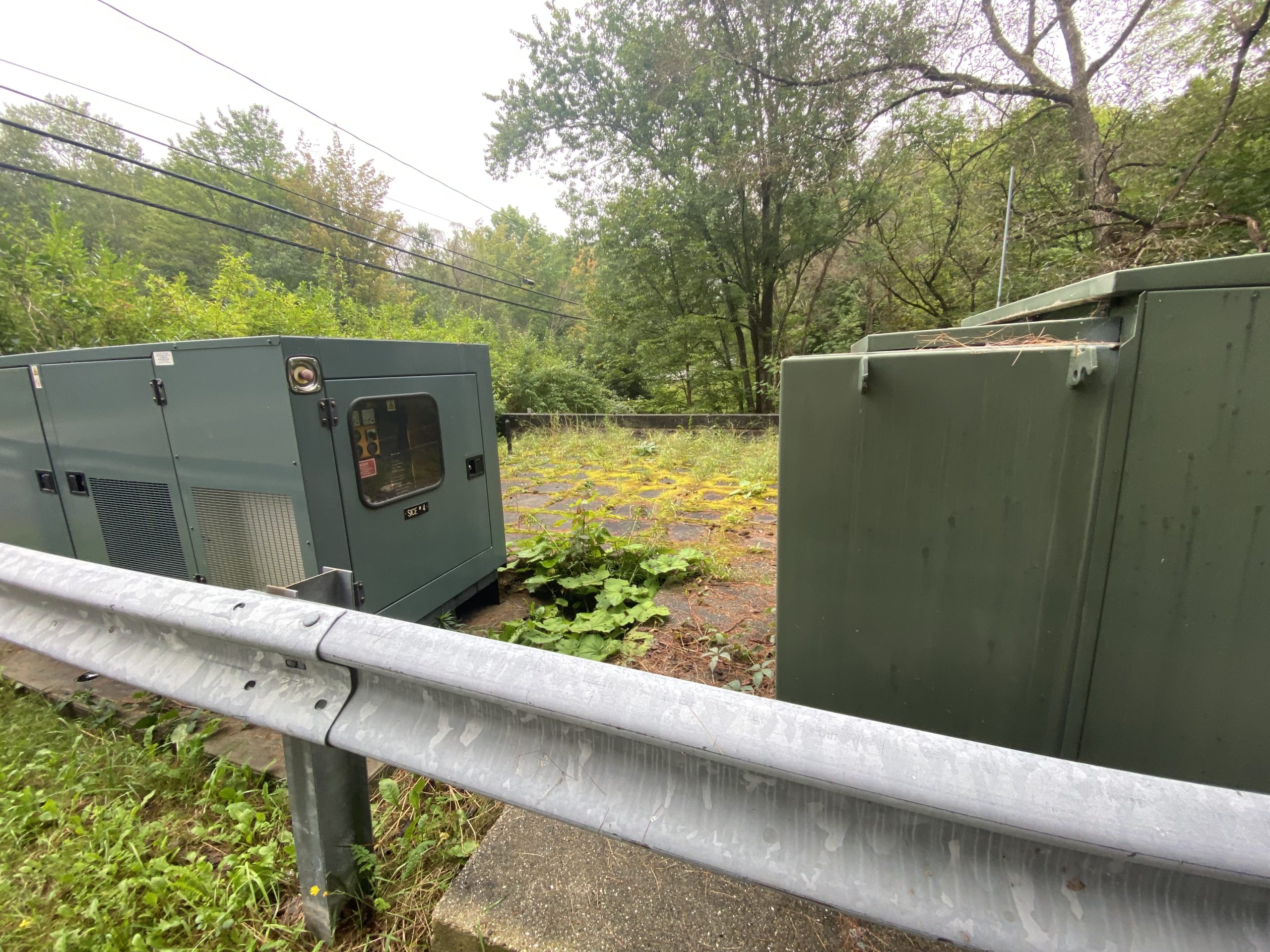
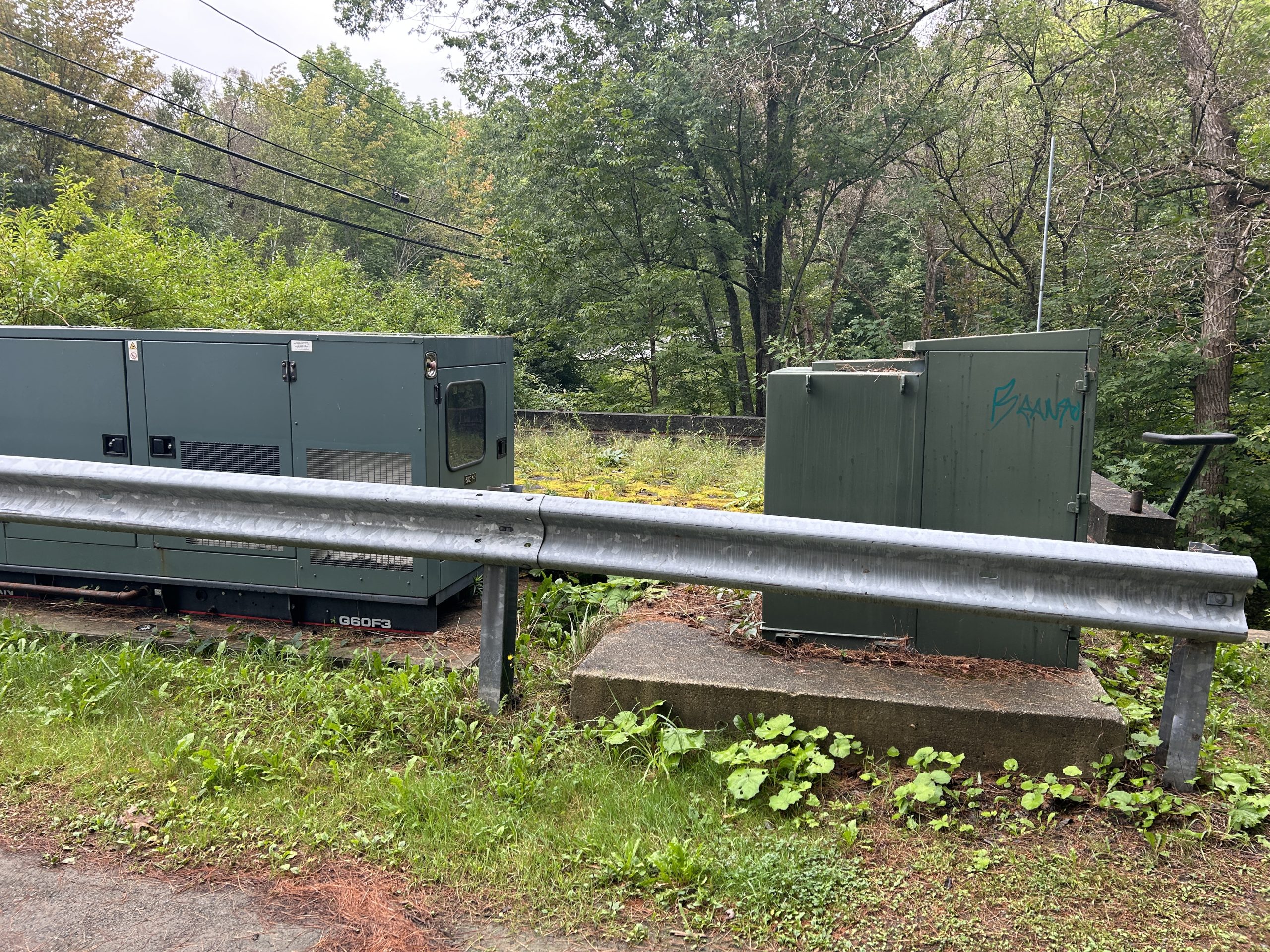
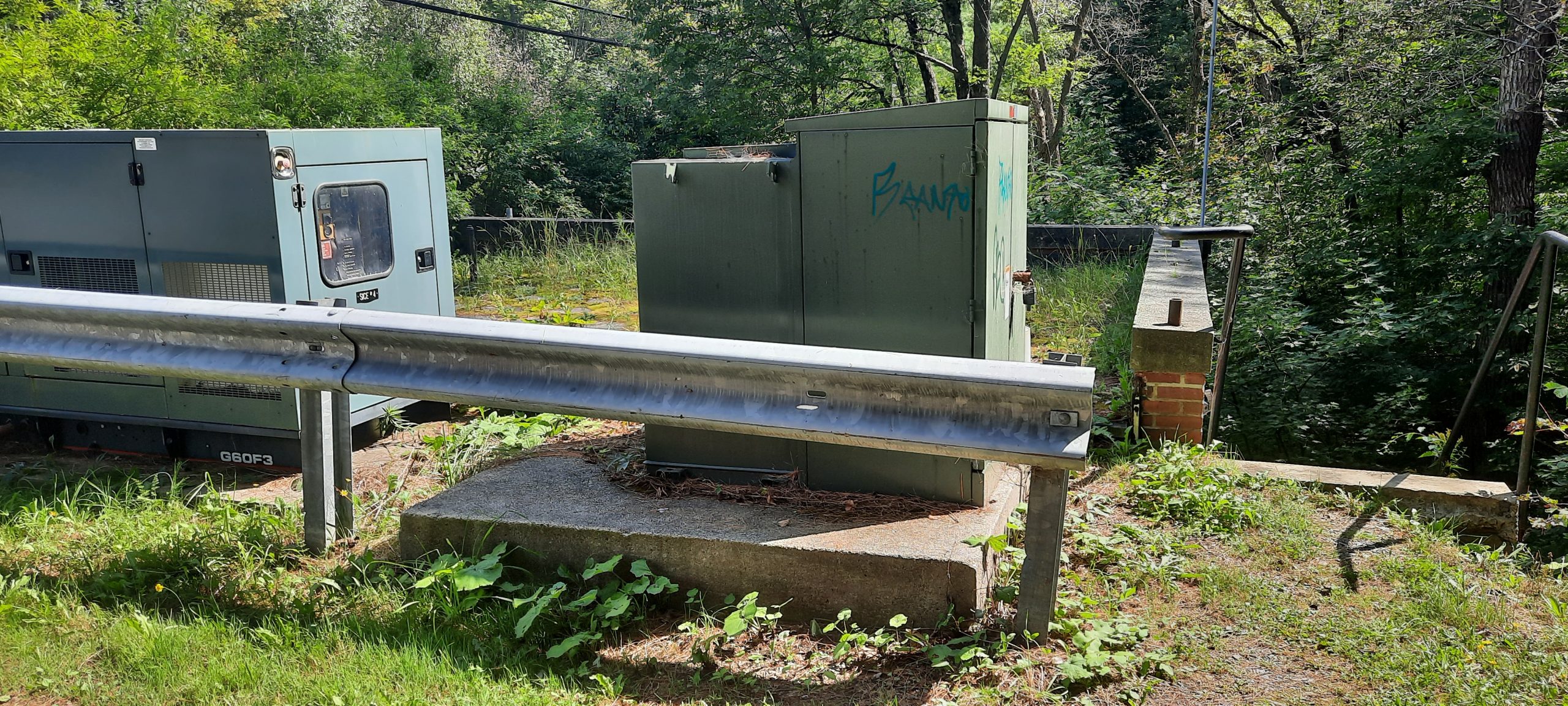
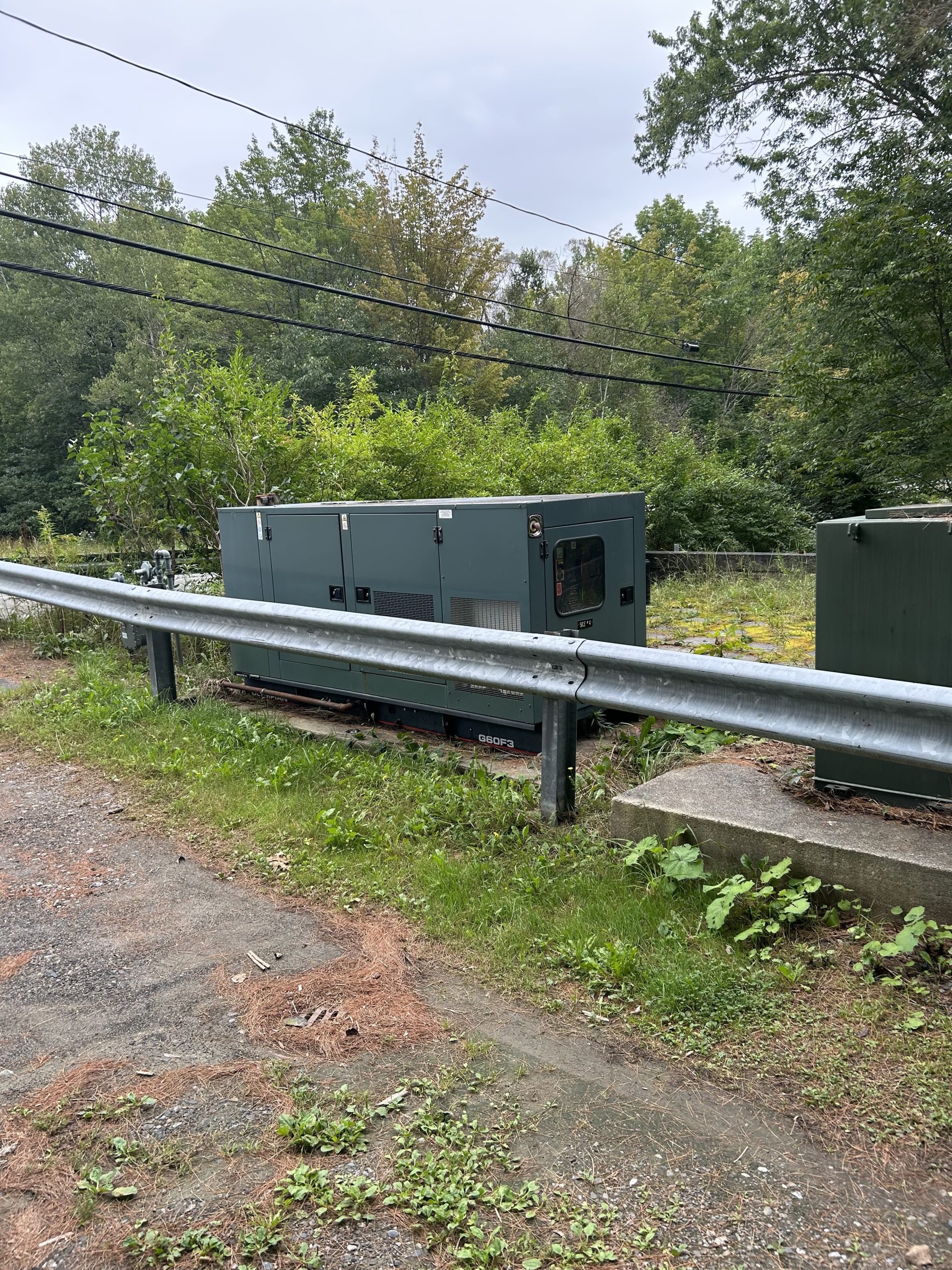
I soon made my way around a small bend in the road and the sight revealed itself to me. It seemed to be two generator-type boxes gated off by a metal rail in a small clearing from the woods. I was immediately confused by where these coordinates had led me, was I in the right place? Was I really standing where someone had been brutally murdered? 

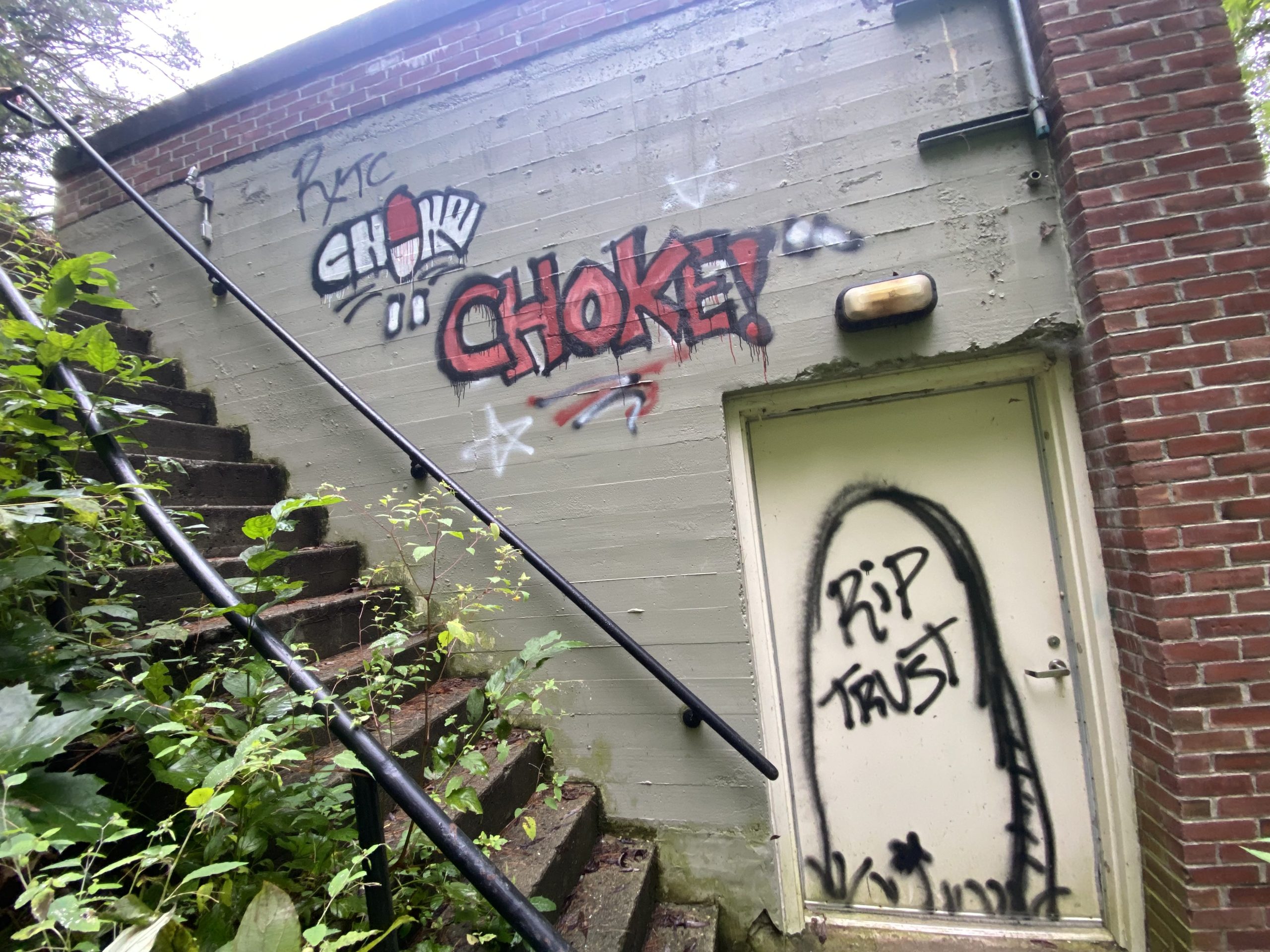
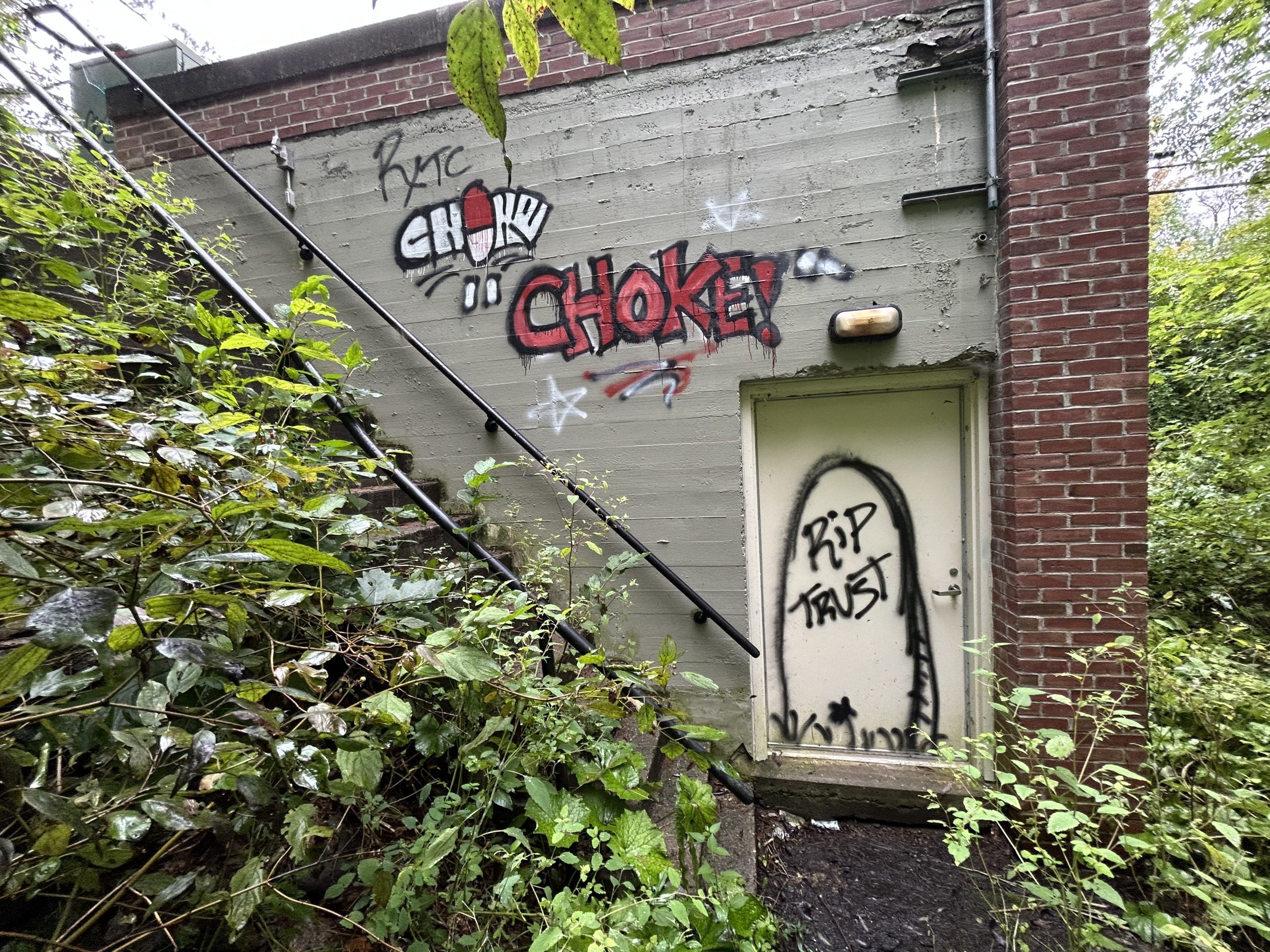
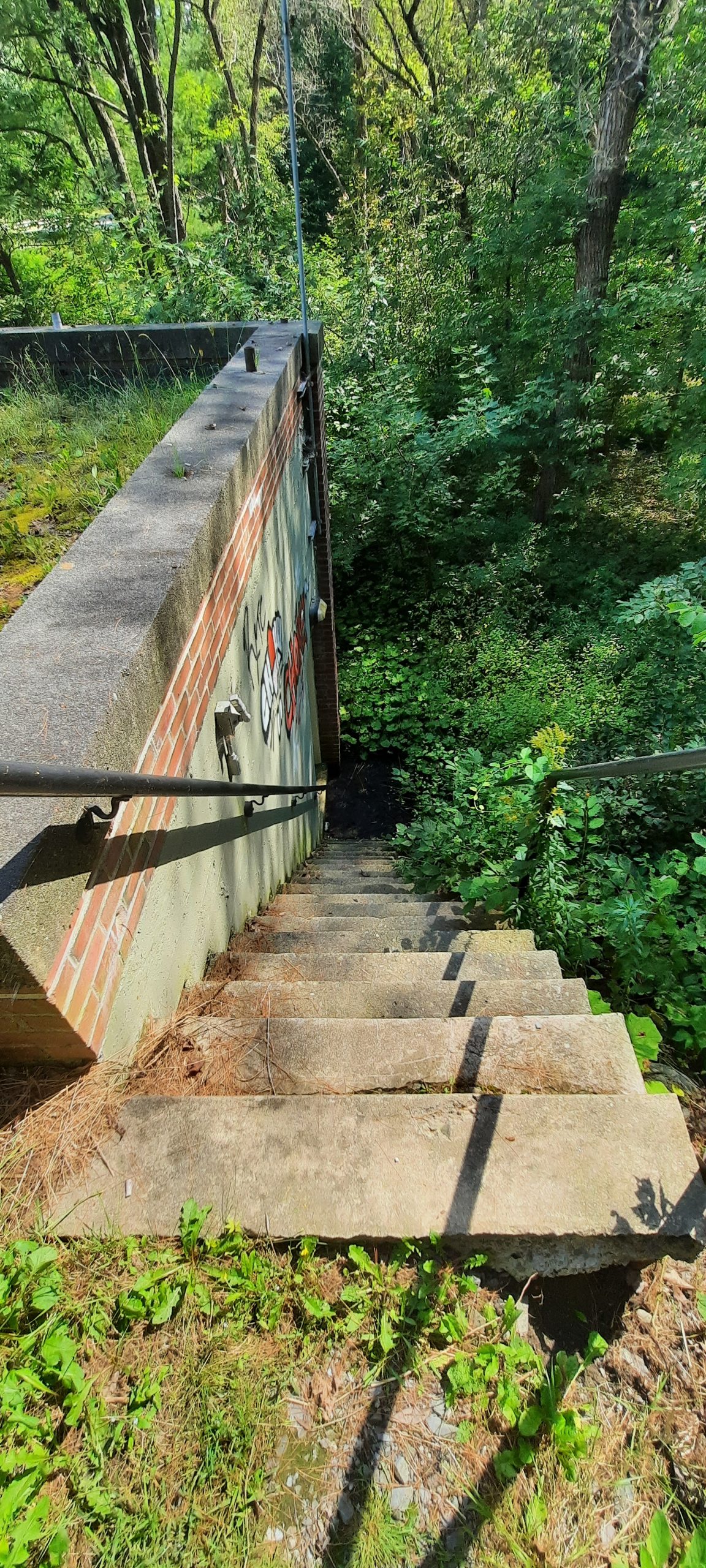
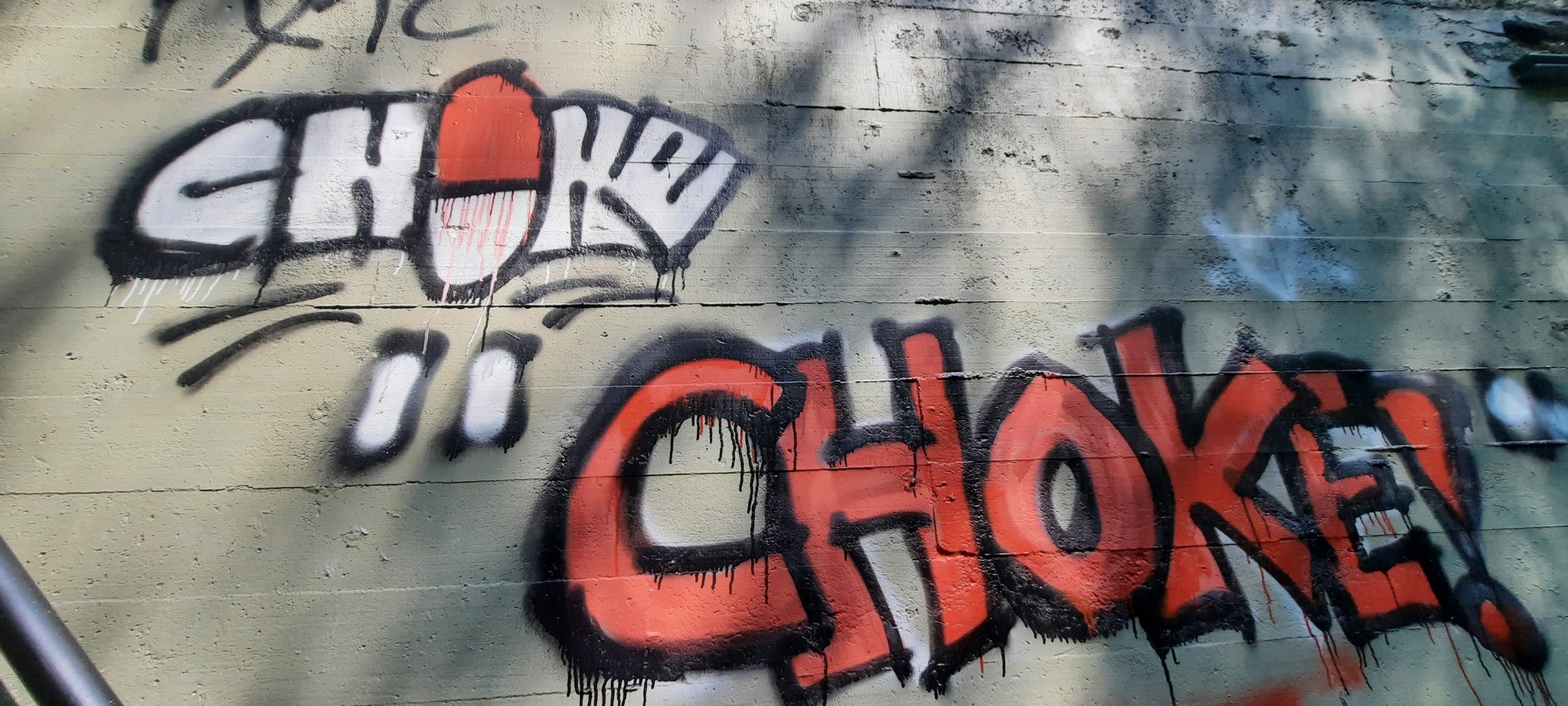
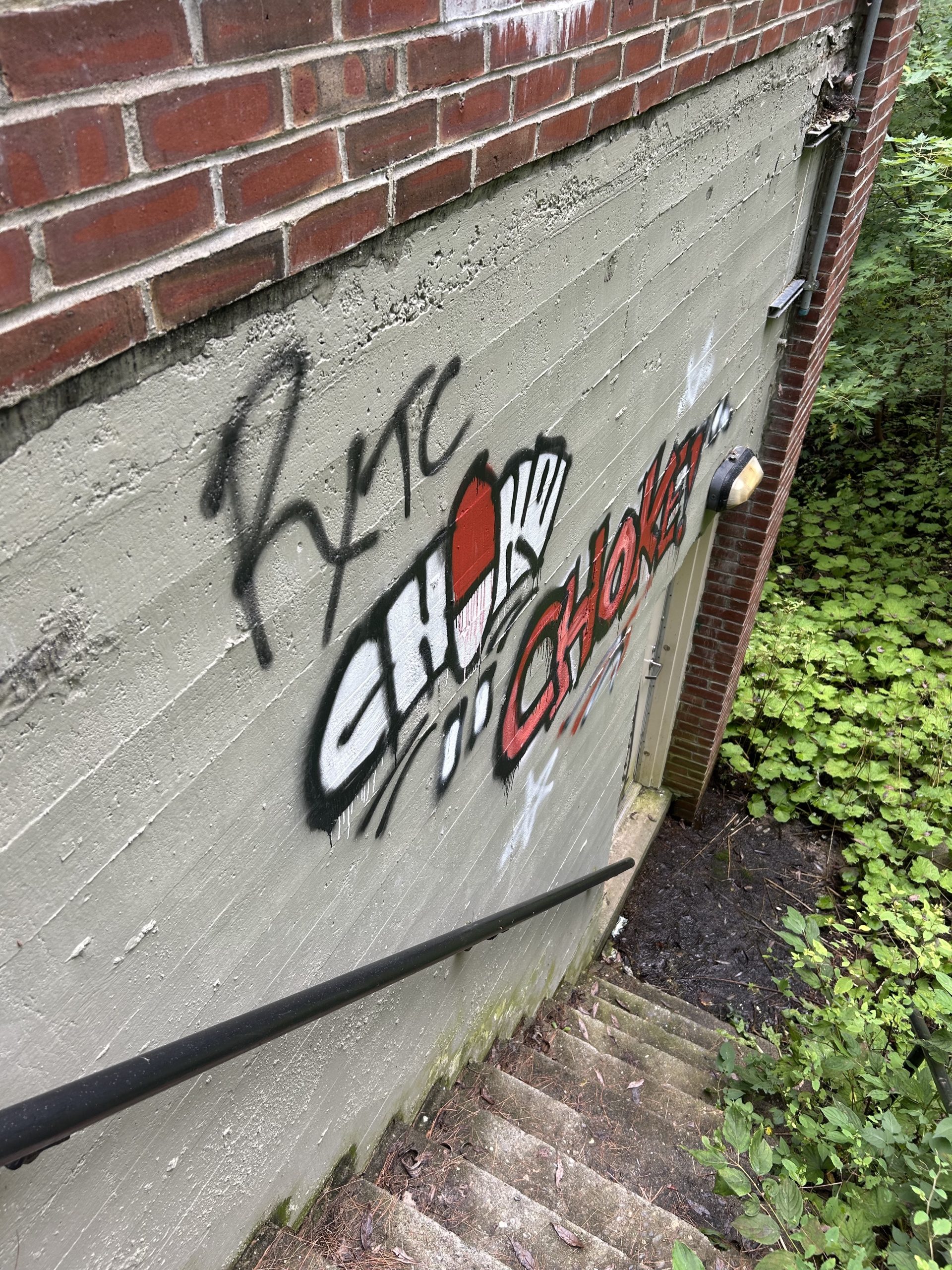
As these thoughts continued to spiral in my mind, I walked over behind the generator and saw something that made my stomach drop slightly. A set of steep stairs leading down to a wooded area with graffiti reading “choke” two times on the side of the wall. Did a killer write this? Is this where they pushed their victim to the death? My mind continued to race with questions about where I was standing and fear started to creep in. When I continued to look around, I realized this would be a perfect place to commit a crime. It is secluded enough where there are plenty of opportunities to hide a body or violently murder a person, but still in plain sight of cars and buses that pass entering campus. No one would truly know if something mysterious occurred right at this very spot. 

The question still remains nonetheless, what happened at 270 Mayflower Hill Drive and why was I led there?  

Word count: 389

Posted in Science of Crime | 1 Comment

Slippery Slope

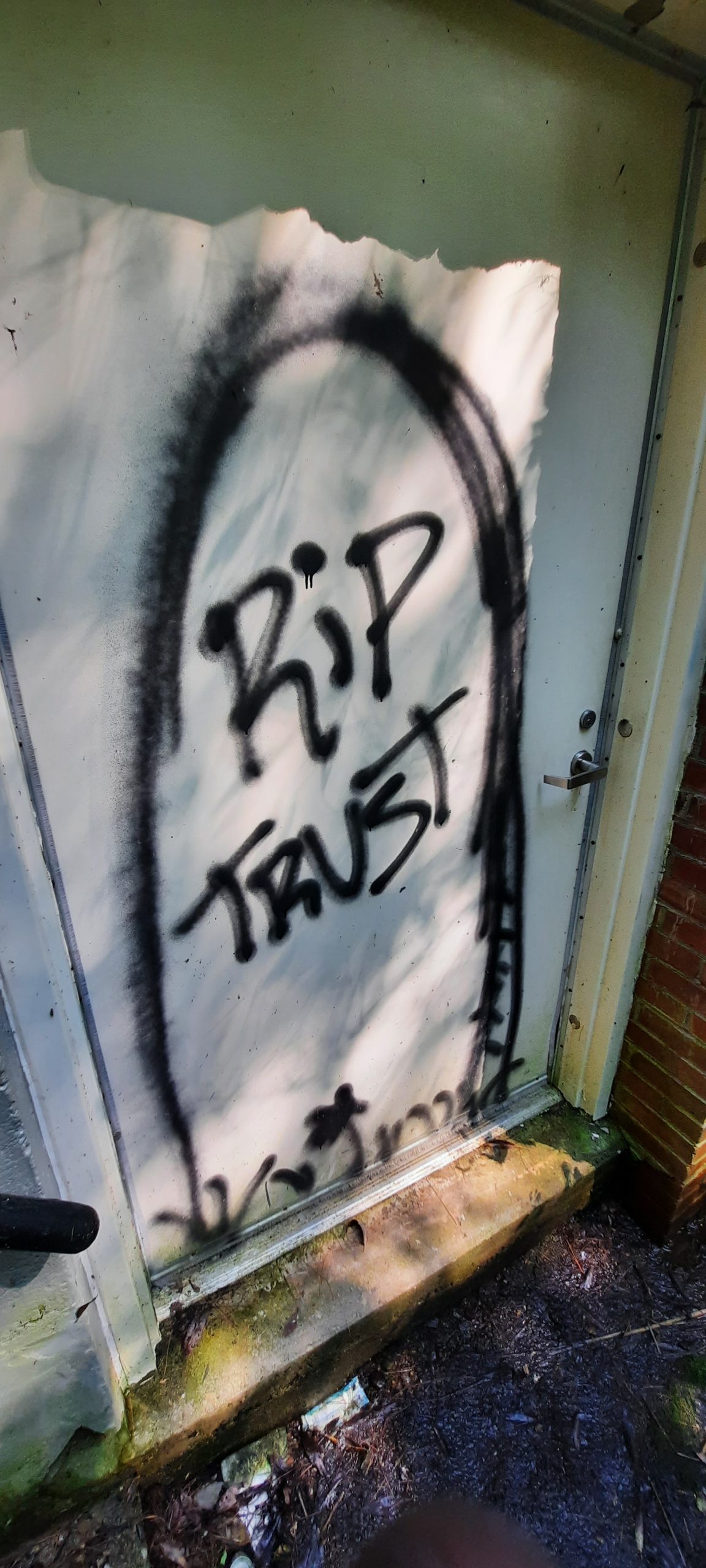
When I think of a crime scene I think I expected a dark damp area, with easy hiding spots and when I pulled off the sidewalk on mayflower hill drive I saw exactly that. Walking past the electrical box you see a set of very steep stairs that someone could easily fall down (or be pushed down). Being right on campus it’s weird to think that a crime could happen so close but the scene fits the profile. The scene has an electrical box next to a large stone platform with stairs going down to a locked door. The ground was wet and slippery, the walls covered with graffiti and cobwebs which made me believe even more that this could be a crime scene. The scene is very overgrown and out of place and seems like it would fit more in a metropolitan area, not something you’d see in rural maine.  The graffiti says “choke” and “rip trust”. I don’t know the meaning behind those but they definitely give the scene a much more sinister feeling. The spiderwebs also gave me the feeling that it wasn’t well maintained and people don’t go there very often leaving me thinking what could be behind that locked door. The thing that makes me have second thoughts about this scene is the difference between the actual scene and the surroundings. You are right on the sidewalk past the new arts center and it doesn’t seem like anything could happen there. The actual scene is very overgrown and out of place and seems like it would fit more in a metropolitan area, not something you’d see in rural maine.  If I was in a city and came across this scene late at night I wouldn’t want to go near it. It feels as if someone could be lurking at any moment. Overall I feel like there is a chance that a crime could have been committed there due to how it looks but I find it unlikely that something bad would have happened so close to campus.

Word Count: 342

Posted in Blog #1: Crime Scene | 2 Comments

So close…

When I first heard the assignment from Professor Millard that we had to visit and take a picture of a crime scene, I didn’t know what to expect. For me, hearing a crime scene makes me think of the Batman movies where Bruce Wayne and his family walk into a dark alley late at night full of trash and shadows and then get killed in a dinghy and crime filled city. What I wasn’t expecting was for it to be maybe a quarter mile away from the college campus I am living at.

When I first approached this spot, it seemed like any other spot just off of the road where some generators would be. It was only a couple feet off of the road and hardly looked like somewhere where something terrible could happen. It didn’t even look like a place where anyone would even walk past. It was just an open piece of land with some concrete barriers and generators. Looking further though revealed a staircase behind the generators that led down into the woods and to a locked door, walls and door covered in graffiti. The graffiti spelled out “CHOKE” and “RIP TRUST” creepily enough. This more fit my general expectations of what a crime scene would look like. This secluded area where it would be impossible to see anything, especially at night.

This area is so secluded that it begs one major question, why would anyone be there in the first place? Behind the staircase there was nothing, just a very thickly wooded forest, along with some rocky and uneven ground that I could barely even stand on to take the picture. Other than that there is just a locked door that likely just leads to something with the generators for maintenance. If this back area is where some crime happened, what would have led someone to be there? Also, what did those cryptic and creepy graffiti messages mean? Did they connect to the crime or were they just conveniently creepy set dressing? I guess we will see…

(word count: 342)

Posted in Blog #1: Crime Scene | Leave a comment

The Suspicious Silence of Rice Rips Road

My mind rushed as I exited the parking lot behind the senior apartments and headed for Rice Rips Road. Thoughts filled with all the possibilities of what I would find at the location of the rather cryptid coordinates. Would it be an old, abandoned building that had been lost to time or maybe an empty lot at the side of the road? My brain halted as I arrived at the unpaved gate at the start of a gravel path.

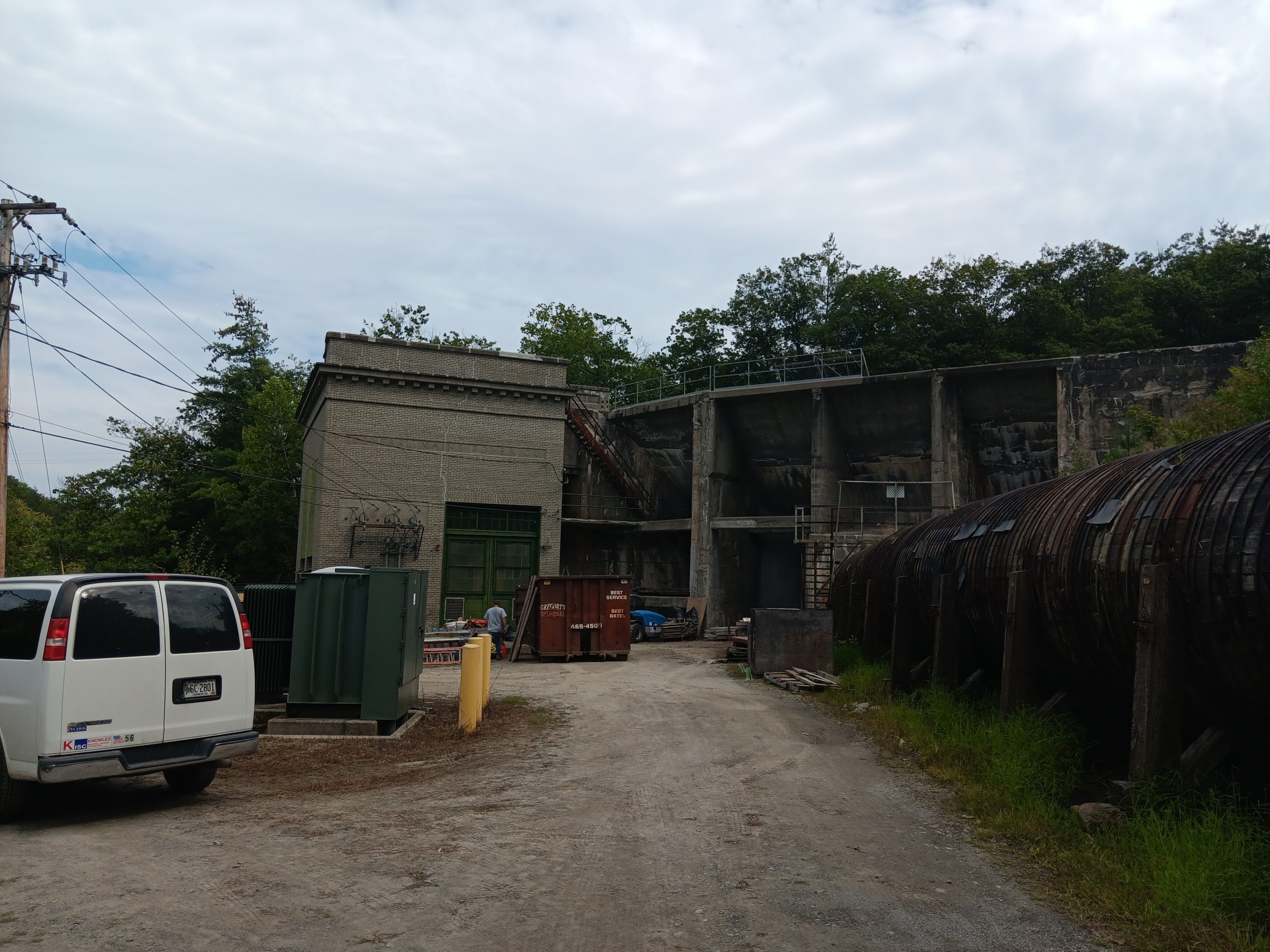
Upon arrival, the thing that caught my attention was that the location did not look like the scene of a crime, but it felt like one. I felt an overwhelming feeling of emptiness and uneasiness as I stepped out of the car. The coordinates led me to a place that was less than five minutes away from Colby’s lively campus, yet it was almost completely silent. All that I could hear from the entrance was the sound of rushing water that came from the large, dark wooded pipe. As I walked toward the large concrete structure that had been weathered by the rain, I heard the movement of gravel under my feet.

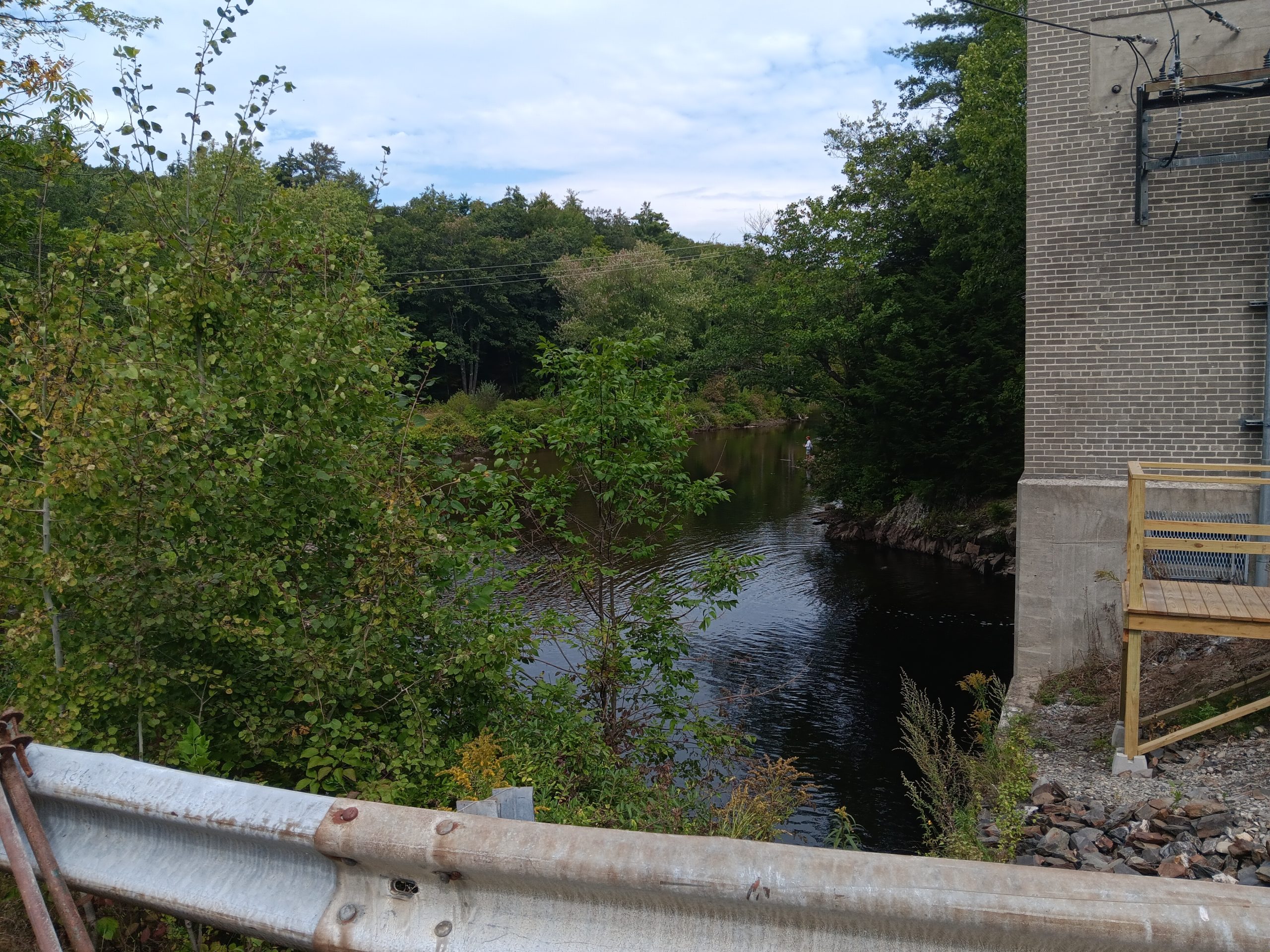
On one side of the concrete structure was a winding river with two men fishing, on the other side was the wooden pipe. Surrounding everything was some thick woods. As I got closer to the large structure my feeling of unease grew. Once I got close enough, I noticed four men working in the structure, I spoke to them, making sure I was not intruding on their work. To be courteous of the workers and their jobs, I took some quick photos before leaving without disturbing anything.

As I was leaving my mind began to bustle again with what could have happened in that place. Had someone fallen into the river and drowned or fallen from the top of the structure? Or could it have been something I can’t even imagine?

(323)

Posted in Science of Crime | 1 Comment

Stairs to the Pit of Hell

Less than a mile from my bed lies the most intriguing place I have ever seen. The wild weeds, overgrown bushes, and trees leading up to it would make you miss it if you passed it in a car. If you were to walk past it, you still wouldn’t think much of it. “It’s just generators and trees,” you might assume, but with the right amount of curiosity and patience, a cornucopia of mystery awaited me.

As I walked toward this mystery, I encountered a couple of joggers who I imagined were trying to take advantage of the hill to boost their fitness, but it seemed like the hill had started to take advantage of them. The blazing heat of the midday sun only made matters worse.

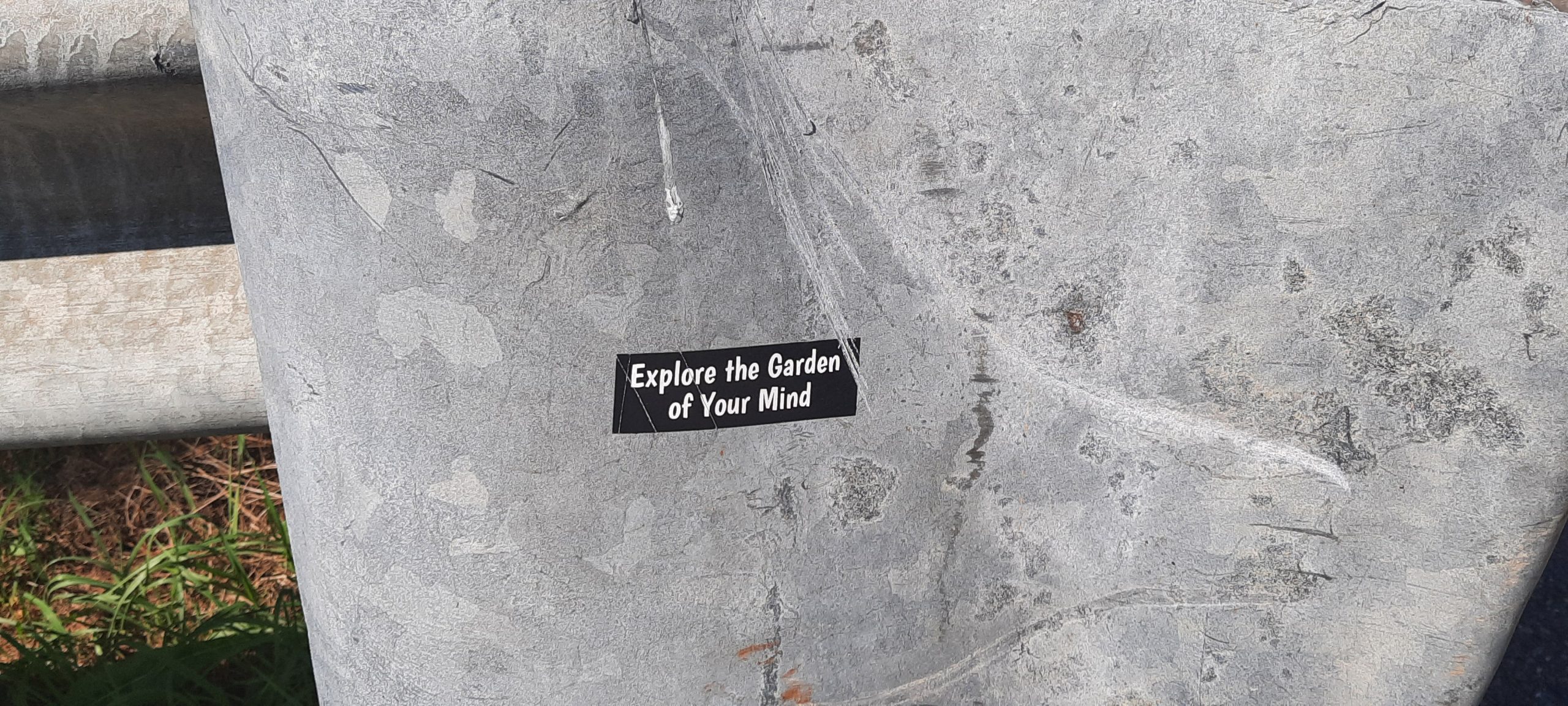
Guard rails surrounded the object of my investigation, but they couldn’t stop my thirst for answers. I found a sticker on one of the rails with vague but stirring words: “Explore the Garden of Your Mind.” It pushed me to look closer into the scene.

The clearing itself is not so out of the ordinary. However, when I walked a few feet to the back of the clearing, I discovered a flight of stairs that descended into what could have as well been the pit of hell but was simply the entrance to a building. I assumed that is where the generators were monitored and maintained, but on second thought, how could I be sure?

Slightly scary, graphically explicit illustrations of “Choke” and “RIP Trust” were plastered against the walls to which the stairs were built and the building door. These violent and tragic graphics could very well be based on teenage slang or a homage to a person named “Trust.” However, another likely, less agreeable, but more intriguing explanation would be that the “pit of hell” was the scene of some criminal acts.

It looked like the perfect place to commit a crime. The seclusion and density of the vegetation around it would make it the ideal place to bury evidence (perhaps a body), with the added advantage of fauna and the seasons potentially contaminating the scene. The generator monitoring room could be a kidnapper’s den hidden in almost plain sight. The generators are also very likely targets for vandalism.

However, this location could also be what it is: a clearing for the city’s gas generators.

(Word count: 394 words)

Posted in Blog #1: Crime Scene, Science of Crime | Leave a comment

Innocent Art?

Walking through campus, it seemed like any other Sunday. Some people going to get lunch, others taking advantage of the nice northern weather by playing games or studying outside. It was a little cloudy, but not enough to destroy anybody’s spirits. The weather has finally cooled off and some people are choosing to break out a sweatshirt or sweatpants for the first time this school year. As I make my way past the edge of campus and onto the main road, I am suddenly in a little bit more of a desolate area. I can already feel how this might be an adventurous location.

As I approach the destination, I am a little bit confused. I am just off of a college campus usually bustling with energetic students and faculty, but all I see are trees and overgrown grass. The people driving down the road don’t seem to notice a thing as they go about their everyday routines between campus and downtown Waterville. I finally go around the curve in the road and reach my coordinates, a slight clearing in the woods. What appears are two boxes, generators or something of that nature enclosed by a metal guardrail. At first I am confused, but then I catch a glimpse of the stairs at the far end of the lot.

I nervously peek over the edge and see the stairs that lead down to a door at the bottom, with walls that have graffiti on them. The graffiti says ‘choke’ 2 times on a white, cinder block wall. It makes me wonder if this was just innocent artistry late at night, or if an actual crime was committed at this site. Beyond this little complex, there is nothing but trees and wilderness. I can vaguely hear the cars drive past, but no one would ever suspect this spot for shady activities. It simply comes off as a service stop with generators. However, upon further exploration, there are signs that there might have been some ill advised antics at some point in time right off of the Colby campus. (347)

Posted in Science of Crime | 1 Comment

A Hidden Building

The crime scene that I chose to go to was very close to Colby. The location was along the road in front of Miller Library. As I ran through this road, I started nearing the end of campus near the president’s house.  On both sides of the road ahead there were fields of ankle-length grass that extended several hundred meters followed by many tall pine trees. Further along the road the trees got closer to the road and eventually they were cut off by a thick but short metal fence that extended for a couple meters. Right in the middle of this fence there was a big opening where the fence would go into the forest. I had reached the crime scene.

Looking around I could see that the fence was concealing two metal boxes that I assumed were electricity generators.The first generator, which was closer to the road, was long and short while the second generator closer to the woods was tall and skinny. The ground where these generators stood was clearly man-made and it had a pattern of repeating squares. These squares had small crevices in between them where some dirt and overgrown grass had grown. As I approached the second generator I could see that to its left there was a staircase leading downwards towards a building underneath the generators. This building was made of old red bricks and it had some graffiti on it. However, it is clear that no one has been down that staircase in recent times because at the beginning of the staircase there was a spider web with its spider right in the center, eating a relatively smaller spider. If it had not been for this act of cannibalism by the spider I might have tried to go down the stairs and explore the building a bit more. 

When I left the scene I was left wondering what the story behind this building was? Had it been a local hangout spot for teenagers as the graffiti seems to suggest? And if so, was there some occasion when these hangouts went too far to the point where there might have been a major crime committed such as a murder?

(367 words)

Posted in Science of Crime | 1 Comment

Water Wipeout?

As I attempted to make my way towards an unknown set of coordinates I passed a storage facility, drove through a neighborhood of single-family homes, and crossed a railroad track.  As I got closer, I couldn’t help but notice a massive wooden pipe that snaked beneath the road and into the woods as far as I could see, becoming more overgrown along the way. When my GPS told me to turn right without sharing a street name, I was confused yet turned down the dirt path. After parking near a yellow gate, I continued on. 

As I walked, the large pipe I’d seen earlier continued beside me. Now that I was next to it, I could see that it was taller than me, held together by metal wires with wooden supports, and was dripping water frequently. I inferred that it must be an old water pipe. I also couldn’t help but think that despite seeing many houses along the way, there were no longer any in sight and the only sounds were the birds. 

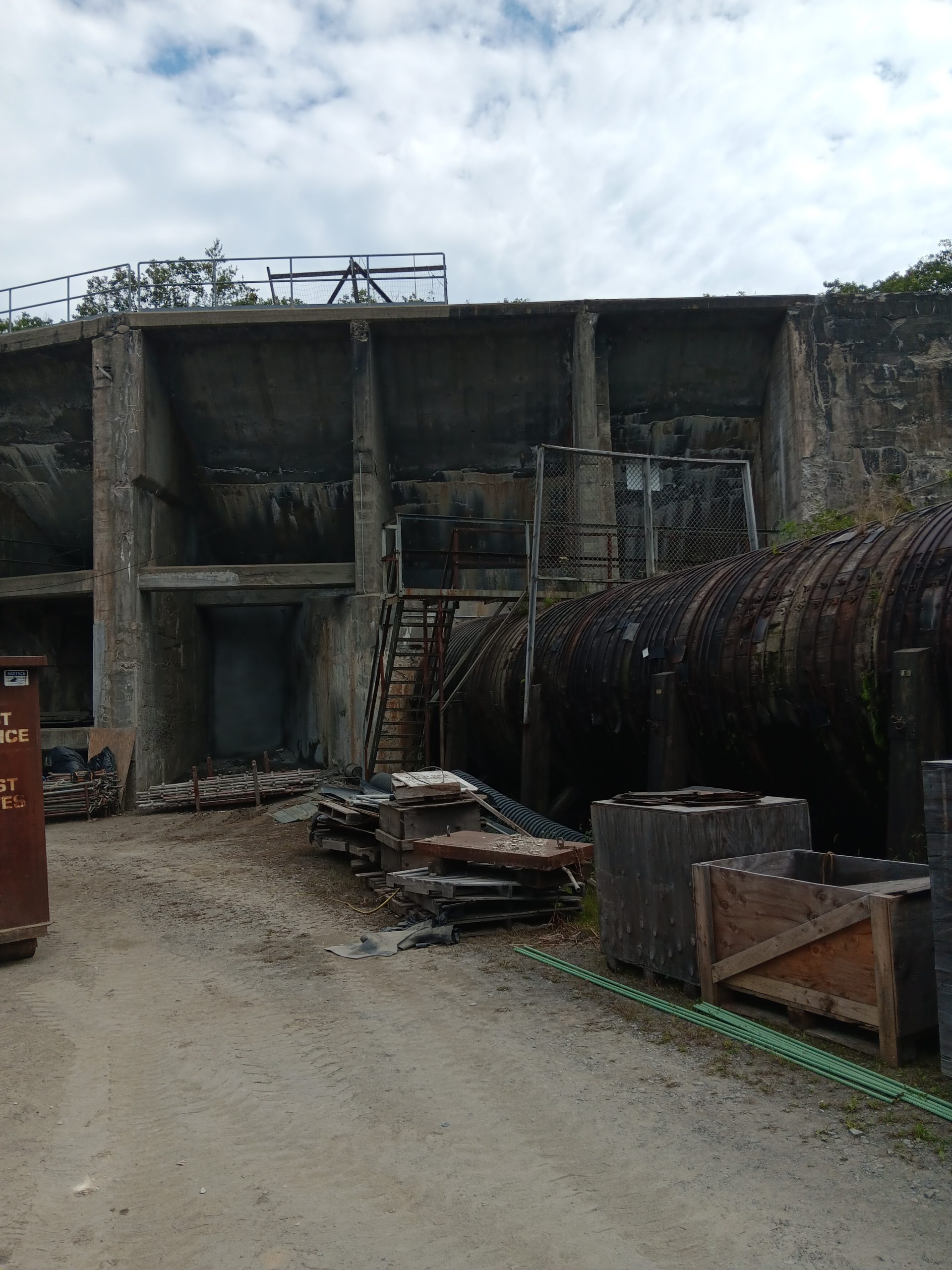
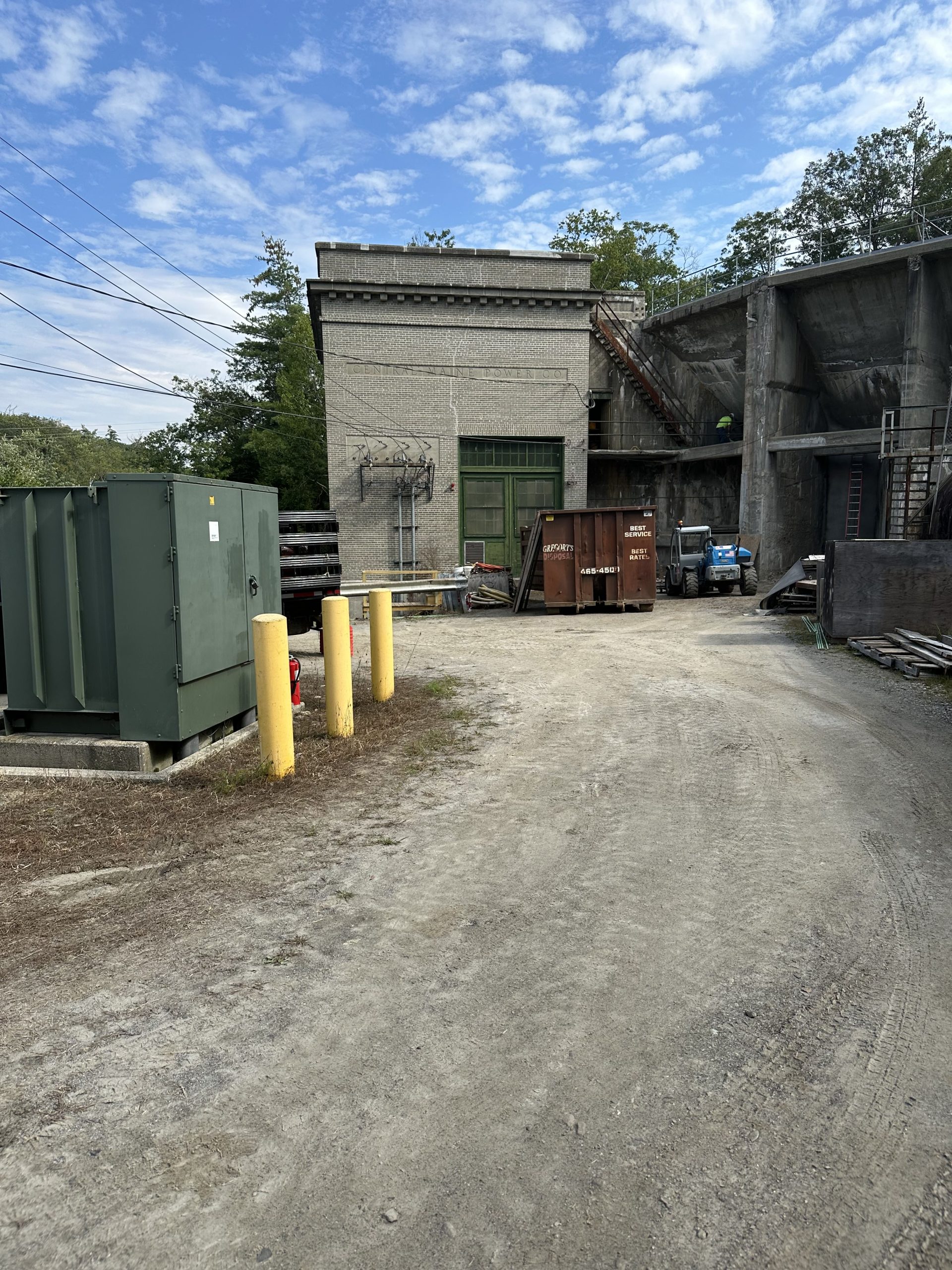
As I continued the pipe remained alongside me. Eventually, I reached a clearing where I could see a tall but not particularly large gray brick building with dusty green windows and masses of power lines running to it. The words “Central Maine Power Co.” were engraved near the top. Next to the building I saw a large concrete structure I originally thought was a dam. 

As I surveyed the area, I noticed some workers. They shared that the large gray structure was not just a dam but a reservoir. This reservoir fed water through a drain into a turbine in the gray building, which was a power station. 

Thinking about crime, I glanced back at the reservoir and thought of how easy it would be for someone to fall in. That is when I noticed a small railing covering only part of the reservoir. I couldn’t help but wonder if this had been installed as a precaution or a reaction to a tragedy that had happened here previously. 

If someone had fallen into the reservoir, what happened to them? Did they become sucked into the drain of the reservoir? Would they have been dragged through that massive pipe? There was also a nearby river. Is that where the entrance to the pipe is? Is that where something that fell into the reservoir would be found? (399)

Posted in Science of Crime | Leave a comment