Based purely on the display of my copy of The Friendship of Nature by Mabel Osgood Wright. It can be assumed that the book was intended for an affluent audience who would have perhaps been more inclined to seek books that were aesthetically pleasing. As seen on the outside binding of the book, there is golden ink engraved into the book, giving it an elegant and inviting look. While it makes sense to portray an illustration depicting nature, the book cover being designed with a beautiful and polished golden ink makes it seem very sophisticated and suave. The very tops of the pages are shiny and golden as well; they make the book look expensive and chic, as they ensure the book does not appear dull. The sleek appearance of the book almost discourages any overuse of the item; it asks for it to be displayed visibly, not tattered or otherwise damaged. Based on this outward form, perhaps some purchasers bought the book not necessarily to adamantly scour, but as more of a light read to put on the shelf for the majority of its life after being finished.
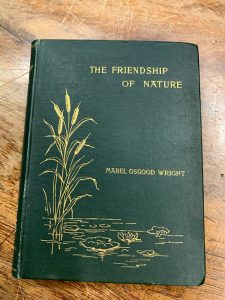

The size of the book may also be an important aspect when deducing the intended audience for Wright’s work. It’s small, easily able to fit in a hand, tuck under an arm, or be put in a bag. This displays the type of use the book was intended for: it inspires one to take it outside and sit down in nature while reading the lyrical novel that brings the natural world into life. For this reason, I believe the book was likely meant for those who have the time to appreciate the outside world in a relatively privileged way, as they can understand nature without the stress of constantly working in it or having to work indoors away from it. While this may be a stretch, the size and elegance of the book give off a feminine ambiance, as it may have been purposefully designed to catch the attention of women, like Wright herself, and inspire them to read about the wonders of nature. Based on this, it is possible the book was designed to capture upper-class women, who had time to bask in nature and perhaps even take up gardening, like Wright’s family did.
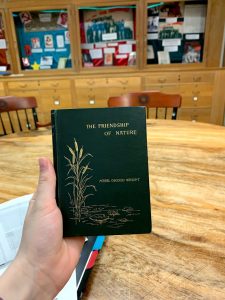
Due to the appearance of the book and the generally light material within it, it may have been a perfect gift for those whom it was aimed towards; if someone was known to be taken by nature or aspects of the natural world, they would have probably loved to receive The Friendship of Nature as it celebrates what they’re interested in. There’s nothing controversial or problematic about the text, meaning it could have been shared among families from all walks of life in the late 1800s when it was published.
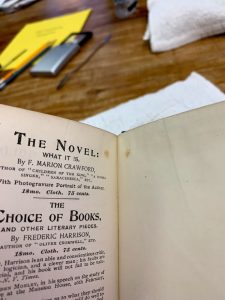
Referring back to the unique relationship between Wright and the MacMillan Publishing Company we have already explored, the book that began as an opportunity given to the author by an already successful and big publishing company was made sure to bear the name of the publishers loudly for readers to know. The last multiple pages of the book are the complete works of MacMillan and Co., which would have been a marketing strategy to send the message to readers that if they enjoyed The Friendship of Nature, there are many other books they should consider purchasing, all published by themselves. Through this lens, this copy of Wright’s book was sold in part as a way to encourage the success and spread of MacMillan and Co. through America.