
Amanda Millatt

On January 21st, 2013 at 5 pm my anatomy and physiology class embarked on a journey to the Alfond Center for Health. This newly constructed hospital located on Old Belgrade Road in Augusta, Maine opened on November 9th, 2013 (Edwards, 2013). This hospital is a $312 million facility part of MaineGeneral Medical Center. The Alfond Center for Health consists of 192 beds in single occupancy rooms and employs approximately 1,700 people (Edwards, 2013).
My class of 18 students travels about 20 minutes on a yellow school bus to get to the Alfond Center for Health. As we approached the approximately 64,000 square-foot facility I could not help but think that the modernized to almost futurist architecture completely modified the atmosphere of the hospital (Edwards, 2013). The welcoming building was painted a mellow green, thus the building is perceived by the guest as calming rather than terrifying. The building also utilized windows, which stretched from the roof to the ground. The entrance also welcomed guest with an abundance of plants and benches. The whole class gazed at the building and then processed into the building stopping at the front desk.
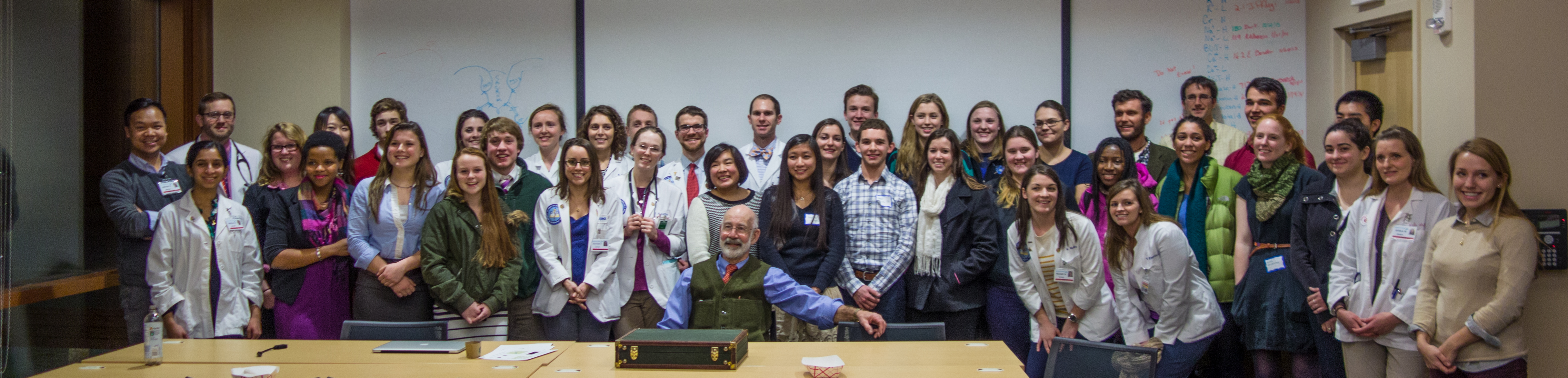
The inside of the hospital continued the natural , calming atmosphere with earth toned walls and decor. The employees had a soothing smile as they walked past our large group. At that point I was convinced that I was no longer in a hospital. A traditional hospital would have an eerie and reserved aura that causes patients to feel uncomfortable. We continued to create nametags while sauntering up the stairs. The hallway was lined with plaques about the history of healthcare in the region leading up to the construction of this building. We followed it to a moderately sized conference room filled with residents of the University of New England Medical School. There we were split up into tour groups; we were organized into groups of four Colby students and two medical school students. My tour group started at the welcoming building’s front desk. Our guides informed us that the purpose of the building design is to have the patients feel that they are closer to nature, which will help with their rehabilitation. I agreed with that, the hospital embodied nature even before you stepped into the door.
While walking to our next destination, out patient rooms, I noticed that my tour guides had a badge attached to their stark white lab coats that read “D.O”. I had never seen or heard of that acronym before now. So out of curiosity I asked “ What does D.O stand for?”. The tour guides did not look astonished or insulted as I originally expected them to, instead one responded that a D.O is a doctor of orthopedic medicine. They continued with saying that this type of doctor is taught everything that a M.D is taught, however they focus on more on healing through massaging tissue rather than medicating their patients. I found that the technique of D.O’s are more logical than modern medicine practices, which made me wonder why D.Os weren’t as common as M.Ds. All that I could conclude was that the Doctors of Orthopedic Medicine are the most sensible choice for the modern appeal that the Alfond center desired.
We then continued to the peculiar out patient rooms. The rooms’ front wall was replaced with a larger, clear sliding glass door; this was unlike other examination rooms. I had always felt confined in the small windowless examination rooms at my own hospital. These rooms were spacious and colorful, however the windows created openness to a room that I felt needed more privacy. I was afraid to ask if the doctors felt pressured or awkward while examining patients because anyone could see their performance.
We only went to two other areas on our tour; the doctors on call rooms and the cafeteria. There were about six rooms for the doctors that are needed by the hospitals in the early mornings or at unusual times at night. These rooms were equipped with a flat screen television, computer, bed, bathroom, desk and telephone. The room may have been simple, but it was successful in serving its purpose. As the guides discussed the purpose of the rooms, I realized the hectic and unorganized life of a doctor. Doctors sometimes have to spend days at the hospital without seeing their family or getting a break. I had always wanted to be a surgeon; nevertheless I do want to have a family and social life separate from my career. After being in this hospital for an hour I had completely changed my perspective of hospitals and my future.
Our final destination on the tour was the cafeteria. The cafeteria was brightly lite and painted vibrant colors. The tour guides told us that we will find a table and they would continue to answer questions about the healthcare field. We sat at a rectangular table that was far away from everyone in the room and the question segment of the tour commenced. To break the silence, I asked about the process of applying to medical school. One of our tour guides told us about applying through a medical school common app, tips for the interview and selecting a medical school to attend. Then she talked about how some of her peers applying to medical school did not apply after completing their undergraduate degree. Some traveled around the world and others decided to play sports. They all decided that they needed a break before going on the stressful path of becoming a doctor. I had not considered taking a break, but the popularity of this option had increased among pre-med students. She continued with saying that some medical schools appreciate that the applicant has more real world experience because this shows that they are confident about attending medical school. After about an hour of small talk it was time for the grand rounds, which are presentation about medical case studies by high school students from Kent Hill and Colby College students. Our tour had ended and so did my naive perception of healthcare.
I did not realize that this class trip would teach me so much about doctors and hospitals in general. I have always thought of hospitals as creepy and daunting because of my hospital’s design. After visiting the Alfond Center of Health, I can now see that the future of healthcare is bright. If more hospitals renovations were inspired by the Alfond center than more patients would not be as anxious to attend routine examinations. I also learned that I needed to critically think about my future as a doctor. I have always wanted to be a surgeon, but the long days and stressful medical school education caused me to reconsider. I am only a freshman in college; I still have time to reconsider my life choices. I am glad that I was able to have this experience; it has changed my life.
Resources
1. EDWARDS, KEITH. “MaineGeneral Opens Alfond Center, Naturally.” Portland Press Herald. N.p., 29 Sept. 2013. Web. 04 Feb. 2014. <http://www.pressherald.com/news/mainegeneral-opens-alfond-center-naturally_2013-09-29.html?pagenum=full>.