Forgers have created hundreds of inauthentic works, only a handful of which have been successfully identified by the art world. Below are some samples of paintings, sculptures, and objects that have indeed been proven to be forged.
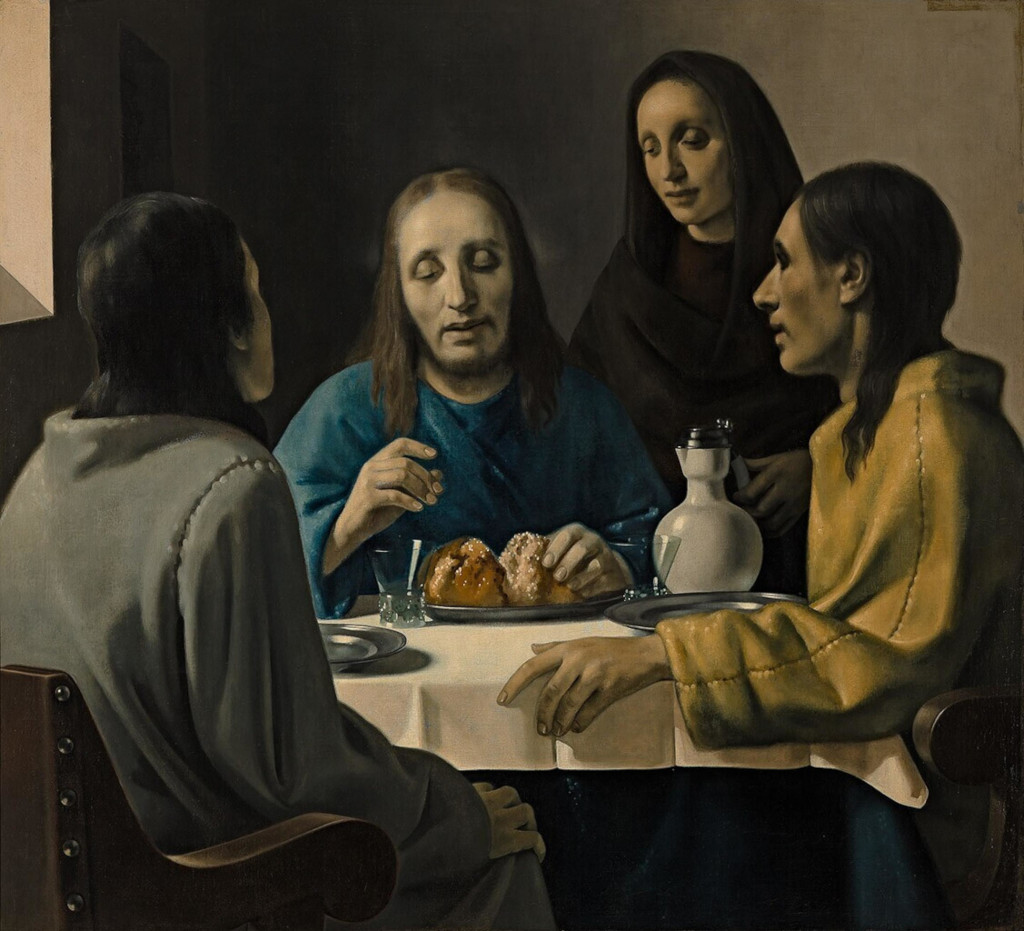
Christ and His Disciples at Emmaus
Han van Meegeren in the style of Johannes Vermeer, Christ and His Disciples at Emmaus, 1936-37. Oil on old canvas.
Around the time of World War II, van Meegeren painted several “Vermeers” and other forgeries. He got into legal trouble for selling such important works to Nazis, and in order to prove his innocence, he created another “Vermeer” under police supervision.

Head of Christ
Han van Meegeren in the style of Johannes Vermeer, Head of Christ, 1940-41. Oil on canvas.
This is another example of a “Vermeer” by Meegeren. His choice of religious subject matter is interesting, as it is not common for Vermeer, although it aligns with a theory about a lost era of Vermeer’s work.

Portrait of a Woman
Elmyr de Hory in the style of Amedeo Modigliani, Portrait of a Woman, c. 1975. Oil on canvas.
Elmyr de Hory created many inauthentic works in the style of Modigliani, which were frequently accepted as real because of de Hory’s own artistic talent.
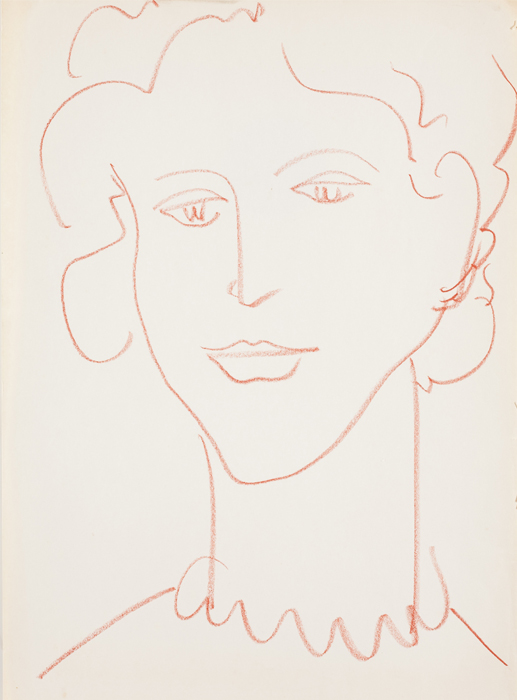
Portrait of a Woman
Elmyr de Hory in the style of Henri Matisse, Portrait of a Woman, 1974. Crayon on paper.
One of de Hory’s many techniques was creating drawings in the style of famous artists. The drawings did not directly reference specific works by these artists, but their styles as a whole, making the forgeries harder to detect.
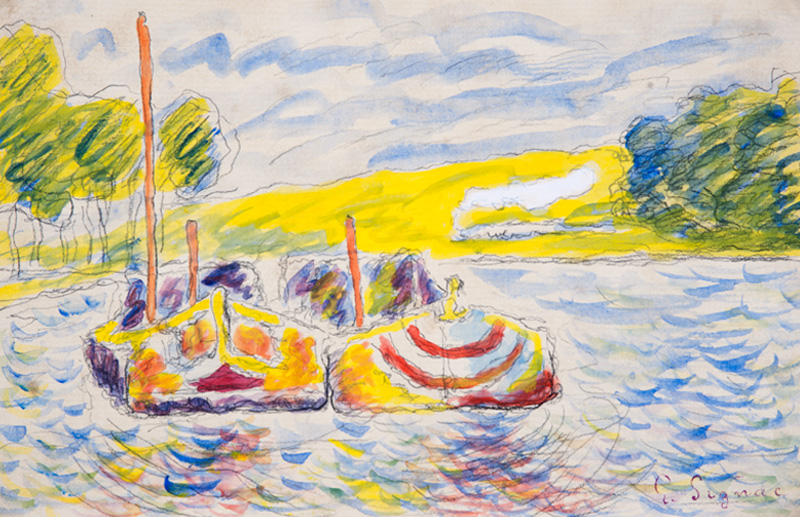
Untitled
Mark Landis in the style of Paul Signac, Untitled, late 20th c. Watercolor on paper.
Mark Landis is another versatile forger who created works in the styles of many different artists.

Women Seated on Lawn
Mark Landis in the style of Charles Courtney Curran, Women Seated on Lawn, c. 2000. Oil on pressed board.
Landis was capable of working skillfully with many different media.
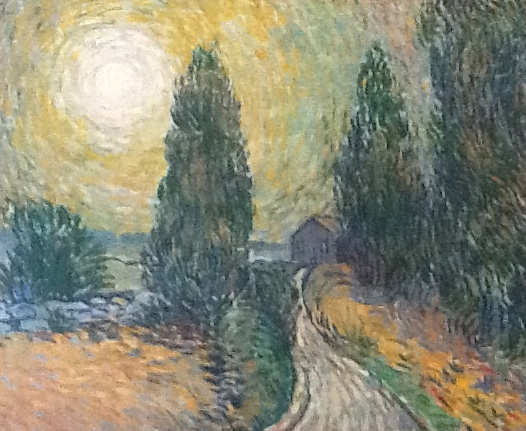
Landscape near Auvers
John Myatt in the Style of Vincent van Gogh, Landscape near Auvers, 2011. Oil on canvas.
Myatt forged works inspired by several artists which he sold to several museums and auction houses—many of his hundreds of forgeries have not yet been discovered.
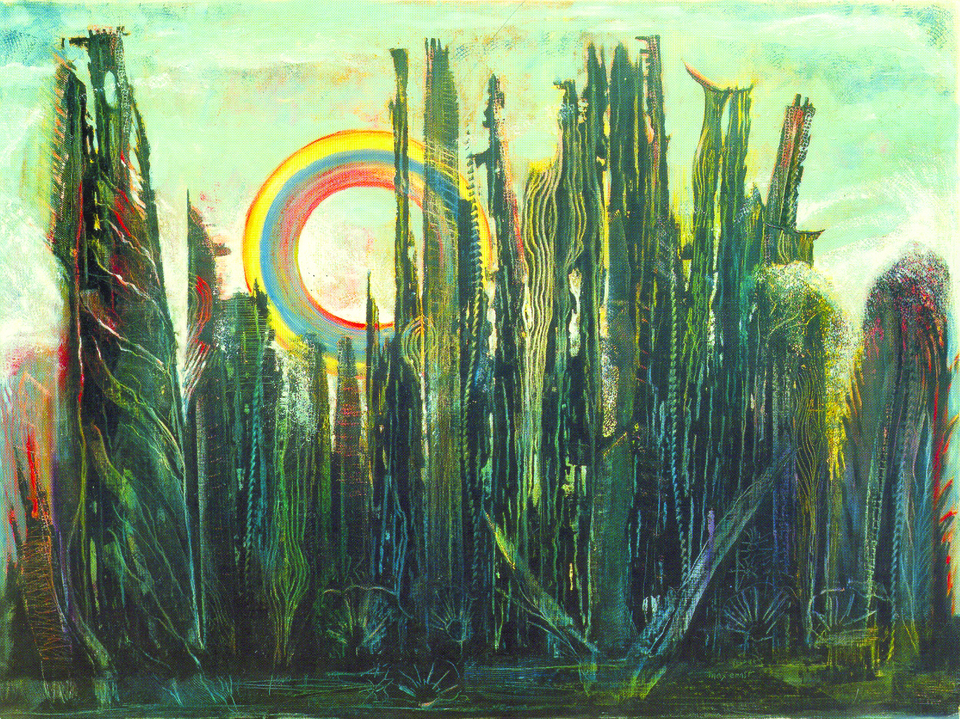
La Forêt
Wolfgang Beltracchi in the style of Max Ernst, La Forêt, c. 2000. Oil on canvas.
This work is inspired by the many works Max Ernst which depict forests. Beltracchi fooled museums and galleries by painting works that appeared to be part of Ernst’s series, without being direct copies.

“Rothko”
Pei-Shen Qian in the style of Mark Rothko, c. 1994. Oil on canvas.
This was one of the many forged modern paintings that sparked the downfall of the esteemed Knoedler Gallery in New York.
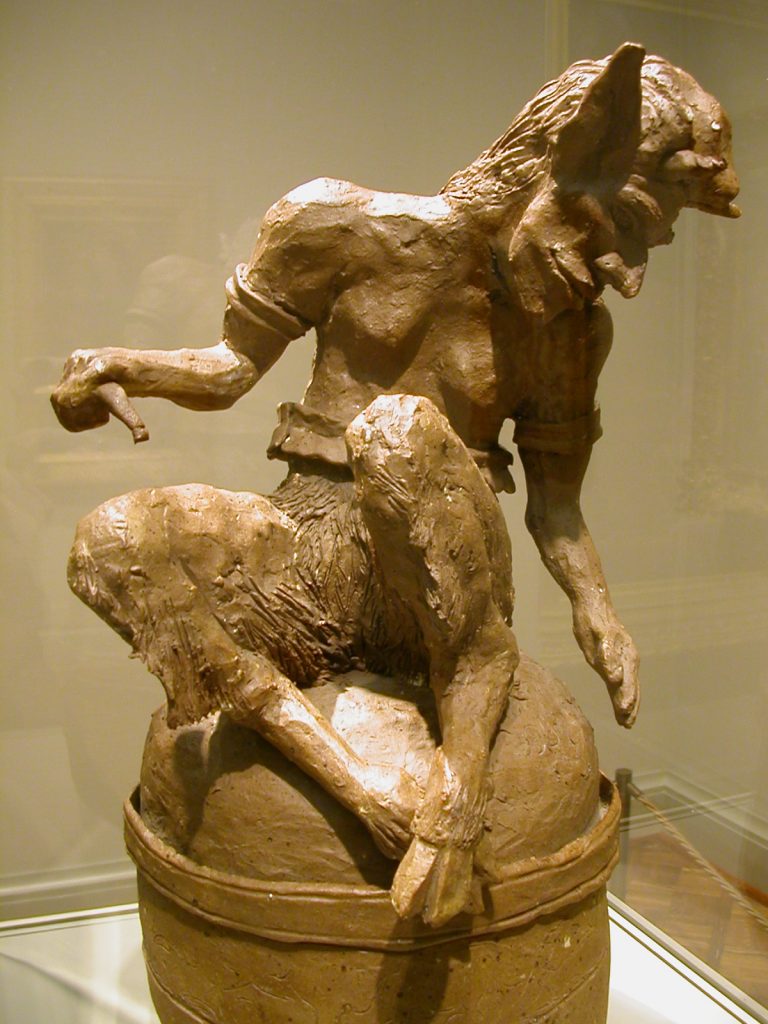
The Faun
The Greenhalgh family in the style of Paul Gaugin, The Faun, 1994. Ceramic.
This ceramic sculpture is one of hundreds of forgeries created by the Greenhalgh family, whose work remains in many museums today. They often used the provenance trap to fool experts into believing the authenticity of their works via forged documents.
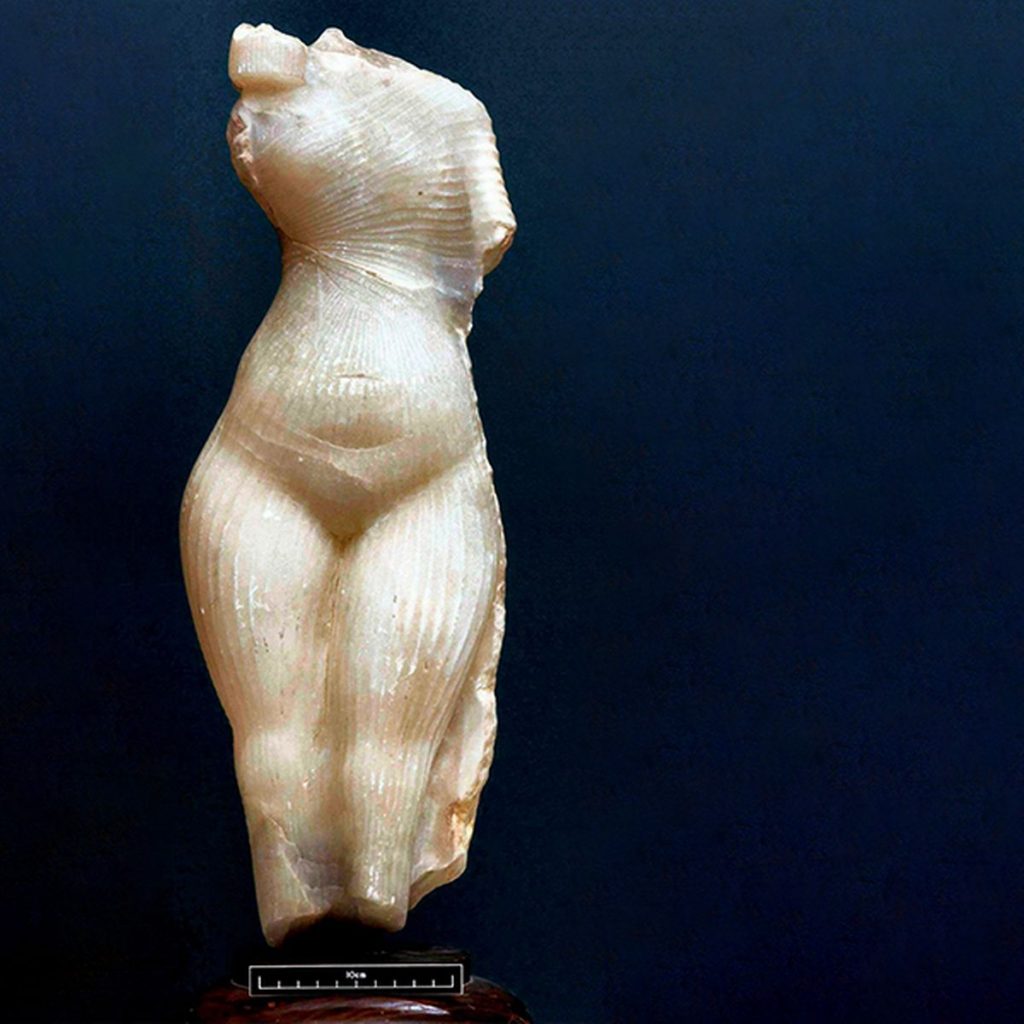
Amarna Princess
The Greenhalgh family in the style of an ancient Egyptian artifact, Amarna Princess, 1999. Alabaster.
Not only did the Greenhalgh family produce forgeries of known modern artists, but they also forged many objects purported to be remnants of ancient civilizations.
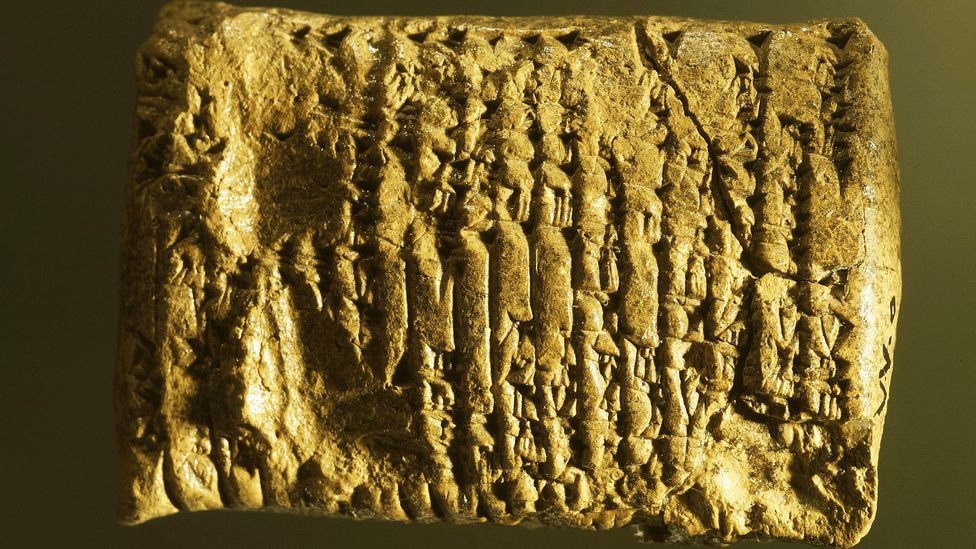
Cuneiform Tablet
The Greenhalgh family in the style of an ancient Assyrian artifact, Cuneiform Tablet, c. 2000.
This forged tablet brought the downfall of the Greenhalgh family as it was discovered that there were misspellings in the cuneiform.
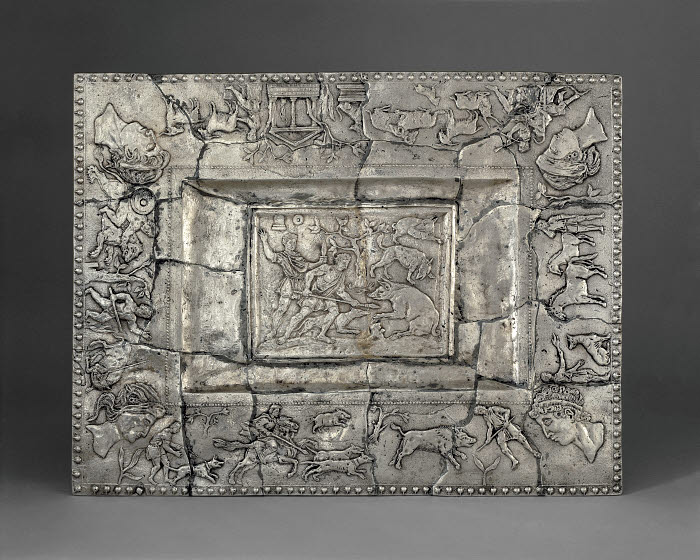
Risley Park Lanx
The Greenhalgh family in the style of an ancient Roman artifact, Risley Park Lanx, 1992. Silver.
This object was created by melting down real Roman coins, creating the platter, breaking the platter, then reassembling it to match the records of a lost platter.
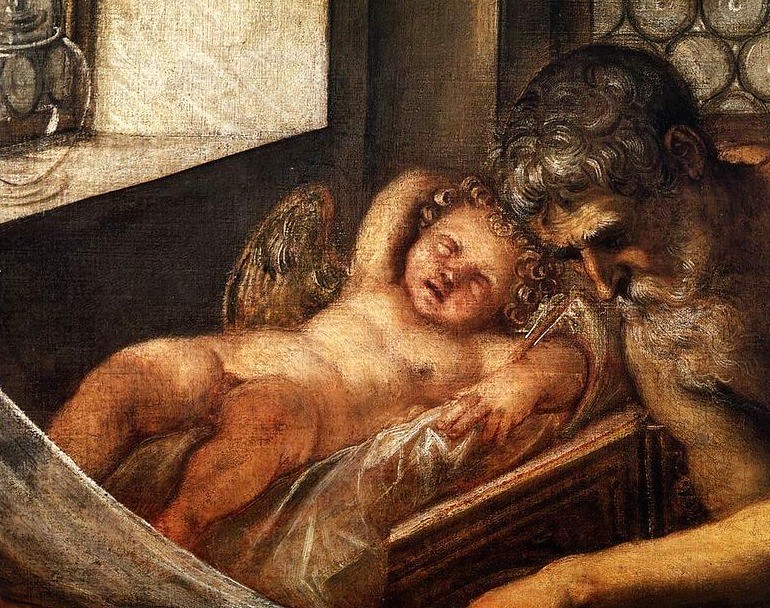
Sleeping Eros
Michelangelo in the style of ancient Roman statue, Sleeping Eros, c. 1495, marble statue.
Before gaining fame himself, Michelangelo created forgeries, one of which being a marble statue of Eros sleeping, made to resemble an ancient Roman statue. This image is a detail from Jacopo Tintoretto’s Mars and Venus Surprised by Vulcan (1551-1552), which has been compared to the form of Michelangelo’s lost work.
By Julia Pfau