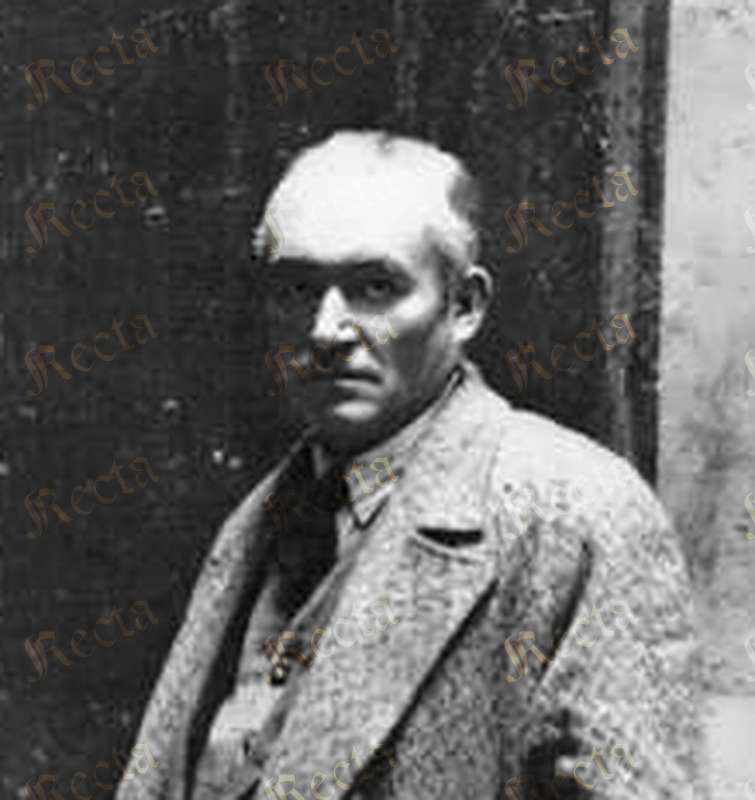
Facing a dire financial situation at the beginning of WWI, Italian sculptor Alceo Dossena began crafting forgeries of Medieval and Renaissance sculptures. After buying one of Dossena’s forgeries and only realizing he had been duped after carefully inspecting the object, art collector Alfredo Fasoli offered to form an alliance with him. After the war, the two set up a workshop in Rome. While Dossena crafted his forgeries, Fasoli used his connections to sell each work for a small fortune, giving only a sliver of the profits to his partner. It wasn’t until 1928 that Dossena realized he was being duped and decided to bring Fasoli to court, arguing that he had only been making antique-style works, and it was Fasoli who was selling them under false pretenses. Initially, Dossena’s case was challenged by connoisseurs who refused to believe the works were fakes. Though Dossena was eventually able to prove that the masterful works were indeed forgeries, he never received a penny from Fasoli and only managed to lose his only source of income through the debacle by alienating his partner.
By Whitney White
Sources:
Charney, Noah. The Art of Forgery: The Minds, Motives and Methods of Master Forgers. London: Phaidon, 2015.