Below you will find a selection of copies and works inspired by other artists. For centuries it has been a common practice for artists to make copies of existing works as a way to practice. Some of the examples are more faithful to the original. Others take certain artistic liberties in their replication.
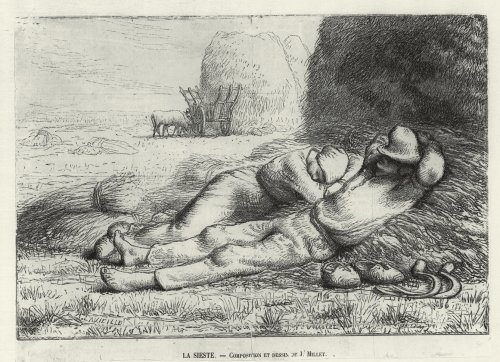
Jean-François Millet, Noonday Rest, 1866. 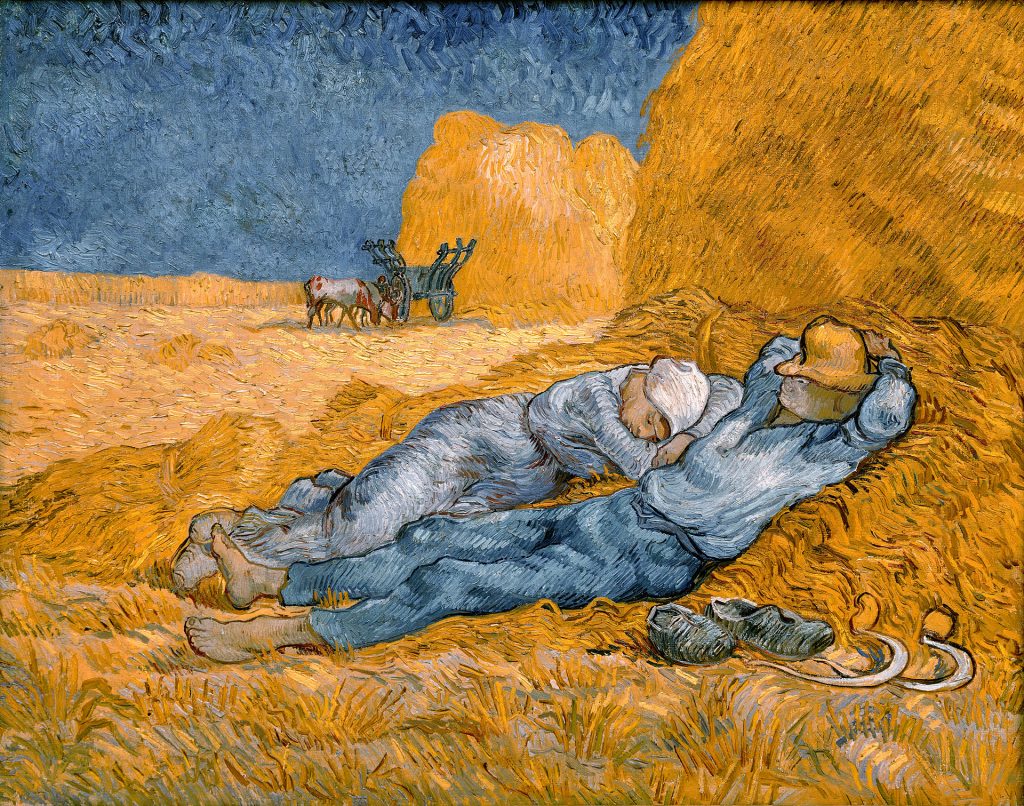
Vincent van Gogh, Noonday Rest (after Millet), 1890–91.

Émile Bernard, Women in the Meadow, 1888. 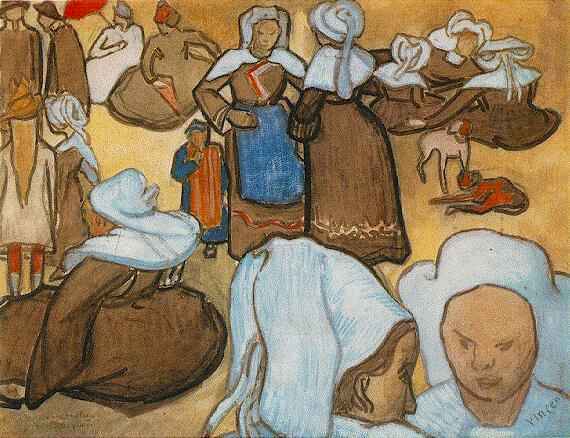
Vincent van Gogh, Women in the Meadow (after Bernard), 1888.
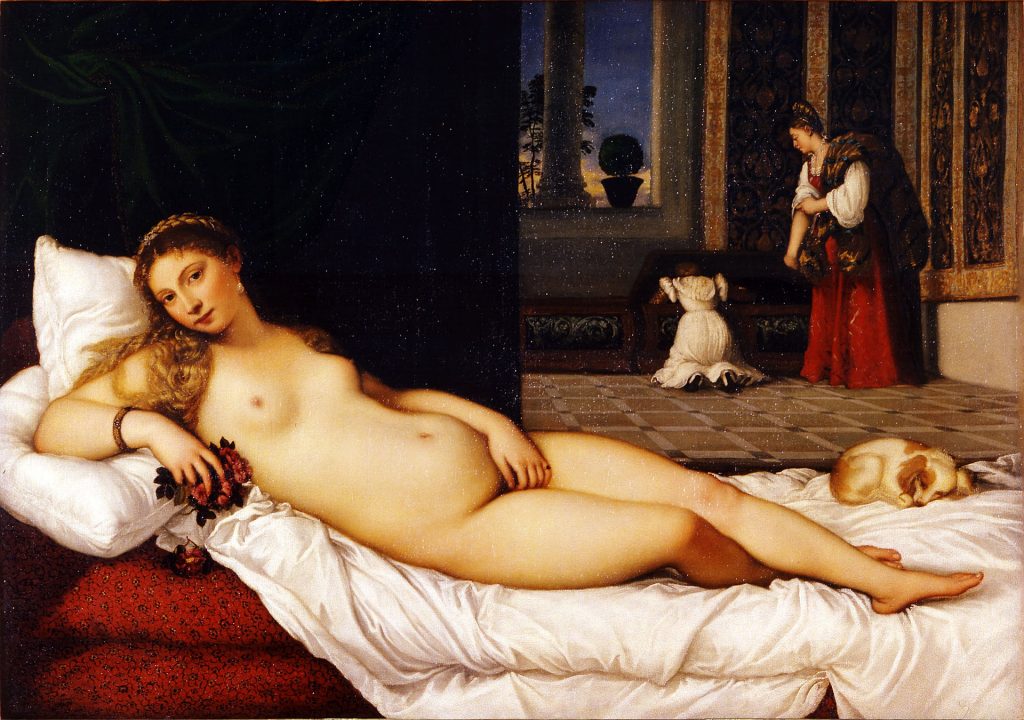
Titian, Venus of Urbino, 1534. 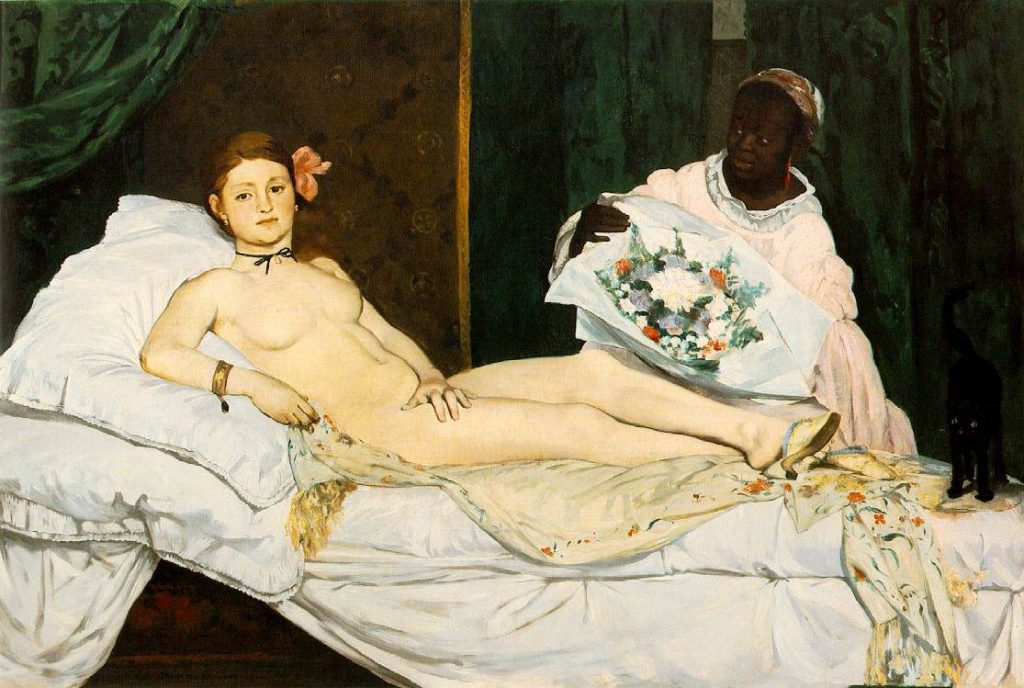
Édouard Manet, Olympia, 1863.
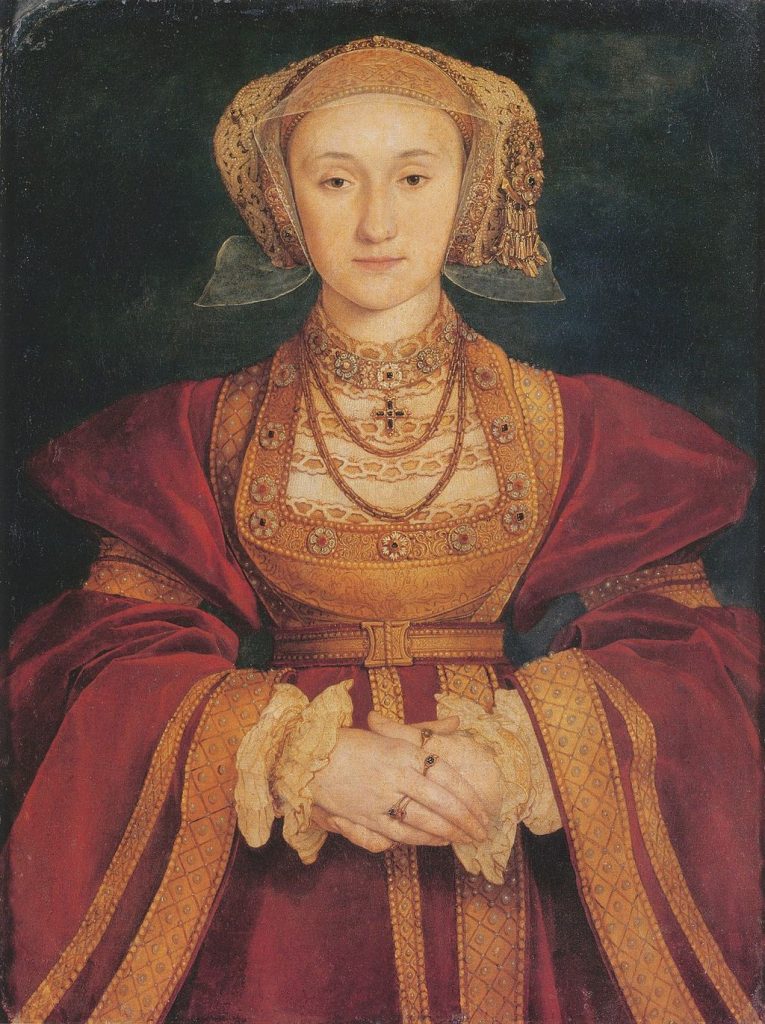
Hans Holbein the Younger, Anne of Cleves, 1539. 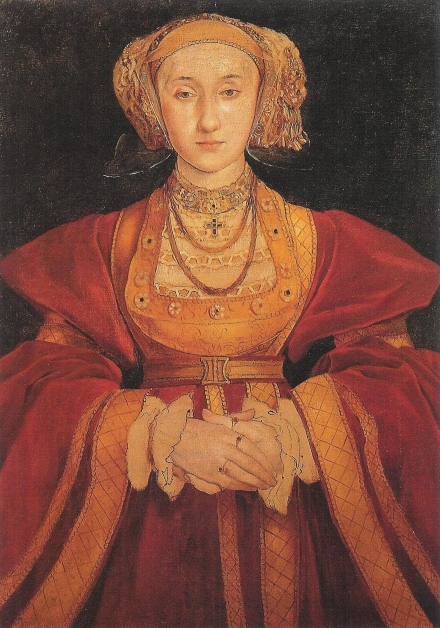
Edgar Degas, Anne of Cleves (after Hans Holbein the Younger), c.1860.

Philippe de Champaigne, Cardinal Richelieu, c.1640. 
Edgar Degas, Cardinal Richelieu (after Philippe de Champaigne), c.1860.
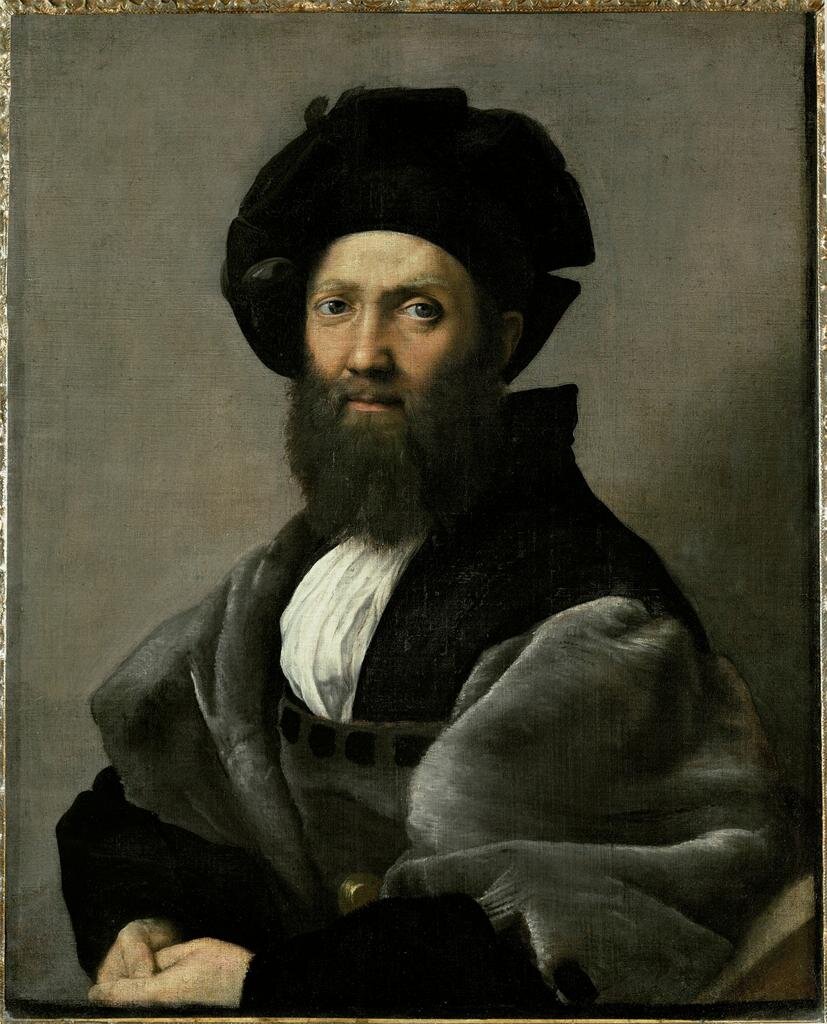
Raphael, Portrait of Count Baldassare Castiglione, 1514–15. 
Rubens, Portrait of Count Baldassare Castiglione (after Raphael), 1630.
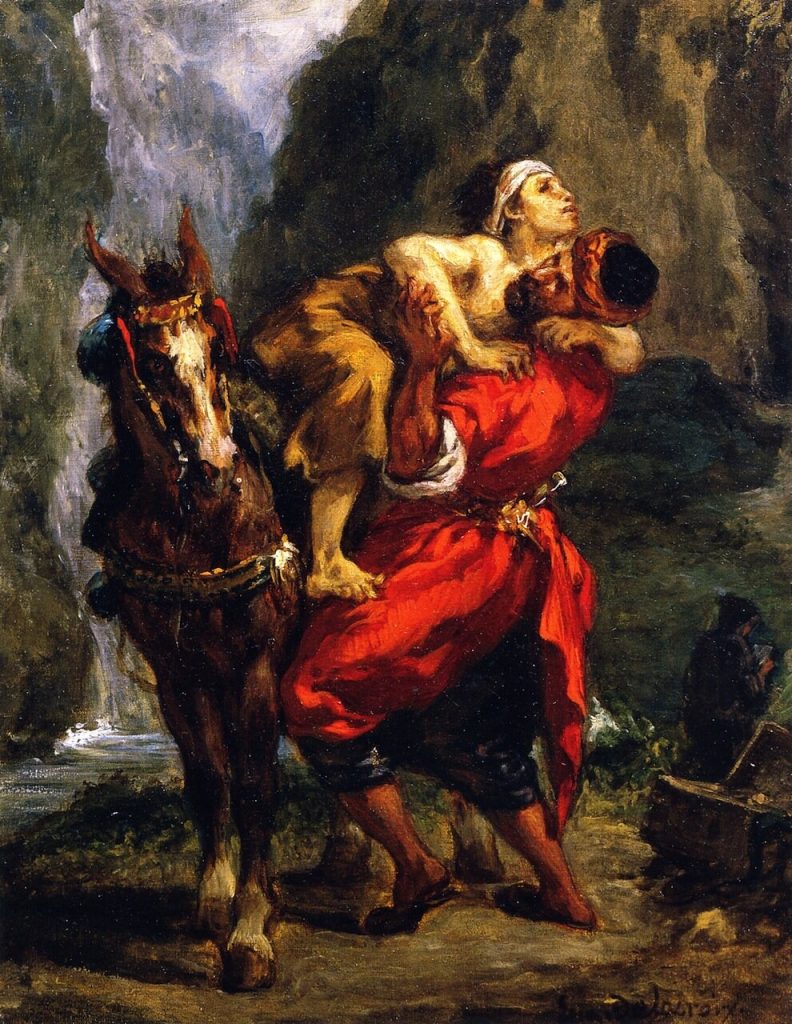
Eugène Delacroix, The Good Samaritan, 1849. 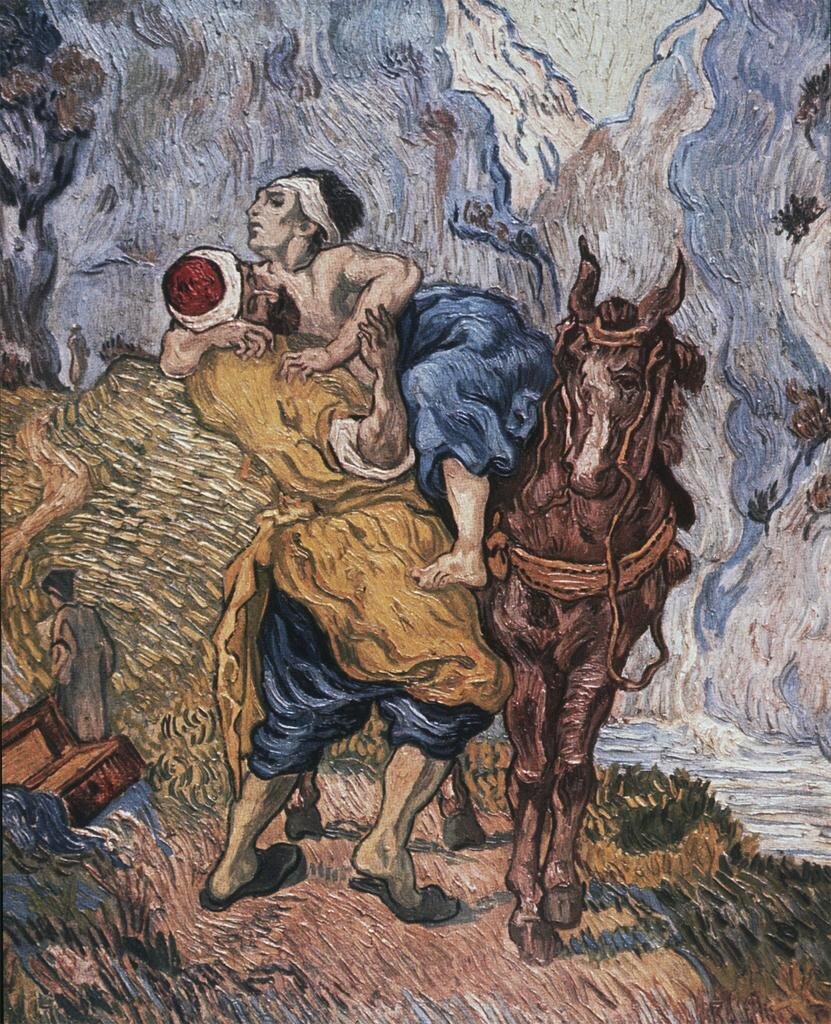
Vincent van Gogh, The Good Samaritan (after Delacroix), 1890.

Follower of Diego Velázquez, Dwarf with a Dog, c. 1645. 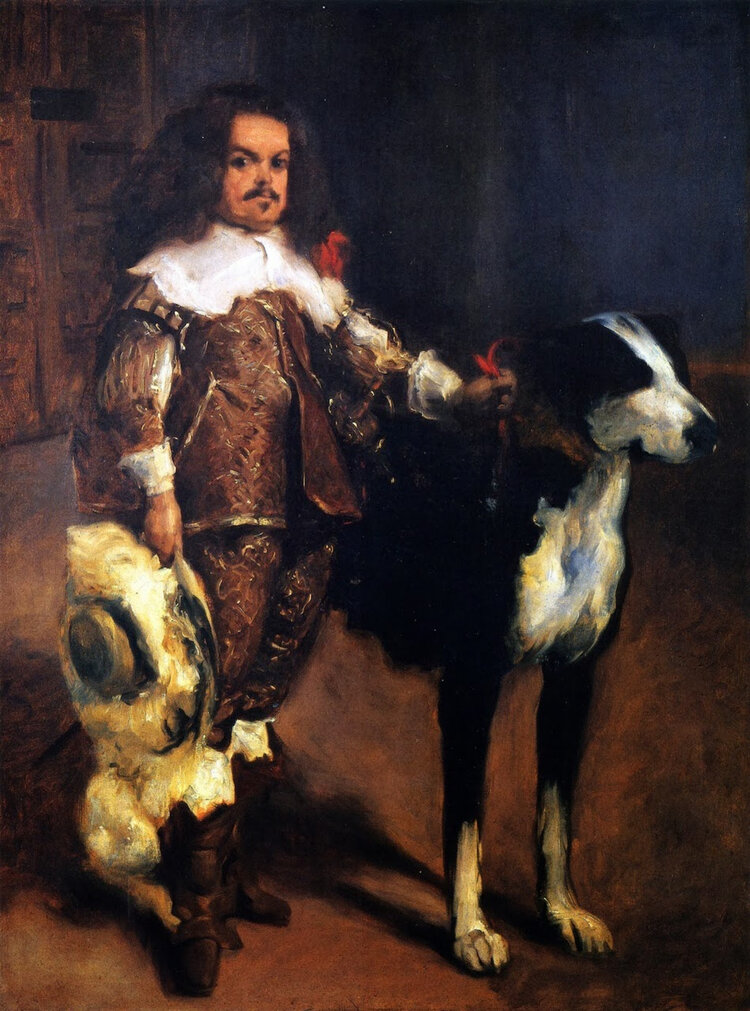
John Singer Sargent, Dwarf with a Dog (after Follower of Velázquez), 1879.
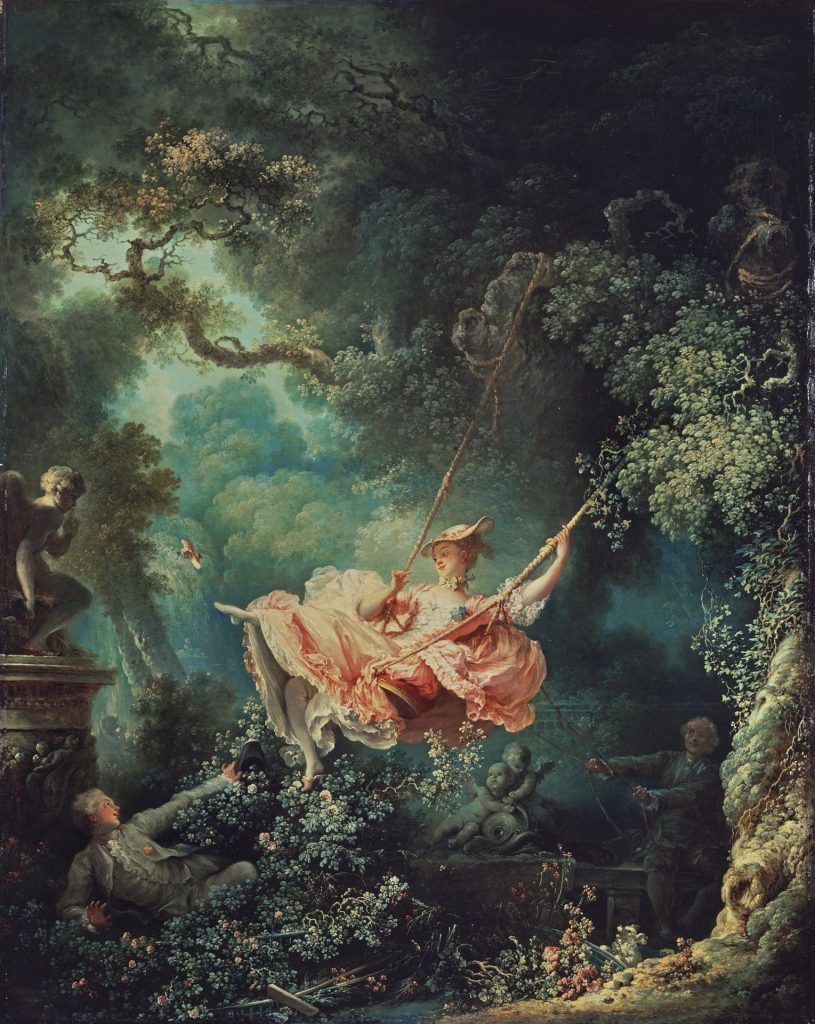
Jean-Honoré Fragonard, The Swing, 1767. 
Nicolas de Launay, The Swing (after Fragonard), 1782.

Michelangelo Buonarotti, Ezekiel (from the Sistine Chapel), 1508–12. 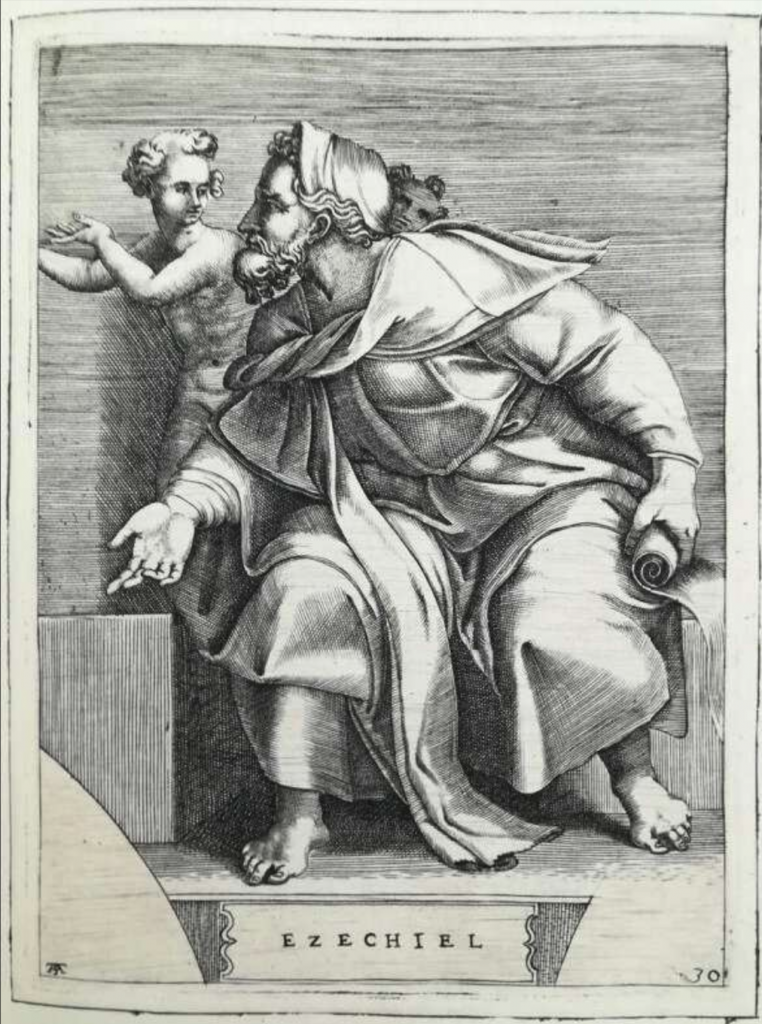
Adamo Scultori, Ezekiel (after Michelangelo), 1547–87.
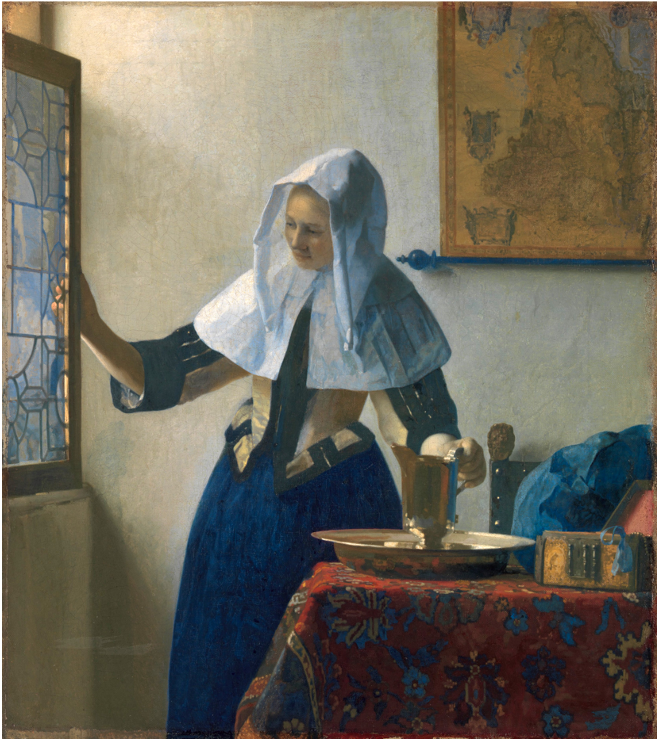
Johannes Vermeer, Woman with a Water Jug. Oil on canvas, 1660–1662. 
Henry Wolf, Wood Engraving (after Vermeer), 1907
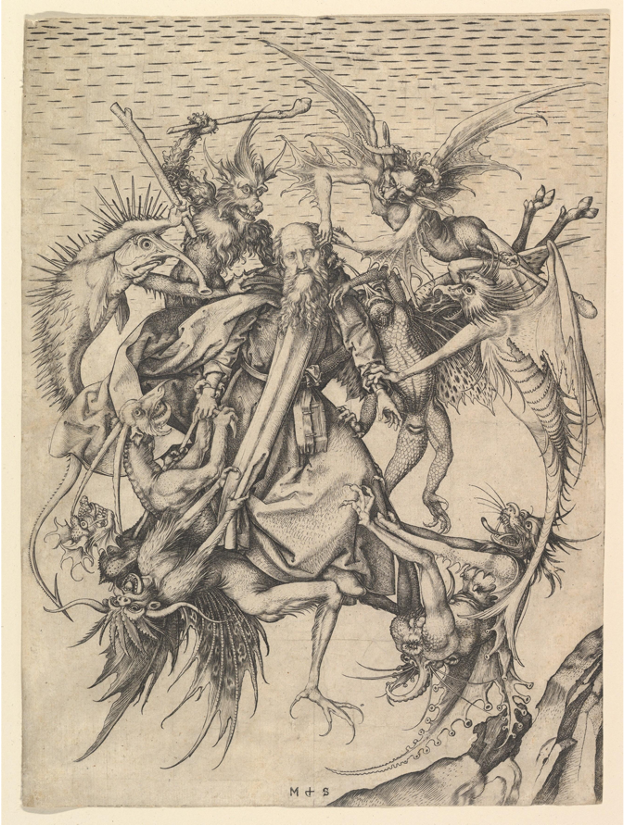
Martin Schongauer, The Temptation of St. Anthony, c. 1470–75. 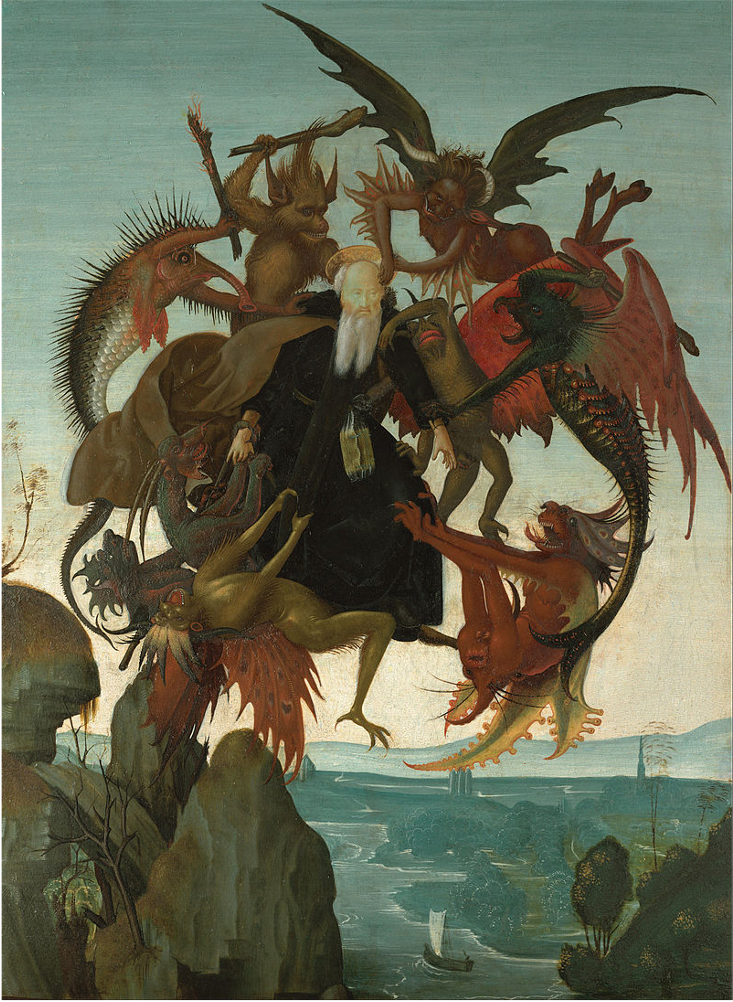
Attributed to Michelangelo, The Temptation of St. Anthony, c. 1487–88.
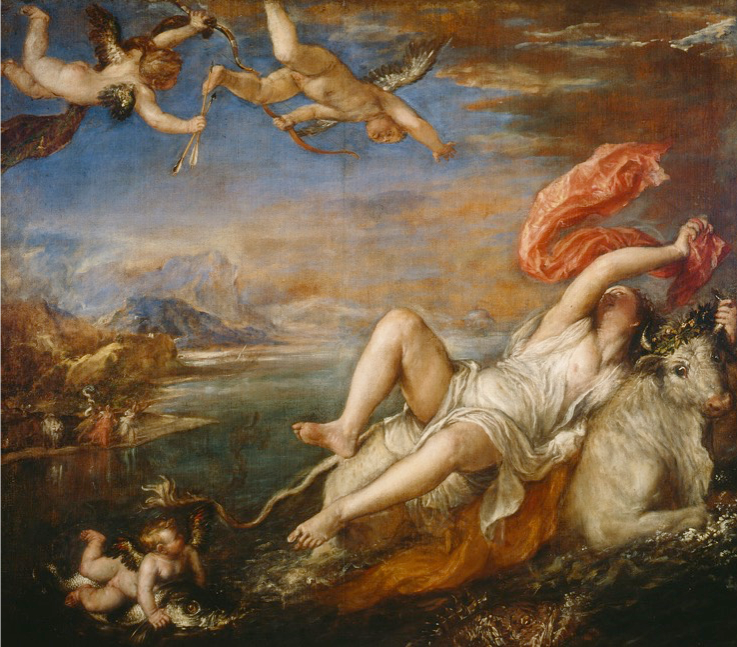
Titian, Rape of Europa, c. 1560–62. 
Peter Paul Rubens, Rape of Europa (after Titian), c. 1628–29.