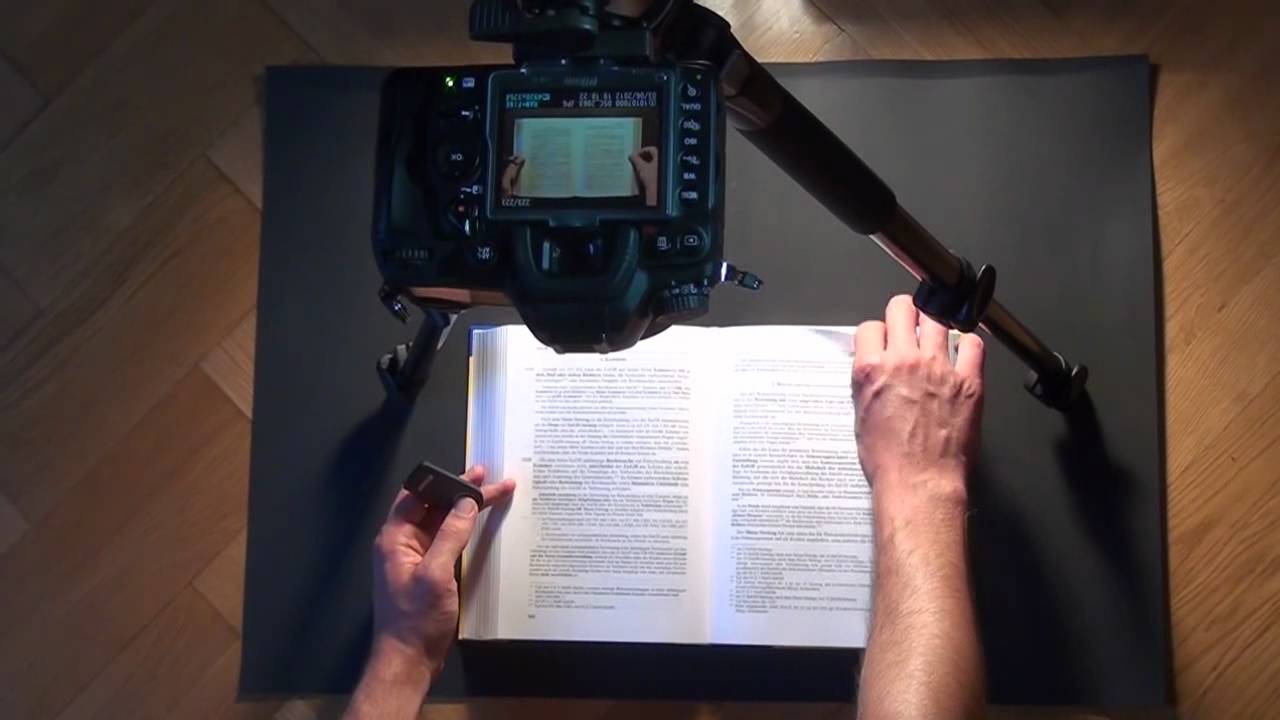
The Occult Sciences: The Philosophy of Magic, Prodigies, and Apparent Miracles has been the focus of my pet book project. For this last blog post I want to discuss the book’s online counterparts. I was able to find three versions of The Occult Sciences: The Philosophy of Magic, Prodigies, and Apparent Miracles (specifically volume II which is the volume I have been working with). There are three available texts on HathiTrust. There’s one from the University of California, another from the New York Public Library, and the last is from the University of Michigan. All three versions are digitized by Google.
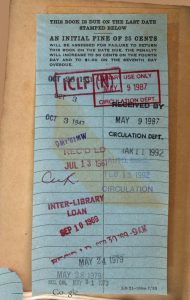
The availability of these books online means that they offer a few different things that my physical version of the book does not. One interesting example is at the end of the version from the University of California. This version has a picture of a record of different dates the book was in circulation. I found the different dates of use to be really interesting evidence of human usage.
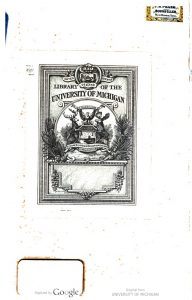
The version from the University of Michigan has an interesting illustration at the front of the book. I assume that the printing is an engraving of some type. While the illustration has nothing to do with the content within The Occult Sciences: The Philosophy of Magic, Prodigies, and Apparent Miracles, I still find it to be another interesting sign of human use at an academic level (especially since the my copy does not have any illustrations of any type). While there are interesting pieces within my copy that show the book’s academic use while at Colby (including a stamp from the school and proof of it belonging to the Alpha Delta Phi literary fraternity on campus), there are no cool illustrations like the one here.
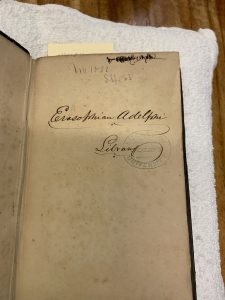
While the version of the book from the New York Public Library appears to be pictures of each individual page from the book, the other two versions are scans of the pages. Because they are scans, there is a lot of detail missing from them. Detail that a physical copy can show. For example, with my physical copy of the book I am able to see the details of the pages. I can see that all the pages are foxed and more on the yellow side. I can also see places where the page is ripped or folded. With just the white scans of the pages, these “little” details are lost.
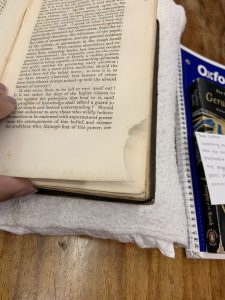
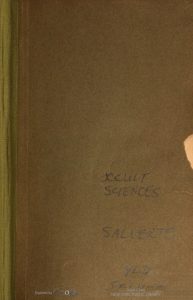
There is also a difference between the covers of the digitized versions of the book and the physical version. For my physical version of the book, the cover is more brown in color. The vignette on the cover is more of a yellow-gold color. Each picture of the covers from the online versions of the books are different. Although the cover is not extravagant, there are delicate details along the borders of the front cover and the spine. That is another thing that the physical copy includes: the spine. The damage and other signs of frequent use are something that can really be seen on a physical copy of the book.
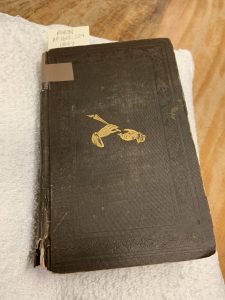

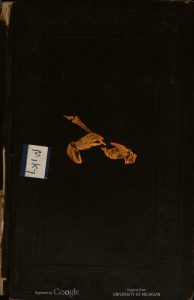
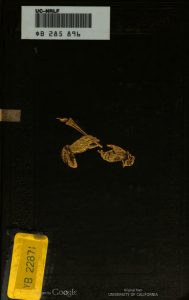
When comparing the cover with the digitized versions, there is a big difference. The covers from the University of Michigan and from the University of California are the same as my physical copy. While they are technically the same cover, there is a lot of difference between them due to them being digitized. For example, the cover from the University of Michigan appears to be a lot darker in color than my copy. The vignette is more orange, and there is no indication of what the spine looks like. You can still see the small intricate details, but only if you zoom in a significant amount. It is pretty much the same situation for the cover from the University of California. While the vignette is more on the yellow side, the cover itself is extremely dark (meaning you have to zoom in to see the details). The cover from the New York Public Library was a little more difficult to decipher. The cover itself is really just blank. Someone did pencil in the book’s title and author but that is it for the most part.
One big emphasis throughout this course has been the idea of “form effects meaning” presented by D.F. McKenzie. I think that the form of a book plays a huge role in how we interpret not only the content within the book, but many different aspects as well (such as the purpose of the book, the potential audience, the author’s intention, the book’s use and so on). With my physical copy of the book, I feel a more personal connection with it. I can (or could before the current situation) literally put my fingers on all the details within and outside of the book. In a way, it becomes more than just a book. There’s a story behind every rip, between the margins, the paratext and so on. Any clue of human use is exciting rather than distracting. But a digitized version feels much less personal to me. It feels more like something for scholarly purposes rather than something looked at because of personal interest. Although the digitized version allows for more access to those with internet access, it loses a lot of details that make The Occult Sciences: The Philosophy of Magic, Prodigies, and Apparent Miracle unique.
Links to the digital books:
Book from the University of Michigan