Looking at my book in person put me truly in touch with its materiality. Feeling the page, pulling out the foldouts, and reading the words that consisted of genuine ink made it seem as if I had a real connection to the book. It felt strangely personal, and after many a cumulative hour of research on Mungo Murray, or the printers, or HMS Magnanime, I felt as if somehow I had a personal relationship with each of them. I felt that I shared a meaningful material connection with each of them: the words I was reading were born in Murray’s mind and came from his fundamental understanding of navigation from his time at sea; the paper passed through the presses and hands of D. Henry and R. Cave. The book, to me, was deeply personal in its very nature.
With the connection I had in mind, and my sense of being used to the feeling of dusty pages and a broken and torn cover, I was extremely surprised to see that the book was present on a number of online locations. Indeed, I was shocked at how many different copies and editions of the book one could buy. In some way, it almost felt as if it were “my” book. It was surprising that “my” book existed, too, in a modern context.
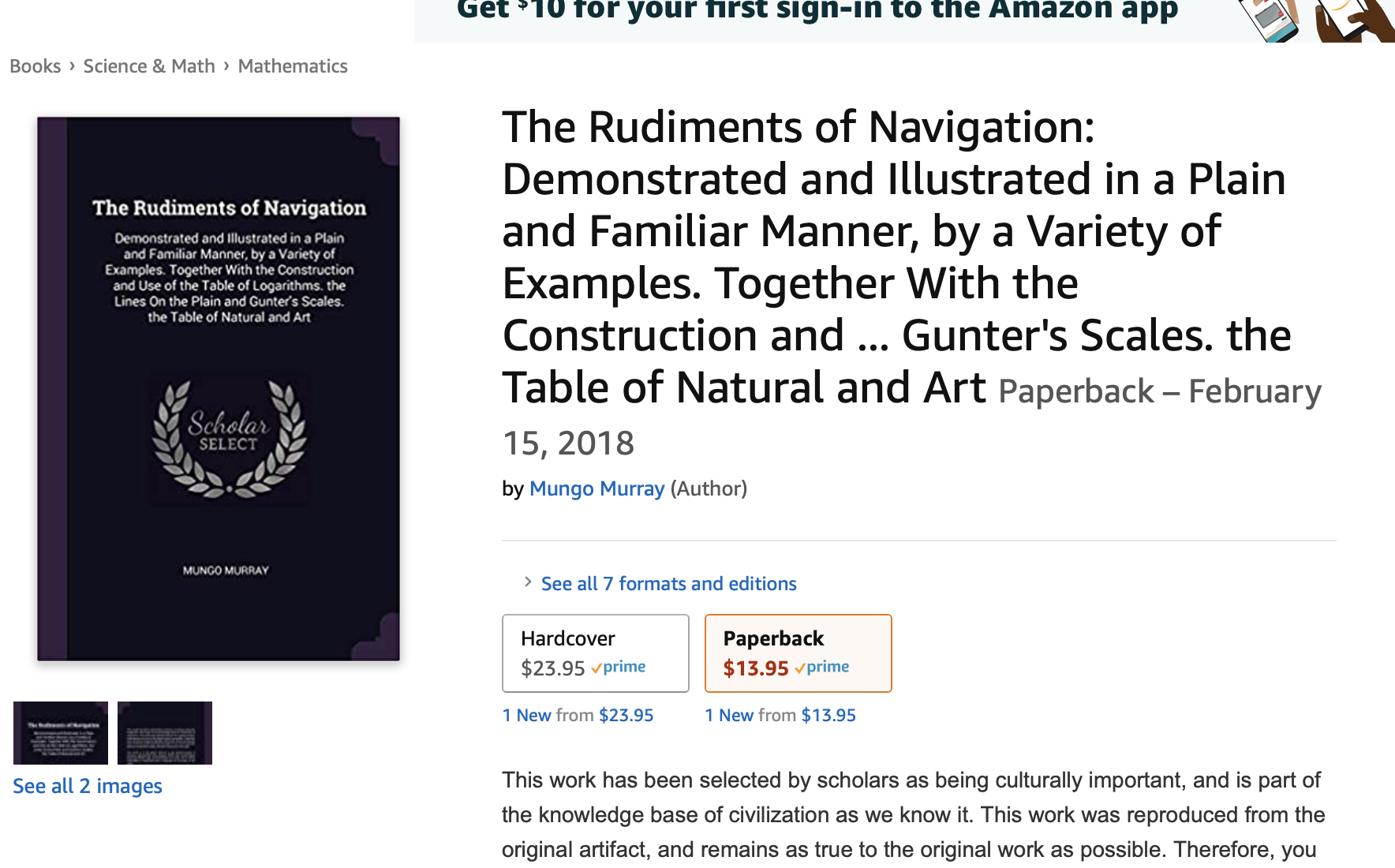
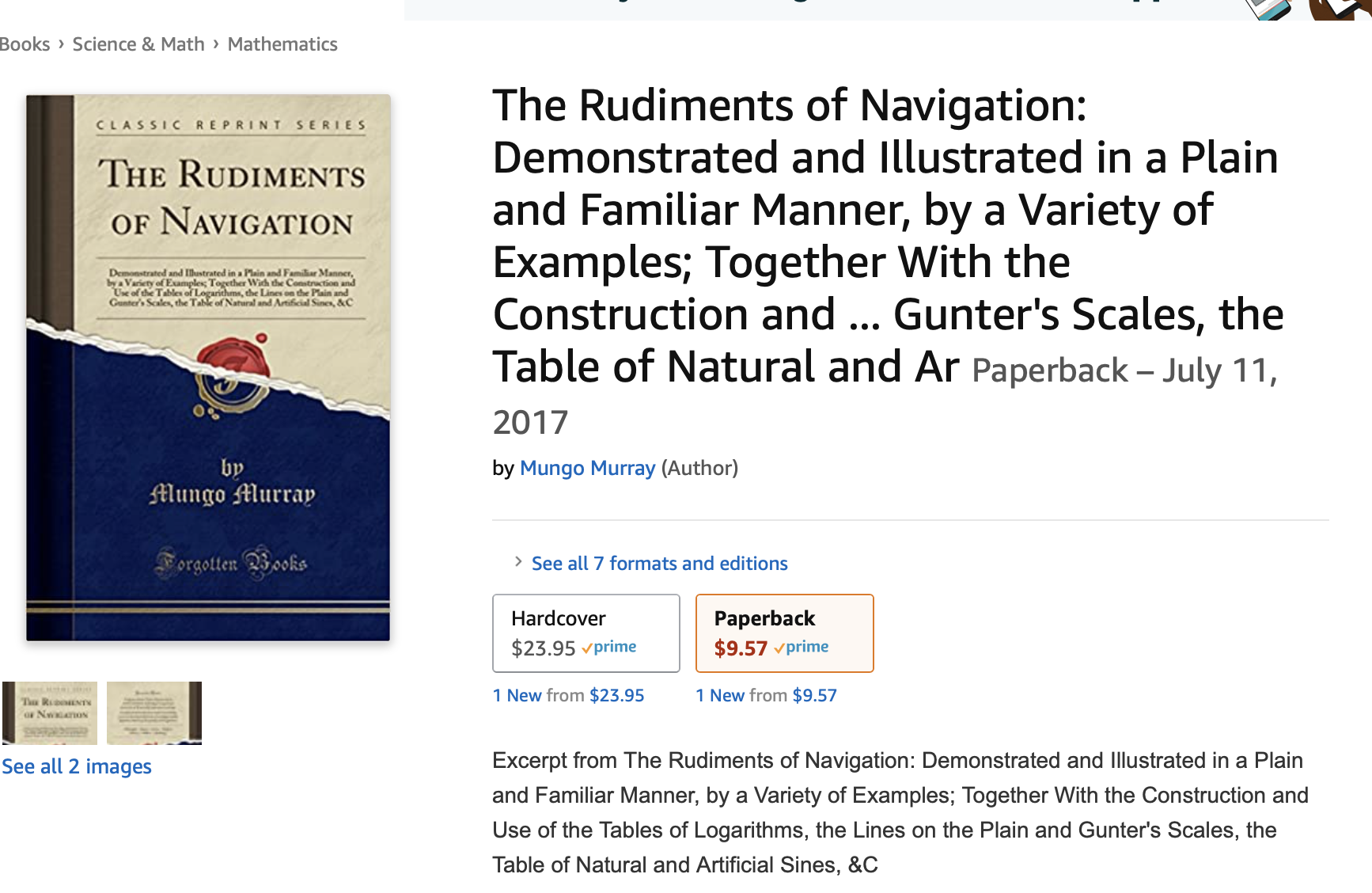
A scan of the book is available on HaithiTrust, in original format (notably, the condition of the cover of this book is substantially better than “mine”). It can be purchased in paperback and hardcover editions as a scan of the original. I was unable to find an example of what these look like inside, but the covers are represented below.
A few editions existed on Amazon:
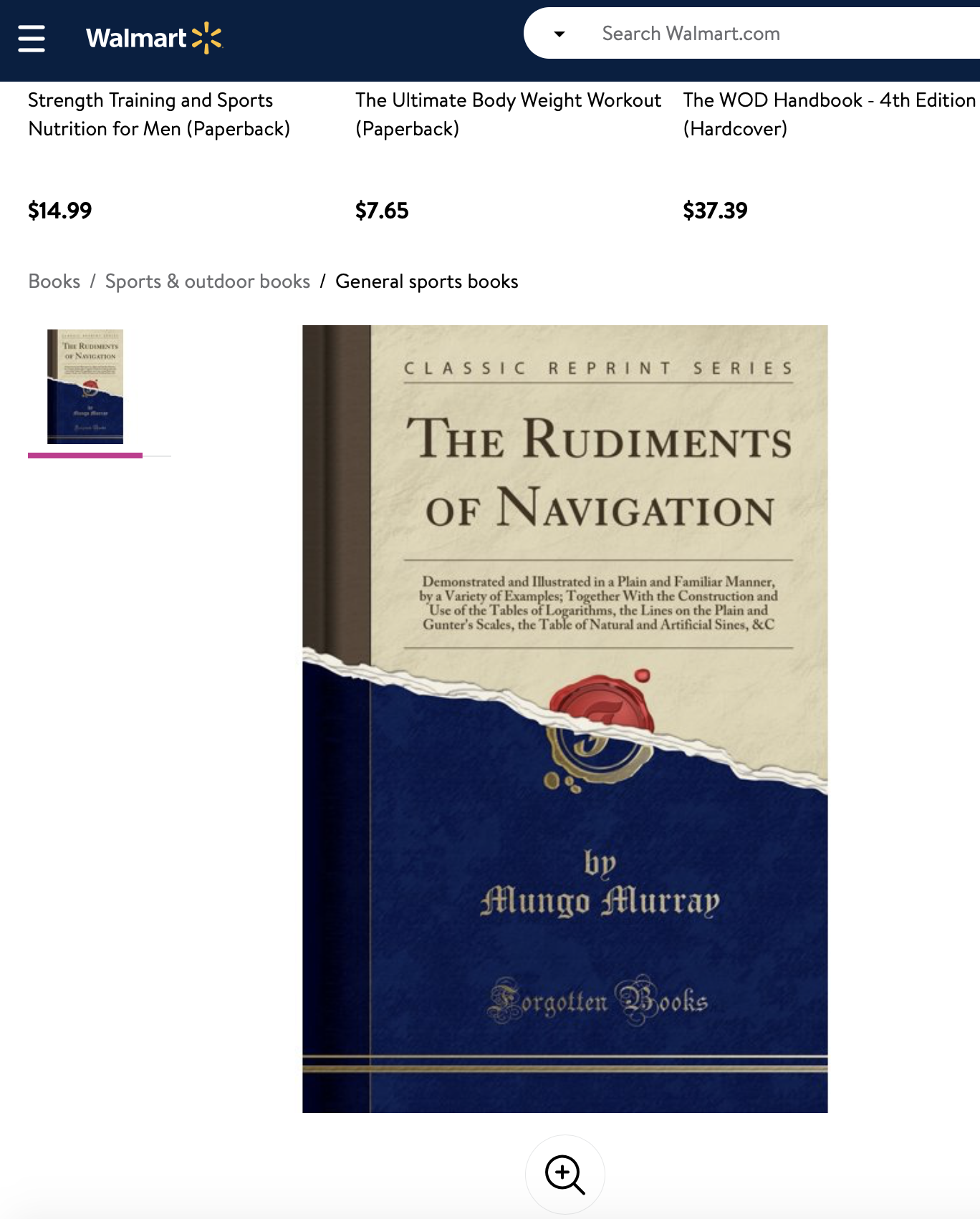
But I was certainly surprised to see that Murray’s work was available at Walmart!
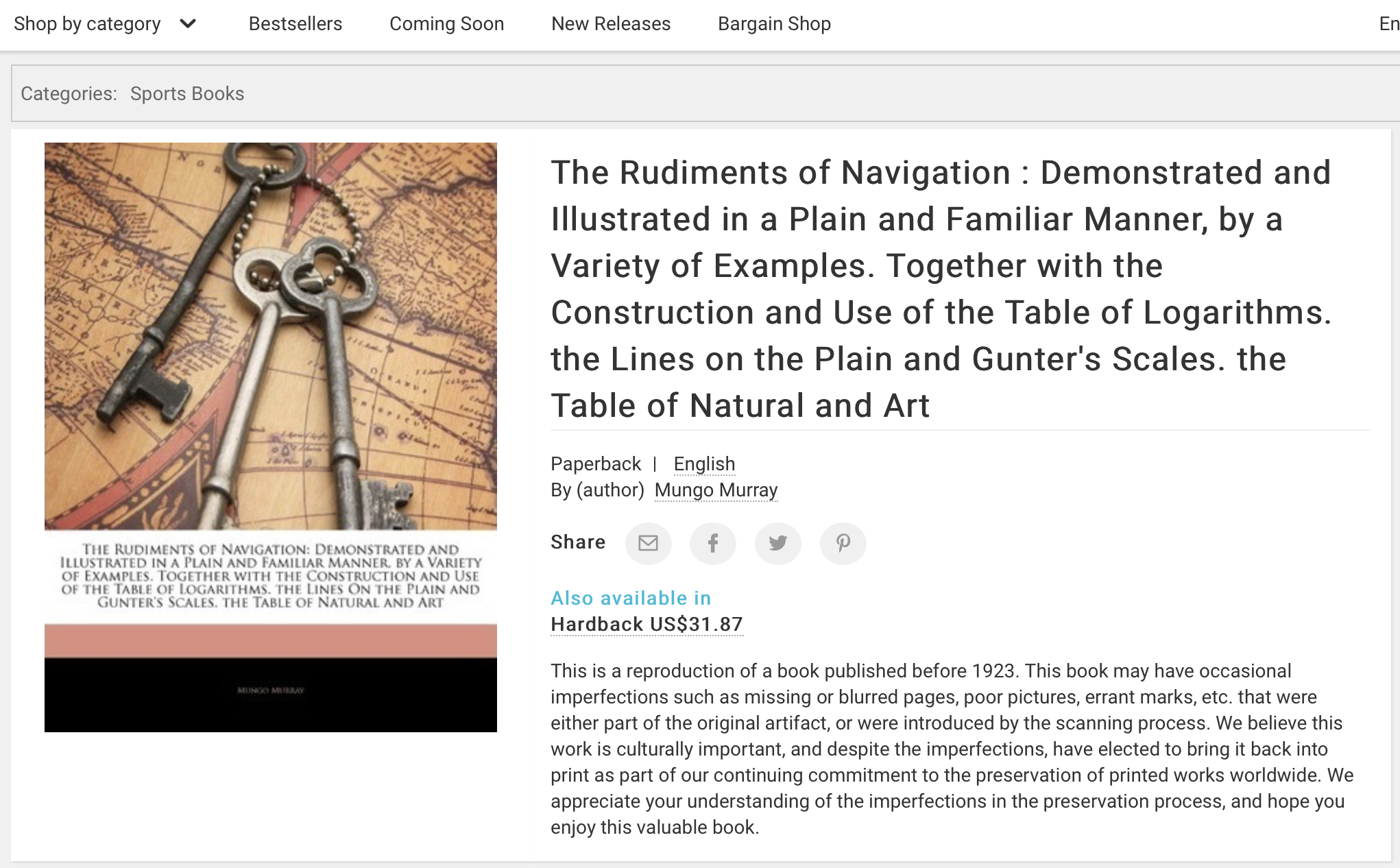
The HaithiTrust edition has a few notable differences. On a number of pages it was poorly scanned, distorting the text to some degree. This made be back away from the text slightly, and re-recognize that it is in fact a digital copy. This does not exist as an “object” in the same way that the book that was scanned does. It also has a number of places where the text itself was marked by the reader correcting it. This is a notable difference from my book, which is absent from markings aside from the inside of the cover and title page.
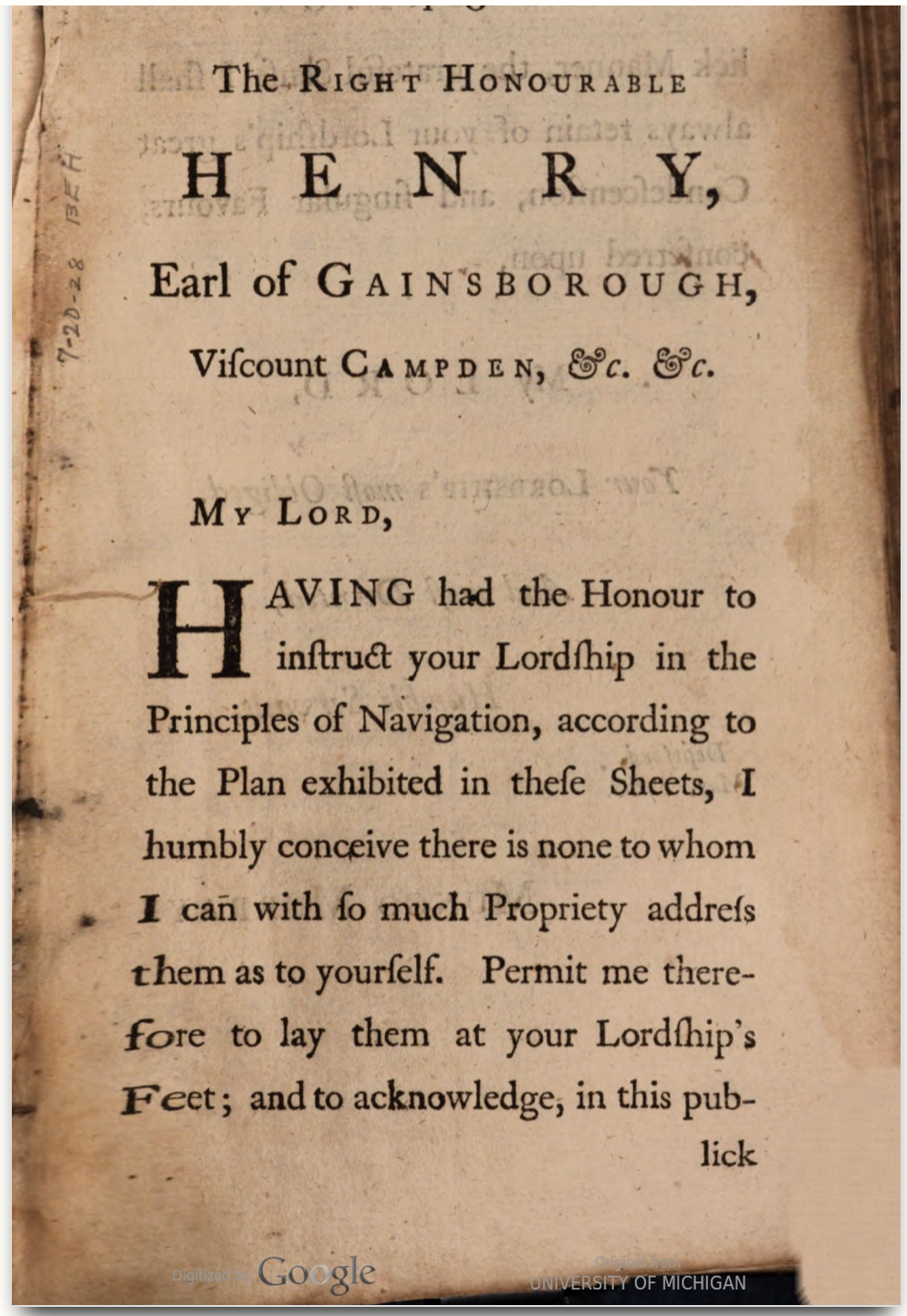
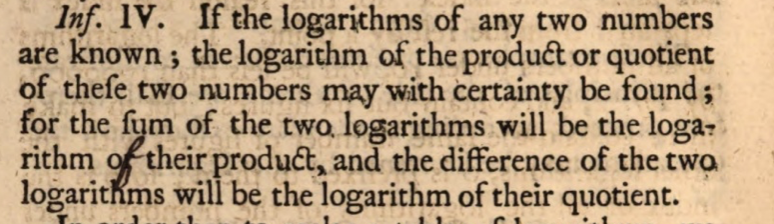
The online edition of my book feels substantially less personal. It does not feel “mine” in the way that the physical copy did. As an object, the book seemed to be completely overflowing with meaning. Just looking at scans on a screen, though, it seems lacking. Words are there, but “my” book is not the same one on the screen. Mine seems “alive,” as it were, while the digital facsimile appears to me as a still-life of the book when it was “alive.”
Thank you for reading my blog posts! I have very much enjoyed “navigating” Murray’s work and delving deep into the history of “my” pet book.