Intro
For the past few weeks, I’ve focusing on the different material aspects of my pet book. Through various perspectives, I started to understand how books were physically made, the purpose of different types of books, and the feelings that people like the authors and the printers underwent.
As I thought that we can end the semester peacefully as we always did, we experienced a terrible pandemic- COVID-19. Due to this wide-spread illness, we are no longer able to stay in the campus and continue to take care of our pet book.
However, things are not entirely bad. Because of our advanced technology and easy access to internet, we are still able to take a look at our pet book while we are at home. The electronic-distribution website I used is Hathitrust
Sincerely speaking, even though the books that I was reading are the same book with the same content, reading the physical copy of my pet book still feels very different from reading the digitized version and potentially will make my experience analyzing the book better.
Book cover and binding
The most obvious difference I noticed about the electronic copy is that it doesn’t have a cover!
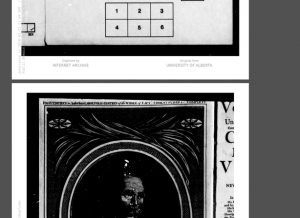
Page from the pdf

Picture of book cover

Picture of book binding
Being able to take a look at the binding and the cover would not only help us to understand the technology used to produce these two objects, but also we will be able to analyze the historical background or the binding designer (could be the binder or the author)’s intention behind the design through details such as the color composition of the cover or the binding.
Not to mention that the digital copies of books lacks other things like the wearing of the pages which is another thing we can analyze about the past of the book for things such as whether or not the book was preserved carefully or carelessly:

Digital copy of books that doesn’t have anything to analyze on its corners
Bookmarks
The digitized book also contains different marks-some are notes from the reader and some are just stains or crease marks.

Reader’s notes
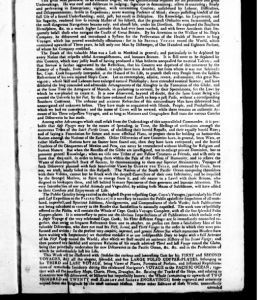
Crease mark or cracks
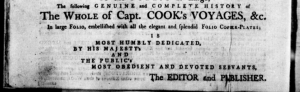
Stains or the scanning trace
For the actual book, it looks very clean:
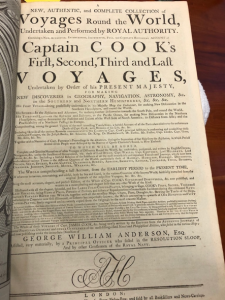
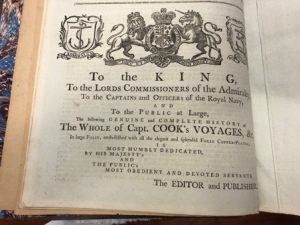
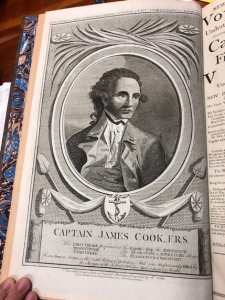
Pictures of my pet book when I was in school
I don’t know if cleanness is a good thing or not since most of the time, remnants from the previous readers are valuable things to analyze as a book historian. However, when we read scanned copy of old books, we may end up analyzing traces that are not present in the original book which will cause confusion among us. This may be another reason why most historians prefer reading the actual books rather than the digital copies of them.
Book Material
Another aspect of actual book that I valued a lot, which I also mentioned a little above, is the access to the material of the book. No matter how clear the pdf document is or how precise the scanner is, the reader won’t be able to feel the book as they are when they actually touch the pet book.
For me, when I flipped the pages, I can feel the thickness of the page and the weight of each page. It is those two details that further helped me to confirm the idea that my book is made out of durable materials and that my book is meant more for storing information than for daily uses.
If I don’t have access to the physical copy, I may not be able to make important conclusions through things like the page texture.
Clarity of images
Some of the issues I mentioned above about the digital copy can be solved through better scanning technology that may be able to give us a clearer and more real copy of the actual book; However, the issue is that right now, scanning technology right now cannot even ensure the clarity of the document distributed.
This is the image of the map in the online copy of my book:
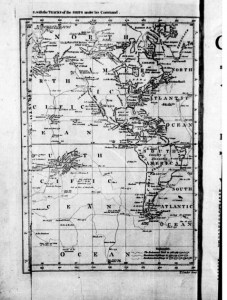
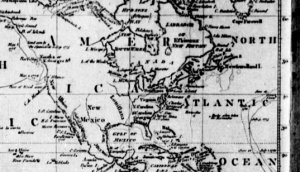
When we enlarge the top right corner of the map, you can see that everything blurs out:
This is the image I took from the actual book:
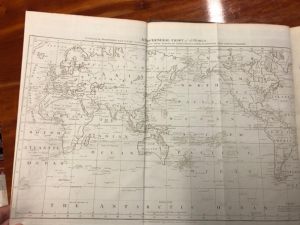
Even though magnifying my image would result in a similar blurred condition, the major difference is that when we have a physical book, we can get ourselves closer to the book in order to see the image more closely while doing the same thing to a digital copy will not give us useful information.
This blurriness is not only very detrimental to people who prefers seeing the small details of the book, but also it will make the life of people, who want to see precise object like the map, being very miserable.
Conclusion
After several days of using remote learning and electronic version of some tools, I realized that it really depends on what we want to do in order to conclude our technology to be useful and not useful. For example, the advancement of emails and WIFI allows use to send documents more quickly and print things more easily while book historians will still rely on actual copies of books no matter how clear the scanner or the camera is.
This might be another big topic to study at in the next 10 years and hope that we will eventually develop something that allows people to have easy access to physical copies of old books while keep the access as convenient as our access to internet.