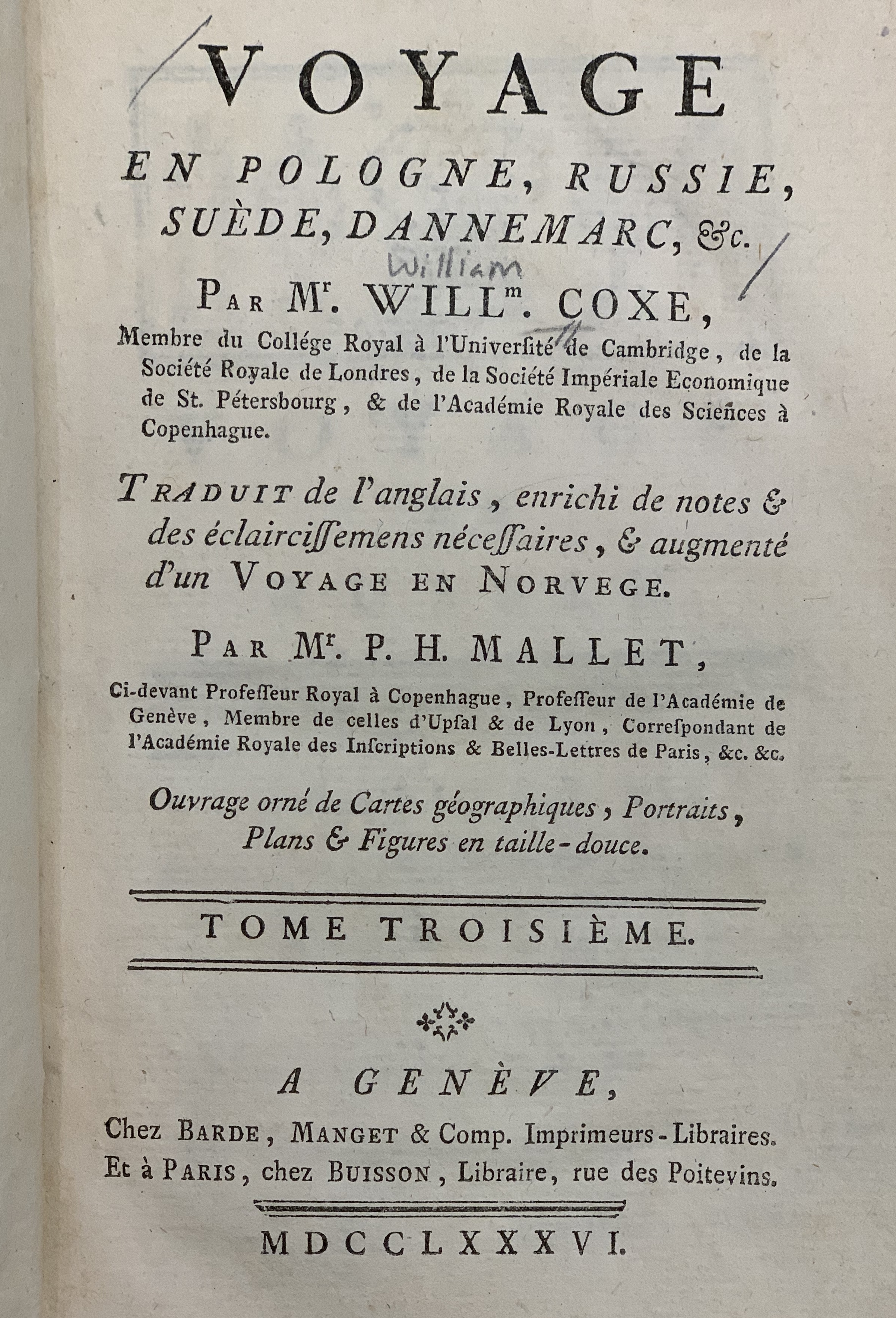
They say that traveling makes you understand what your place is. Through reading traveling journals, I can learn how the author interprets a part of the world in his/her way; through studying the physical medium of these journals, I can learn how the society at that time interprets the world with different contexts. Again, “the medium conveys the message.” Originally written in English, the French translated version I chose is called Voyage en Pologne, Russie, Suède, Dannemarc, &c. (Travels into Poland, Russia, Sweden, and Denmark), and it belongs to a series of travel journals of north Europe and Asia. The author, William Coxe, finished the first version of this volume and published it in 1784. Then, the book was translated into French, and the translator, Paul-Henri Mallet, also annotated it with footnotes and added another part about Norway. The translated version had gotten published two years later in both Paris and Genève. Having studied traveling narratives about Asia by mostly European missionaries in the last two semesters, I want to look at something different from the huge volumes dedicate to the Kings.
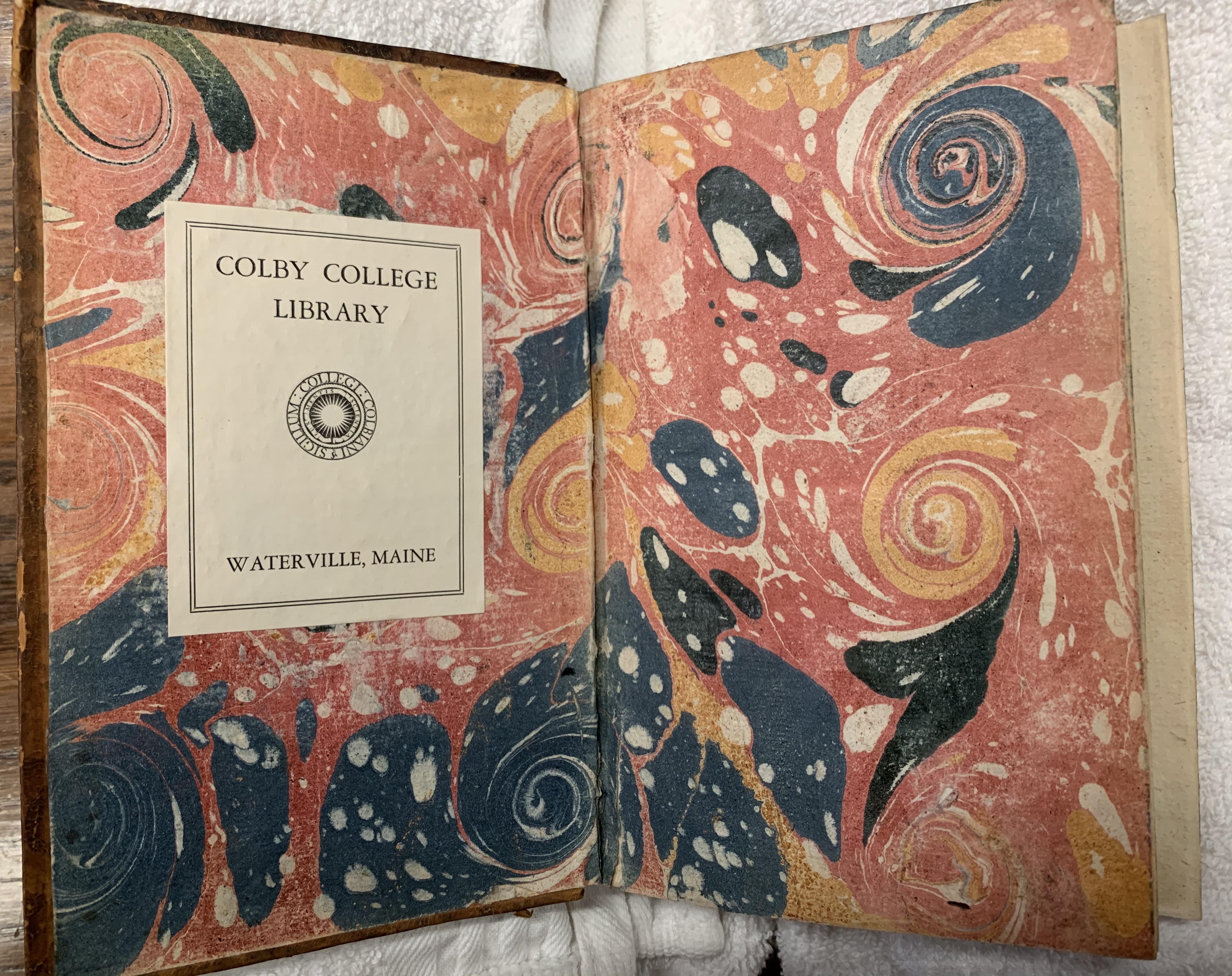
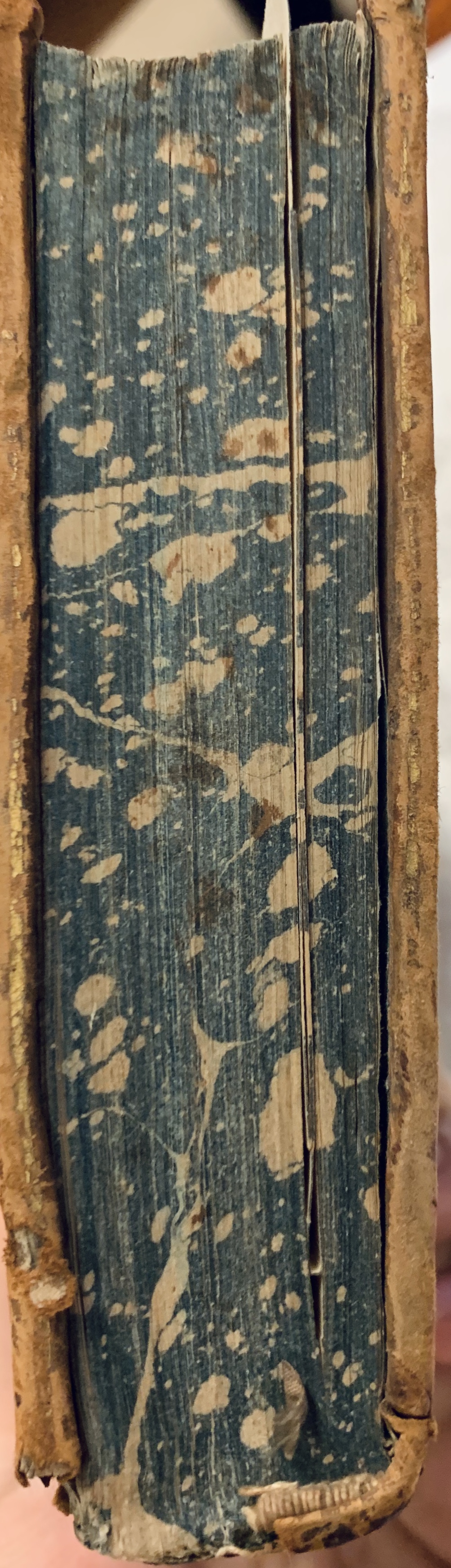
The book is in a handy and portable size, approximately 20×15 cm, with around three hundred pages. Bounded in fully mottled leather, the front and back covers are detached because of multiple uses; there are red and black leather labels on the spine, with golden stamps as decorations. The first thing about the books that attracts me is the beautifully marbled first and endpapers. The pattern reminds me of the sea, and the colors blend together beautifully. Then, I find that the edges of the book are also decorated with indigo blue originally (the color faded as time goes). The Special Collections Assistant Director of Colby College, Patricia Burdick, told me that this spattered pattern, presumably in watercolor, has to be painted by hand. This means that the decoration of the edges took a longer time than the machine-printed pages, and the labor was probably more expensive as well.
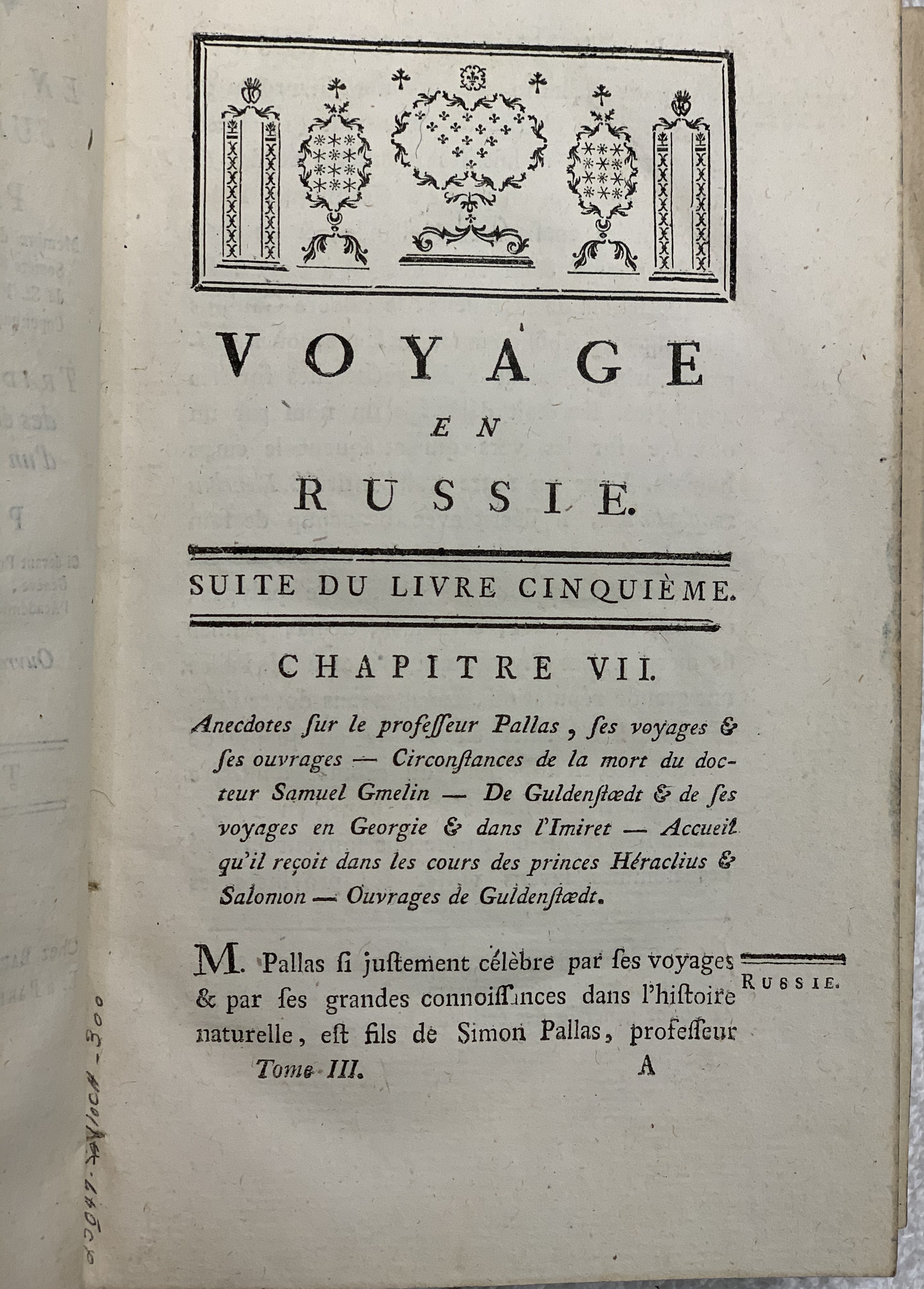
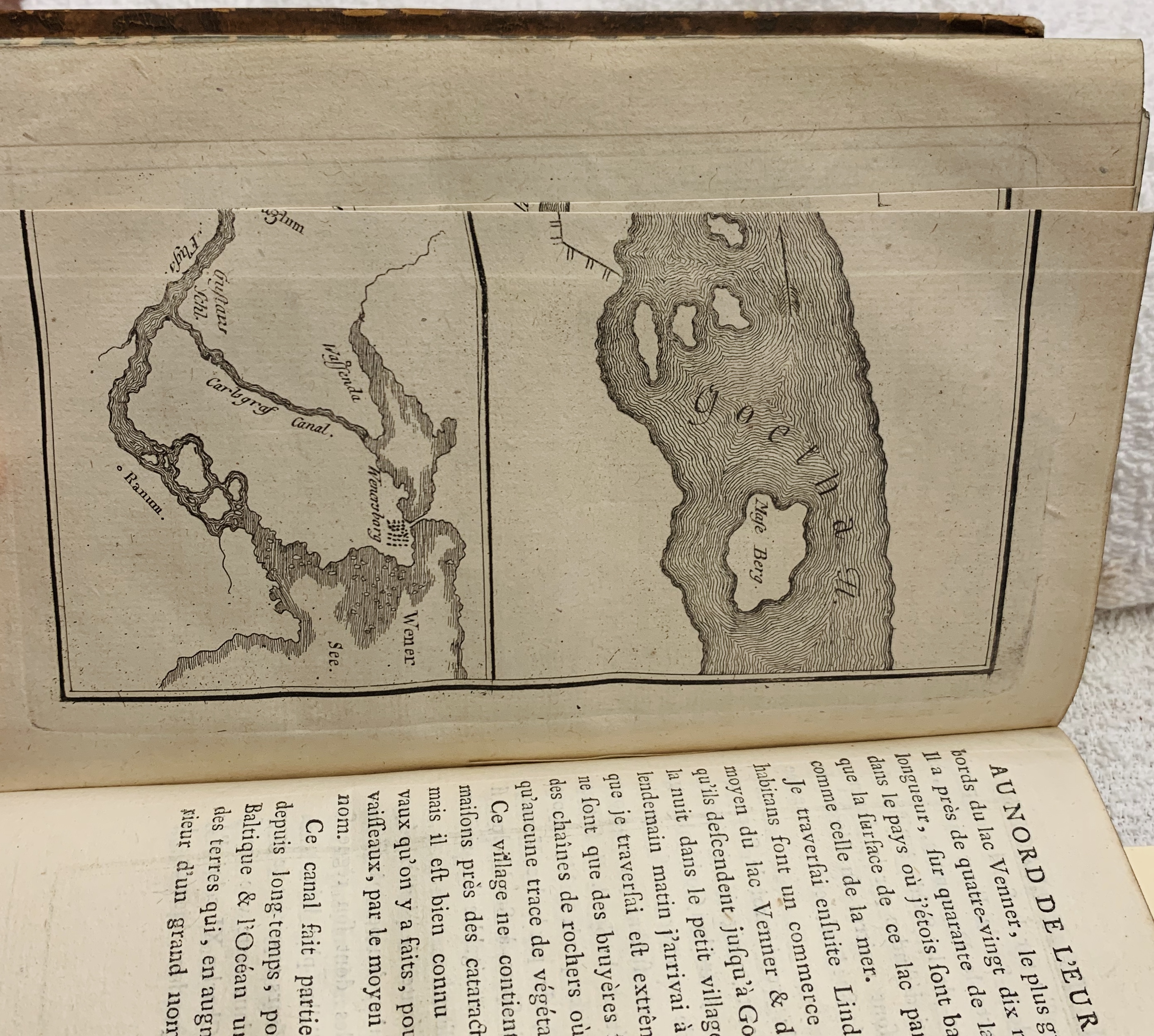
Going into chapters, the line and paragraph spacing are standard; the printed letters are medium-sized and easy to read. The margins are wide as if to leave space for notes. Most of the papers have a yellowish color, but the maps’ papers are thicker and nicer than the others. At the beginning of the introduction of each region, there is an illustration on the top of the page; different regions have different illustrations, and I wonder what they represent. The book has a table of contents in the back, and there are summaries or keywords on the first page of each chapter as well. The page numbers are at the upper left or right of the page, and the name of the introduced region is marked in the side margin to remind readers where they are reading about. Overall, these aspects mentioned above show that the book can both be read as a narrative or be used as a tool for looking up specific information.
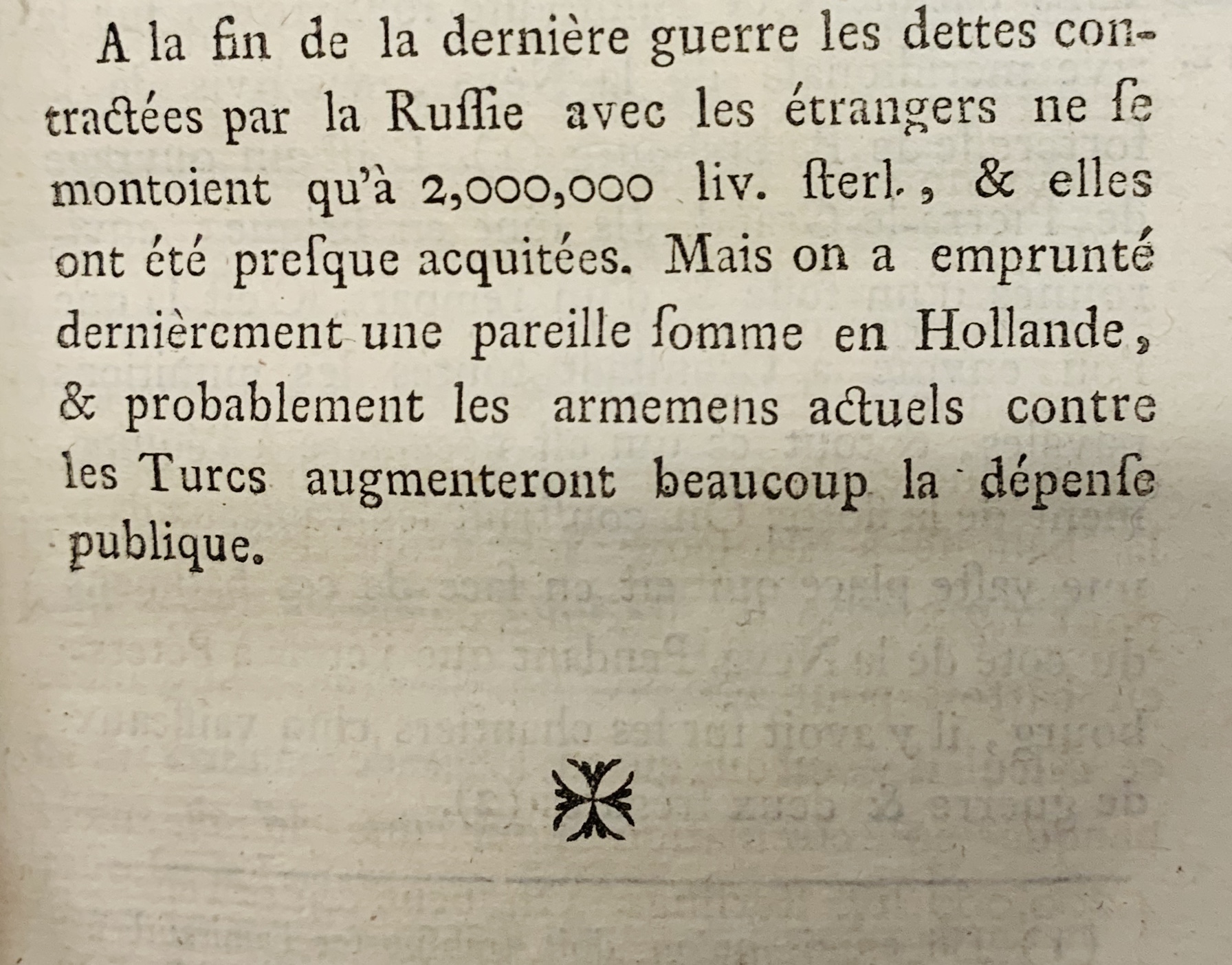
One interesting and confusing feature I have found about the book is its condition. As I have said, the covers are somewhat detached from the spine, indicating that it was read several times. However, first, there are no notes or handwriting or other evidence of use; the enclosed maps appear to be almost new, since though they are folded to fit the book’s size, the lines which they are folded along do not have any damage. Further, there is a map whose size is larger than the book’s other pages, but that larger edge has not been folded or stained even once. In conclusion, I think that the book was either remarkably well-preserved through centuries, or that people rarely read it.
With all these discoveries in mind, I am looking forward to exploring this book in the following blogs.
Want to read more? Here are other blogs about Voyage en Pologne, Russie, Suède, Dannemarc, &c:
2.1 Origins: Dive deeper into the origins: a lifelong career of two passionate travelers
2.2 Additions: What else besides the content?