January 28, 2015 · Comments Off on Grand Rounds: CABG v. PCI Stenting
CABG vs. Stenting in Multi-vessel Procedures: A Synopsis
Mayra Arroyo, Chris Lee, Ivan Yang
http://youtu.be/xsxlDjFb_sk
Coronary artery disease is caused by atherosclerosis, or the accumulation of fatty deposits, known as plaque, along the innermost layer of the coronary arteries. There are three main coronary arteries: the right coronary artery, circumflex artery, and the left anterior descending artery. Atherosclerosis causes the afflicted coronary artery’s wall to thicken and lose elasticity, ultimately narrowing or blocking the artery. This can reduce the oxygen flow to the myocardium. Treatment of coronary artery disease is complex and depends on several factors, but typically comprises of risk factor management, medication, and interventional techniques, such as coronary artery bypass grafting (CABG) and stenting.
Percutaneous Coronary Intervention (PCI) or Stenting is a minimally invasive process in which a doctor inflates a stent (mesh steel tube) with a balloon to open up a clogged artery. This restores normal blood flow. A catheter is inserted through the groin, neck, or arm to move the stent to the affected area. In recent years, newer types of stents such as drug-eluting stents and biodegradable ones have been developed. Before choosing stenting as a treatment option, one should consider risks involved with stenting such as damage to the vessels or arteries.
CABG is a surgical procedure where a vein or artery (usually from the inner thigh) is used to form a path around a blocked coronary artery. Over the years, there have been changes to the techniques used to carry out CABG. One such example is Totally Endoscopic CABG, which uses a robot equipped with a camera and surgical instruments in its arms. It is important to note that this procedure is highly invasive and risky, which is why it is usually used after more conservative treatments have been attempted.
In the three studies discussed, we compared long-term outcomes of CABG and stenting in multi-vessel disease in diabetics and in combined subgroups by looking at death rates, adverse event rates, and repeat revascularization rates. Multi-vessel disease is defined as the occlusion of two or more of the three main coronary arteries, and revascularization is a procedure that returns blood flow to a low-oxygen area.
In diabetics, we found that CABG ultimately has better long-term outcomes in multi-vessel treatment. Primary outcome (death, heart attack, or stroke) rates and all-cause mortality rates were lower in CABG diabetic patients than in diabetic patients who underwent drug-eluting stent procedures.
A study published in 2001 observed the effects that CABG and stent had on patients one year after treatment. The patients’ quality of life (survival and freedom from stroke, heart attack, or repeat revascularization) was examined after one year. It was found that there were no significant differences between the number of CABG and stent patients who did not die or have heart attacks or strokes. However, CABG patients had lower rates of repeat revascularizations than stent patients. In light of this study, it is important to remember that it was conducted in a time before drug-eluting stents and other newer treatment options.
Another study published in January of 2013 found that, compared to CABG patients, a greater percentage of people who underwent PCI with drug-eluting stents underwent repeat revascularization. The study concluded that in people with less complex disease, it is acceptable to undergo PCI. On the other hand, people with multi-vessel problems should choose CABG.
In conclusion, though CABG has proven to have better long-term outcomes than stenting in multi-vessel disease treatment, better studies should be conducted to verify this. Future studies should include more patients, cover modern CABG and stent techniques, and be extended for several years after revascularization. For now, it appears that CABG does have an advantage over stenting and drug-eluting stents, mostly due to reduced rates of repeat revascularization.
Categories: Grand Rounds
Tagged: Chris Lee, Ivan Yang, Mayra Arroyo
January 28, 2015 · Comments Off on Grand Rounds: Celiac Disease
Ari Thomas, Laurel Edington and Danielle Levine
http://youtu.be/DiKDOyG6Olg
Grand_Rounds_Celiac_Disease powerpoint_pdf
Grand Rounds Synopsis
A 42-year-old man presented with a chief complaint of chest and abdominal discomfort that had begun suddenly two days before as a sharp left upper quadrant pain radiating to his back, associated with nausea and early satiety, and that increased in intensity over the next two days. The next day, he experienced substernal chest pressure consistent with his usual angina, but which did not respond to a single sublingual nitroglycerin tablet; it only resolved completely after IV morphine, ketorolac (an NSAID), chewable aspirin, and three more sublingual nitroglycerin tablets. He had experienced no recent abdominal trauma, vomiting, rectal bleeding or black stools.1
The patient’s past medical history includes hypertension, hyperlipidemia (excess blood lipids), and coronary artery disease (myocardial infarction at 32 years of age, with coronary artery angioplasty with stent placement, and subsequent bypass grafting).1,2 For more than ten years before presentation (since the coronary-artery bypass surgery), he has experienced chronic diarrhea that has worsened since his cholesterol-lowering medication was increased 6 months ago.1 During the past six months, he has experienced daily headaches, nocturia (excessive urination at night), feeling warm at night, an unintentional weight loss of 35 lbs, and occasional early satiety.1,2 Although he has a family history of colon cancer, a colonoscopy performed 4 months prior was unremarkable.1
The abdominal and chest pain, weight loss, and history of gastrointestinal symptoms suggested an acute chest syndrome, acute abdominal syndrome, inflammatory disorder, or cancer. An acute coronary syndrome was unlikely and an echocardiogram and chest radiography confirmed this. The physical exam ruled out acute chest syndromes, but sensitivity in the upper right quadrant suggested an upper abdominal disorder. Lipase, aminotransferase, and amylase levels were elevated, suggesting pancreatitis, liver injury (from an infection or drug use) or disease, or liver cancer. A CT scan of the abdomen ruled out pancreatitis and colon and small bowel disorders, but showed enlarged jejunal lymph nodes. An exploratory laparotomy was performed and the lymph nodes showed reactive follicular and interfollicular hyperplasia and lipogranulomas, suggesting an inflammatory abdominal disorder. Evidence of lymphoproliferative disorders was absent, ruling out cancer. A small-bowel biopsy showed flattened villi and intraepithelial lymphocytes, which suggested celiac disease. Positive IgA tissue transglutaminas and IgA endomysial antibody tests, the most specific and sensitive tests for celiac disease, were positive and confirmed the final diagnosis.1
The patient was advised to follow a gluten-free diet with an intramuscular iron supplementation as well as a multivitamin for general vitamin and mineral deficiencies.3 The gluten-free diet includes avoiding foods made out of wheat, rye, barley, oats, and processed foods that may contain wheat flour.4
Based on the patient’s symptoms, doctors diagnosed the patient with celiac disease. This disease is an autoimmune disorder that is provoked by intaking various forms of gluten and affects the small bowel. The intestinal symptoms of this disease include abdominal pain, diarrhea, a mild elevation of aminotransferase levels, and an increased risk of pancreatitis. Abdominal pain in the patient may have been due to transient intussusception related to celiac enteropathy. Celiac disease also has extragastrointestinal system effects such as rashes, arthralgias, neurologic and psychiatric effects, fatigue, and infertility.4 Patients also suffer from malabsorption of nutrients which can lead to weight loss, iron-deficiency, and osteoporosis. Patients have an abnormal immune response to the gliadin component of the gluten protein, where type 1 helper T cells cause inflammation in the epithelium and lamina propria of the small intestine, which alters the structures of the intestinal villi and therefore causes malabsorption.3 Celiac disease may also accompany type 1 diabetes, thyroiditis, and hepatitis.1
Celiac disease is different than a gluten sensitivity.5 Although the symptoms are similar, a person with a gluten sensitivity does not have the intestinal damage that a person with celiac disease has. Patients with a gluten sensitivity also do not have the IgA tissue transglutaminase or IgA endomysial antibodies that patients with celiac disease have.6 Since blood tests and intestinal biopsies will not diagnose a gluten sensitivity, using a process of exclusion helps to diagnose the sensitivity.5 Both disorders are treated by following a strict gluten-free diet.5,6
References:
- Ole-Petter Riksfjord Hamnvik, M.D., Fidencio Saldana, M.D., Bruce D. Levy, M.D., and Joseph Loscalzo, M.D., Ph.D. N Engl J Med 2014; 371:1333-1338.
- Medline Plus: Medical Dictionary. Besthesda, MD: U.S. National Library of Medicine, 2012. (Accessed January 13, 2015 at http://www.nlm.nih.gov/medlineplus/mplusdictionary.html.)
- Leffler, D. Celiac Disease Diagnosis and Management: A 46-Year-Old Woman With Anemia. Jama 2011; 306:1582–1592.
- Rubio-Tapia, A., Hill, I. D., Kelly, C. P., Calderwood, A. H., & Murray, J. A. American College of Gastroenterology Clinical Guideline: Diagnosis and Management of Celiac Disease. The American Journal of Gastroenterology 2013, 108:656–677.
- Non-Celiac Gluten Sensitivity. Ambler, PA.: National Foundation for Celiac Awareness, 2015. (Accessed January 25, at http://www.celiaccentral.org/non-celiac-gluten-sensitivity/).
- Gluten Sensitivity. Woodland Hills, CA.: Celiac Disease Foundation, 2015. (Accessed January 25, at http://celiac.org/celiac-disease/non-celiac-gluten-sensitivity/).
Categories: Grand Rounds
Tagged: Ari Thomas, Danielle Levine, Laurel Edington
January 23, 2015 · Comments Off on Human A&P Grand Rounds Presentations

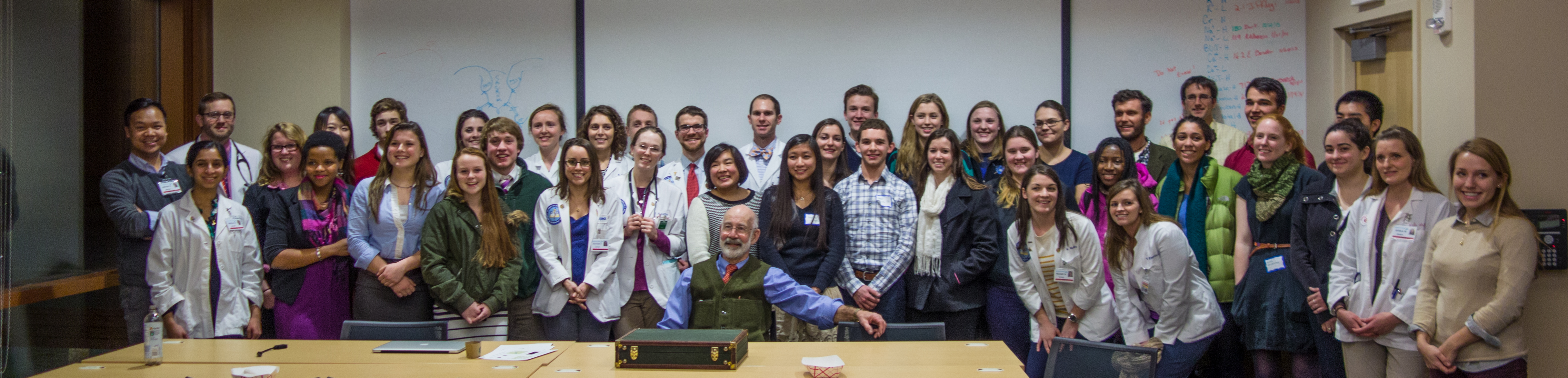
Our Human Anatomy and Physiology class will be presenting a series of talks on various diseases this coming Wendesday, January 28th 2015 from 9 until 11 AM on Colby’s campus in the Olin 01 auditorium, beneath the Olin Science Library. Each of the five 15 minute talks will be followed by a brief Q&A and will cover the following topics:
- Celiac Disease
- Oligoastrocytoma
- Atypical Hyperplasia of the Breast
- Postpartum Coronary Artery Dissection
- Coronary Artery Bypass Grafting vs. Stent Implantation
The presentation is free and open to the public and light refreshments will be served.
Categories: Grand Rounds · Human Health · Special Activities · Uncategorized
Tagged: flyer, Grand Rounds
January 22, 2015 · 1 Comment
We were very lucky to have visitors to our class on Monday the 19th, MLK day, from a number of High Schools in Maine. The high schools included Lincoln Academy in Newcastle, Foxcroft Academy in Dover-Foxcroft, and even a home schooled Junior. The visit was designed to help the ten visiting students get a better sense of human anatomy and physiology in the hope of developing science fair projects for the Maine State Science Fair being held on March 21st in Bangor. The day was organized in conjunction with the Maine Math and Science Alliance and the Colby Goldfarb Center. For my part I was hoping to drive the material further into the brains of my students by following the aphorism the person who comes to teach learns the keenest lesson, while inspiring the spirit of mentorship towards the visiting students. The day started for my students at 9am with a practical lab exam covering the anatomy of:
- The central and peripheral nervous systems
- The eye and ear
- Sensory receptors
- The cardiovascular system and blood
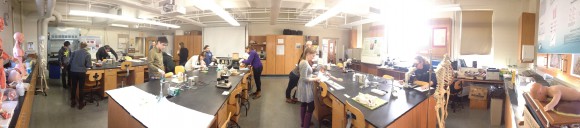

The lab has been up in Arey 307, typically the turf of microbiology lab, but for a month transformed into a splendid anatomy lab.

Danielle Levine (’15, Biology) contemplating a synaptic bouton during the test.

Lauren Shirley (’17, Biology/Music) looking at a dissected pig heart and Ariel Oppong (’16, Biology) inspecting an eosinophil in a histologic blood smear.

Mayra Arroyo (’16, Biochemistry) peering through a stereoscope at the optic chiasm on the 3D plate of a dissected brain from the Edinburgh Stereoscopic Atlas of Anatomy published in 1911.
Following the lab test the high school visitors turned up. I had initially intended for the visitors to start with an Art & Anatomy scavenger hunt similar to the one that I had designed for my students last week in the Colby Museum of Art, except this one would be based on clues created by the Colby students themselves, however the timing didn’t workout with the visitors being able to visit on their day off from school and MLK day falling on a Monday, the day that the museum is typically closed. Instead the students got to tour the lab and then participate in dissections of pig heart specimens. Rather than type out a description of the day I am simply going to reproduce the official event summary drafted by Stefany Burrell from MMSA, punctuated by annotated photos from the day taken by myself, Amanda Cooley of the Goldfarb Center and Stefany Burrell and Lynn Farrin of MMSA.
Notes from Colby J-Term Anatomy & Physiology Mentoring Session 1/19/2015
10:15 High school students from Lincoln Academy, Foxcroft Academy and a homeschool met Dr. Klepach’s class outside of the science buildings. It was a mild 40 degrees and sunny. Everyone headed into a lab in the Arey Building for an introduction.
10:30 Dr. Klepach welcomed the visitors and described his philosophy on science and teaching. The students were struck by his enthusiasm and knowledge. Many were inspired by his belief that teaching is learning.

Introduction by Stefany Burrell and Dr. Klepach.

Lynn Farrin (left) and Stefany Burrell (right) of the Maine Math and Science Alliance.
10:45 The students introduced themselves and the formed five groups, each with two high school students and three Colby students. Prior to this meeting, the class completed a lab exam. The exam consisted of approximately 30 questions in which students needed to identify various parts of human anatomy. The exam was broken into four sections: eyes, ears, nervous system and vascular system. As an icebreaker, the college students walked their charges through the exam, explaining what the physical models represent. The exam also included microscope slides, diagrams and a real pig hearts.

The Colby Human Anatomy and Physiology class started escorting their visitors around the test that they had finished less than an hour earlier.

Lauren Shirley is discussing the chambers of the heart with her fellow Colby students, Allison O’Connor (’17) and Cal Robbins (’17, Cellular/Molecular Biology) to the left and Dover-Foxcroft HS sophomores Bonnie (second from right) and Erika (far right).

Mayra, flanked by her Colby group members Ivan Yang (’17, Cellular/Molecular Biology, left) and Chris Lee (’17, Cellular/Molecular Biology, right) points to structures on a model of the heart to help Lincoln Academy seniors Abby (second from right) and Andrea (far right) understand what they are seeing on the dissected pig heart in front of them.

Erika getting a chance to look at the Edinburgh stereoscope slides.

Ivan discussing a cross sectional model of the spinal cord.

Can (John), a Lincoln Academy freshman (center), inspects a left coronary artery dissection as Colby students Yvette Qu (’18, left) and Alex Lucas (’17, Neuroscience & Sociology) look on.
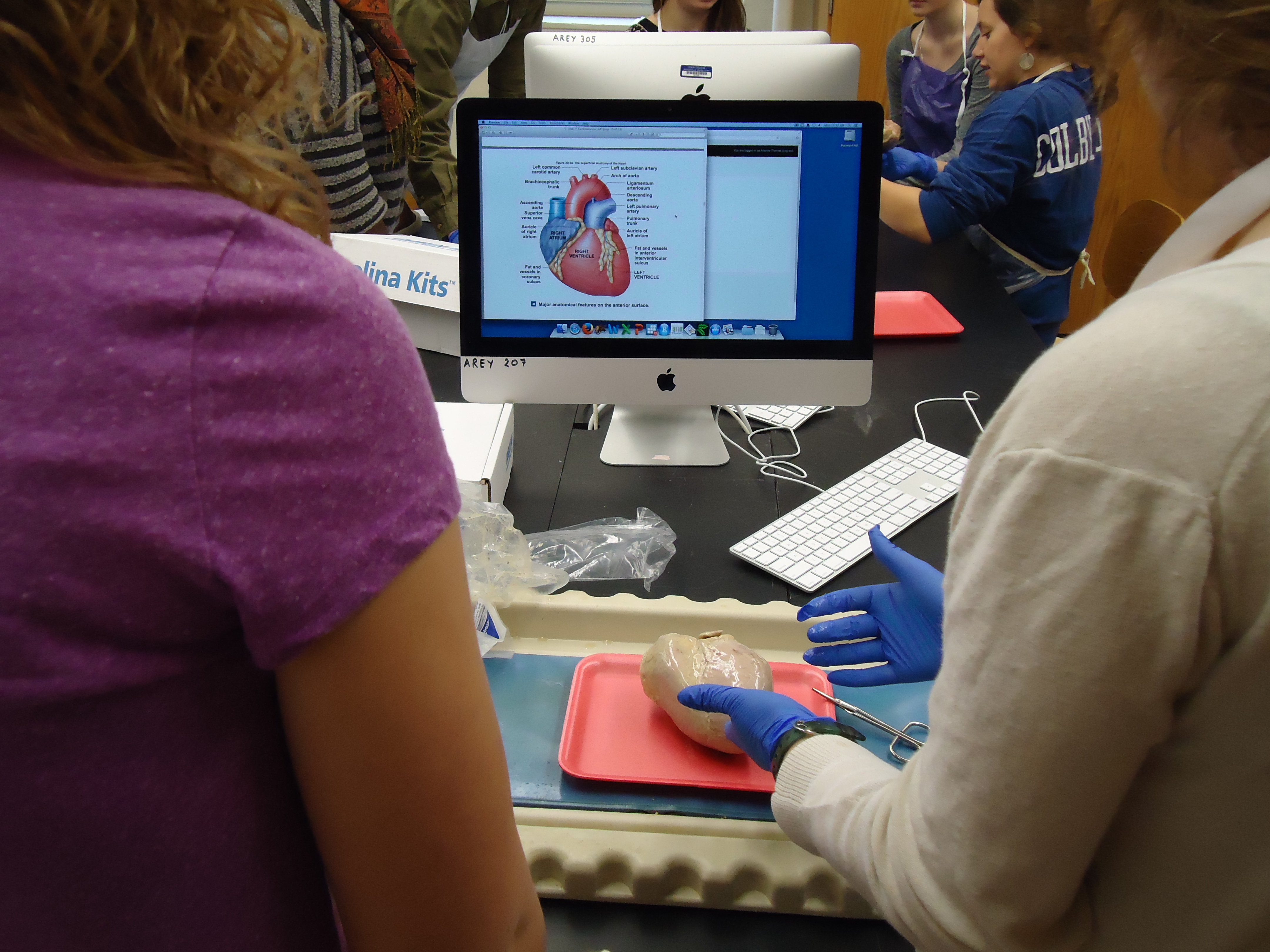
11:10 The group moved to another lab where they put on gloves and aprons to dissect pig hearts. Each dissection station included a computer with loads of diagrams to assist in dissections. Under the Colby students’ guidance, the high schoolers dissected the hearts. Dr. Klepach moved around the room, answering questions as they came up. He took a few minutes to explain how blood moves into and out of the heart before and after birth.

Enormous cow heart ready for dissection.

Students preparing to dissect a pig heart try to orient themselves based upon surface anatomy.

Danielle discussing the surface anatomy of the heart with Cierra, a Dover-Foxcroft sophomore, and Shea-Lynn, a home schooled junior, as her classmates Ari Thomas (’16, Neuroscience, far left) and Laurel Edington (’15, Biology, second from left) look on.


Ashley (left) and Norma (center), seniors from Lincoln Academy, make the first cut into a pig heart as their Colby mentor, Rebecca Gray (’18, Biology / History), looks on.


Thilee, a senior from Lincoln Academy explores the left ventricle.

The aortic and mitral valves revealed!


Dr. K goes to the board to explain the flow of blood through the chambers of the heart.

12:00 Everyone got cleaned up and walked across campus to the Foss dining hall for lunch. Many people were drawn to the location as there was a noontime speaker in honor of Martin Luther King, Jr. Day. The crowd was thick and the supply of dishes and cups was low, but the food was delicious. Dr. Klepach had reserved a room for the group to eat lunch together. Many of the high school students were a bit overwhelmed trying to get their food amid such a crowd.

12:45 The next stop was the Olin Building, to a lecture hall below the science library. The students returned to their groups and Dr. Klepach introduced the final activity of the day: developing testable questions for science fair projects. Using a SMART Questions document produced by MMSA, the students came up with questions related to anatomy or physiology. They honed their questions and discussed how they might go about answering the questions.
One group had a good discussion about parameters that students can easily measure such as blood pressure, pulse, body mass index and body fat percentage.
Two other groups were curious about the physiological effects of various emotional states such as fear or amusement. They considered the use of video clips to trigger different emotions.
Another group, spurred by one student’s interest in livestock, was stumped by how they might measure parameters in a cow.
One pair of high school students, knowing that they would not be doing a science fair project, took the time to ask their mentor about college life.
The final group wanted to explore body image, comparing how people view their weight to reality. They came up with a good research plan that involved anonymous surveys asking people to describe if they think they are underweight, overweight or at a healthy weight. The subjects would guess at their weight and then use a scale to determine their actual weight.
Dr. Klepach asked each group to report out and asked thought-provoking questions such as how students would isolate variables. He also asked the students about the limitations of common measurements such as body mass index.

1:45 To wrap up the day, all participants filled out surveys. High school students and college students took separate surveys that asked about their motivations for participating, what skills they honed and what they considered to be the day’s highlights.
I thoroughly enjoyed having the visitors in the class and look forward to having them back in the future for this and other activities.
~Dr. K
Categories: Lab · Special Activities · Uncategorized
Tagged: Goldfarb Center, Lab, MMSA
January 17, 2015 · Comments Off on JanPlan 2015 Lab: Cranial Osteology, Art and Anatomy, and more…
The active learner is the engaged learner, thus lab is an essential part of the semester here in Human Anatomy & Physiology. Here are a few images from lab so far…

Cameron Matticks (’15) was a student in the class in January 2014, and has returned as our TA this year as part of an internship that has had him shadowing nurse practitioners in the wound care unit at Inland Hospital in Waterville. Here he is sorting out the histology slides for an upcoming lab.

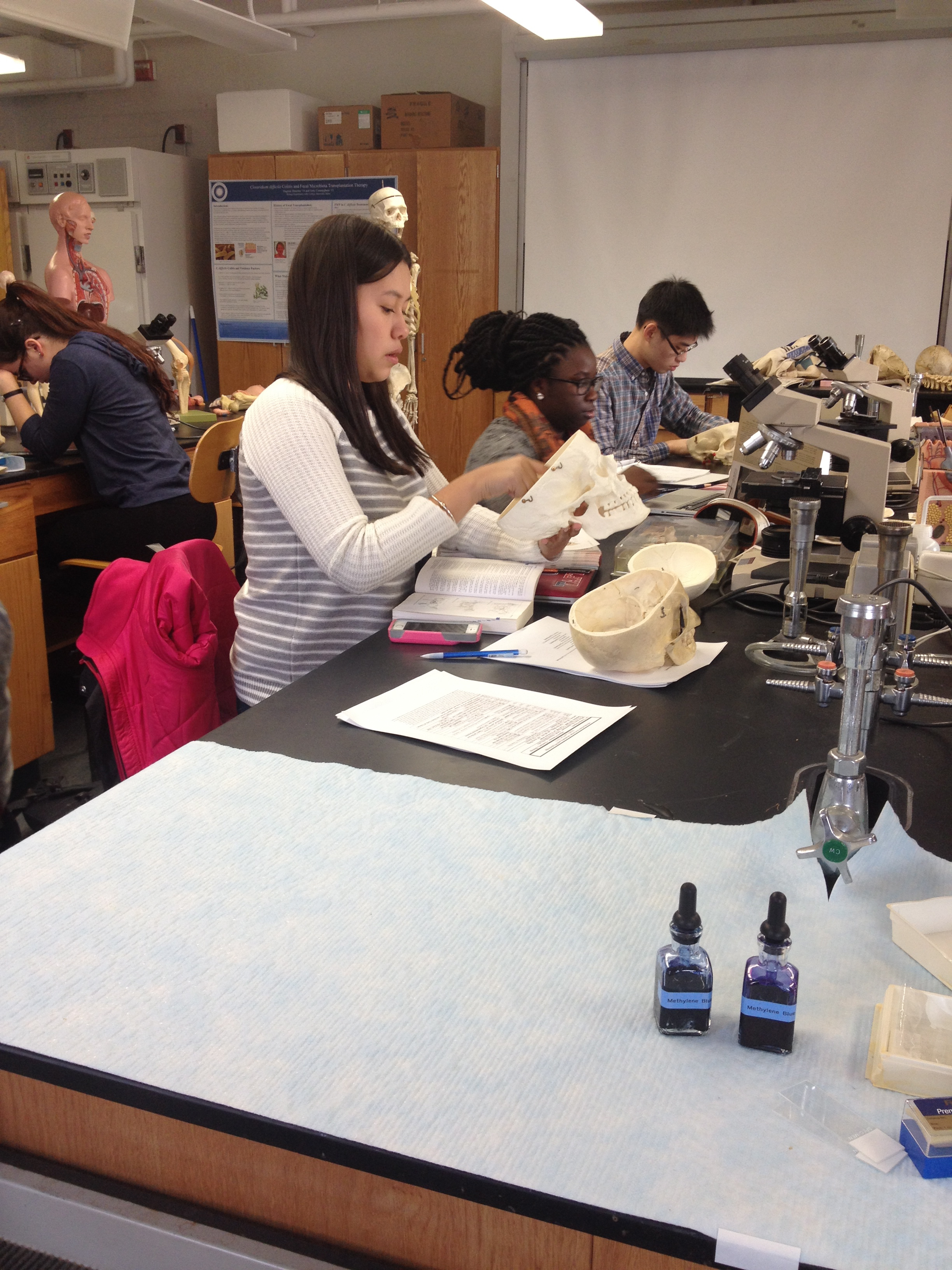
Left to right, Mayra Arroyo (’16), Ariel Oppong (’16), and Jay Lee (’15) in lab absorbed in the process of learning the osseous features of the cranium. Foramen magnum, foramen rotundum, foramen ovale, foramen spinosum… who knew there were so many holes in your head?

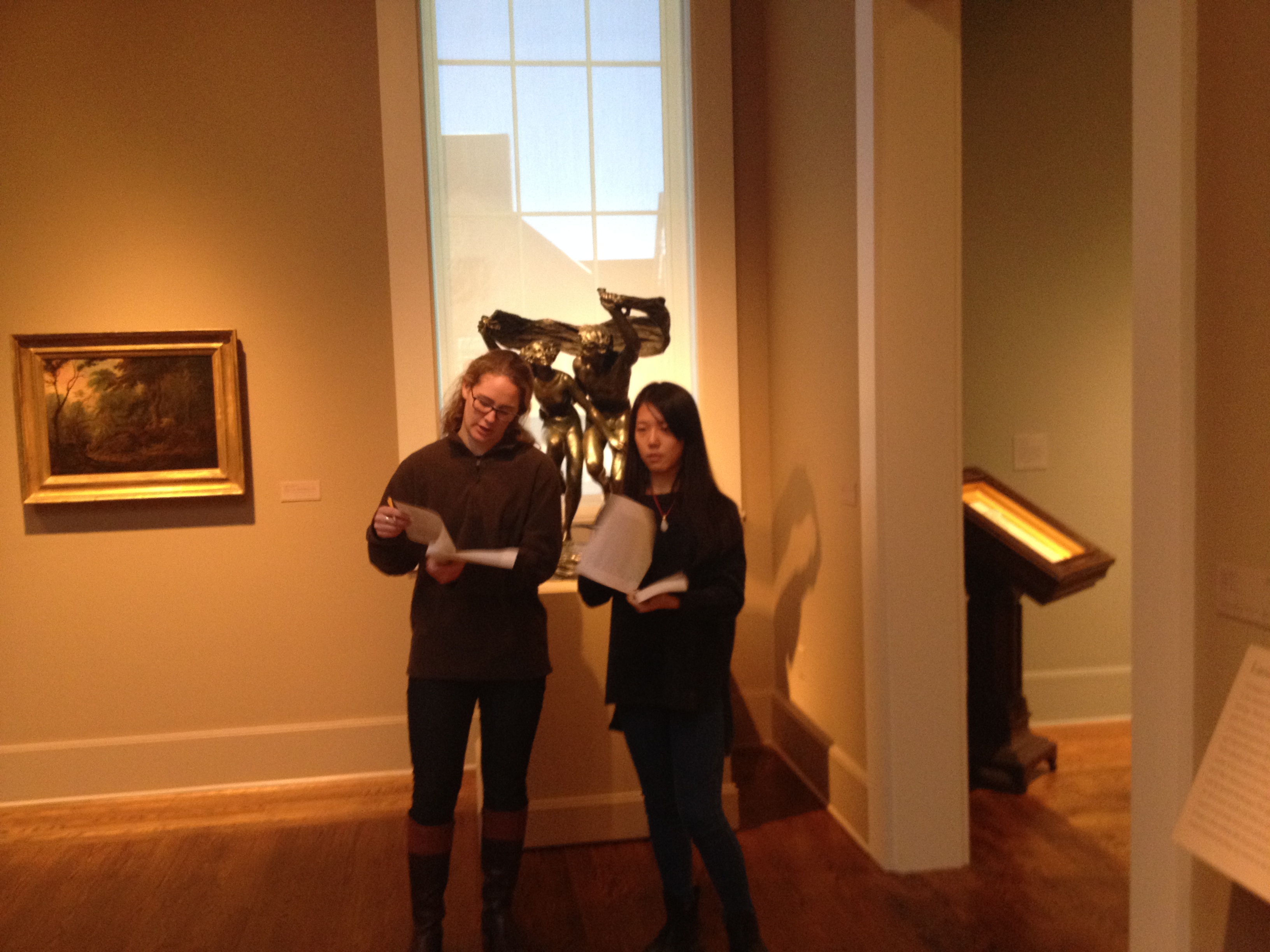
After the students learn the skeletal muscles in lab they get to test their knowledge in the Colby Museum of Art on the Art and Anatomy scavenger hunt. The students are given a specific muscle to search for that features prominently in an unnamed piece of art in the museum. As an additional clue they get a brief bit of art history on the piece in question. Here Ari Thomas (’16) contemplates John Rogers’ The Wounded Scout: A Friend in the Swamp as she searches for the flexor carpi ulnaris muscle.

Alex Lucas (’17) and Yvette Qu (’18) try to decide which clue to pursue next after finding the deltoidius muscle in Malvina Hoffman’s Bacchanale Russe. The sculptor was a master of human anatomy. Prior to the date of this particular casting, she had upon the advice of the famous Auguste Rodin, with whom she studied, traveled to the prestigious Columbia University College of Physicians and Surgeons in New York City, the town of her birth, to spend a year dissecting human cadavers and learning human anatomy, highlighting the close relationship between anatomy and art that has persisted throughout the ages.
Categories: Lab
Tagged: Art and Anatomy, Dr. K
February 14, 2014 · Comments Off on Breanna Davis: My January Experience
Breanna Davis: 2/14/14

This Jan Plan, 2014, I was given the opportunity to take an Introduction to Anatomy and Physiology class with Dr. Thom Klepach. I have always loved Anatomy and Physiology and I hope to be a medical doctor some day, so it seemed necessary to take a class about the human body in College. Going in to the class, I had expected that I would be in class for around 3 hours, 4 days a week. I also expected that I would do really well on the quizzes and tests because I did very well in Anatomy and Physiology in High School. However, I did not expect what actually happened, which was to be pushed to my limits, learn about myself when under stress, and learn how to present a case-study.
I am a student-athlete at Colby and a student-worker. This allows for less time in my day that can be spent freely as I choose. I am a sophomore, so I have learned how to keep a healthy lifestyle and balance all my commitments in the past year. However, this January was something I haven’t quite experienced yet. In the Anatomy and Physiology class at Colby, I learned so much more than the names of the body and how the systems of the body work. I learned how to communicate with my boss, my coach, and my teacher in ways I haven’t yet done.

Our hockey schedule switches away games to home games each year. Last year, we had only one weekend away during Jan Plan, Connecticut College. This year, of the four JanPlan weekends, we had three away games, Trinity, Amherst, and Williams. We didn’t get back before 12 on any of those Saturdays because it was snowing every night when we came back. The one weekend home was our Alumni Weekend, which ended up being just as time consuming as an away trip. Some people would say, “Why put yourself through that?” My answer would be because we love our team and the sport. We aren’t quite ready to give up competing at a high level.
Having multiple commitments makes it hard to prevent them from ever overlapping. If you miss practice, you won’t get as much playing time. If you miss school, your grade will go down. If you miss work, you don’t make money. I managed to only miss work 3 times and practice once because of class. I realized that being a student-athlete may make things more complicated and may take away from the classroom, but I realized in this class that learning how to balance many commitments and keep my stress levels down will be a very important skill in Medical School.
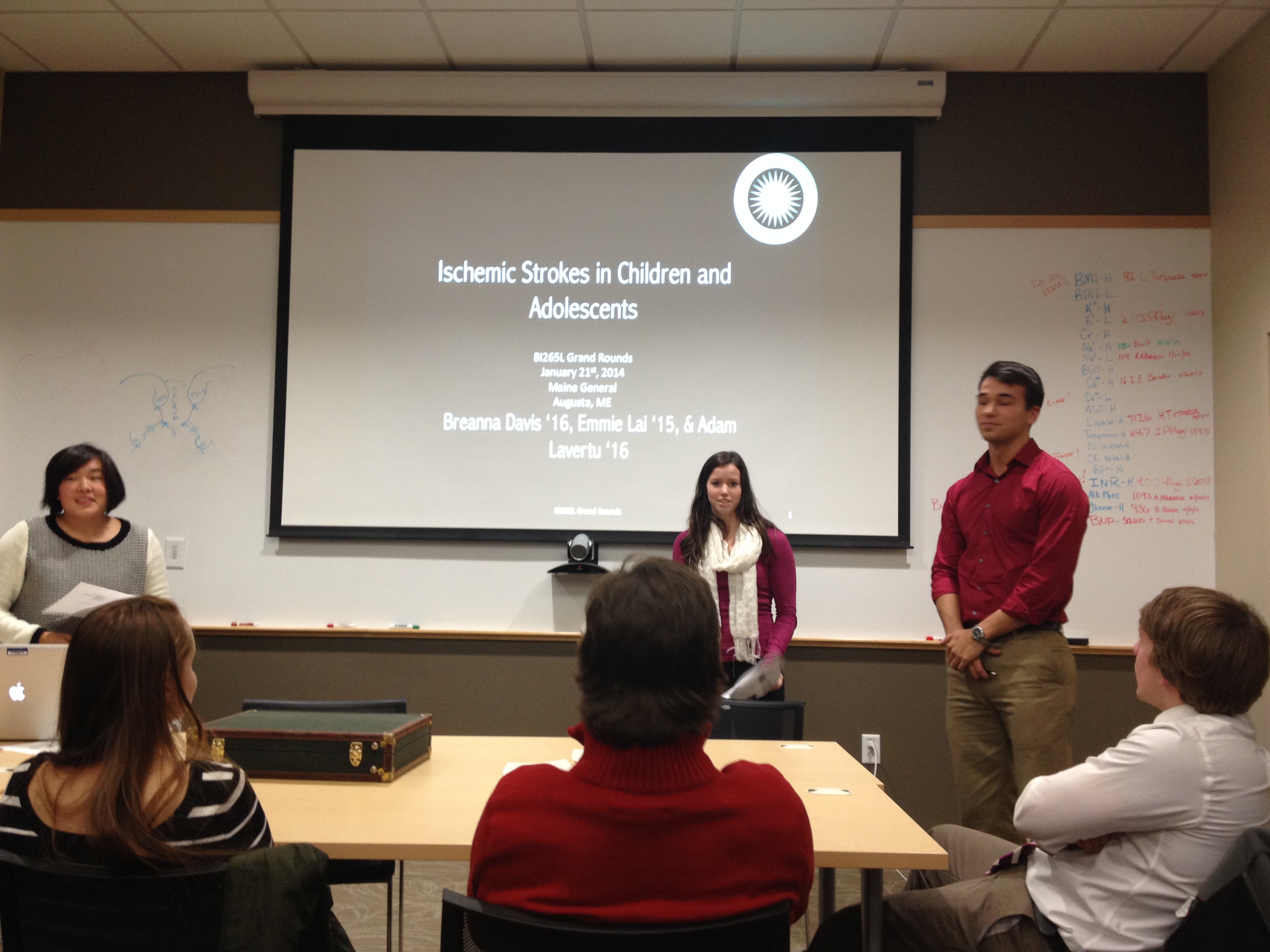
Because I found a balance, I was able to go on the trip to Boston to see the Body World Museum, take a tour of MaineGeneral by 3rd year Medical Students, and present a case on Strokes in young adults to Doctors. With just those field trips, I would have felt like my Month of January was a success. For me, those trips helped me learn more about Medical School, anatomy, and presenting to a crowd than sitting in a lecture could. The lecture is necessary to get knowledge, but I believe the real learning is done by trying, practicing, touching, and taking what is learned in lecture to real life situations. The reason why I would recommend this class to anyone, even though it did put me in over my head, is because of the field trips and projects we did. This class did a great job teaching beyond the classroom.
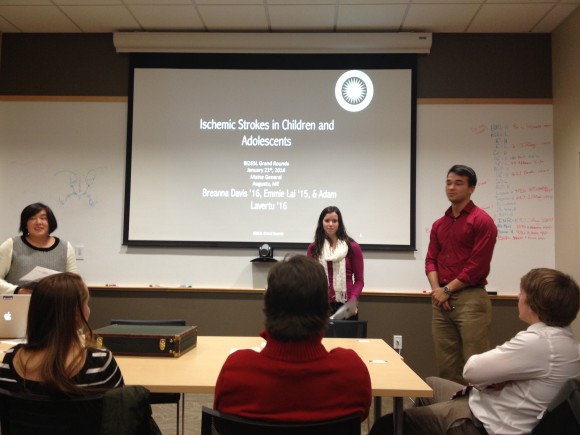
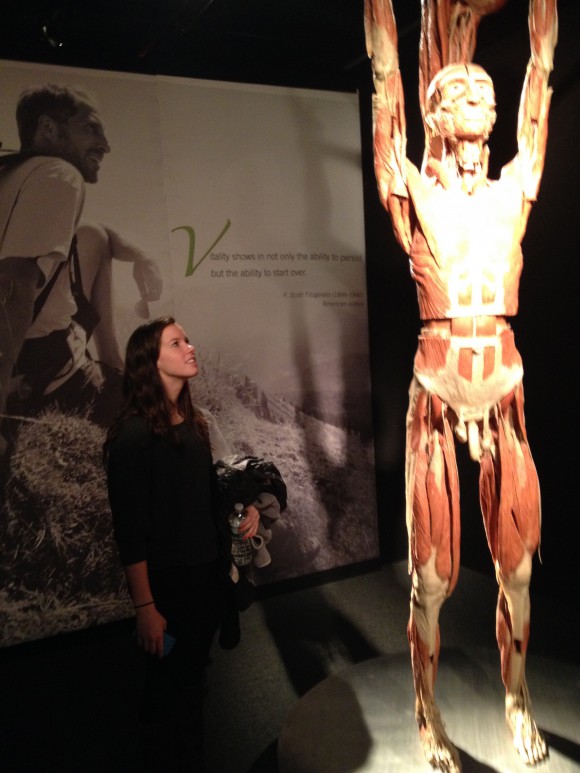
My coach came to our group’s presentation and learned about Ischemic Strokes in Young Adults. The other day when she sent me an article about a professional hockey player, age 28, that had a recent stroke, I realized that my grand rounds talk had made a difference. Our group’s main focus was to raise awareness of strokes in young adults because they have increased in recent years. In the article, the hockey player happened to say almost the exact same thing. He listed symptoms, as we did, and said to get checked immediately instead of trying to stick it out. I felt accomplished that I made my coach aware enough to notice the news. It was fascinating to see that something I had created in “class” could be so important and relevant to today.
As a whole, the class affected me in a positive way and taught me important knowledge, taught me useful life skills, and it allowed me to create connections with people I may work with in the future.
Categories: Body Worlds Vital · Grand Rounds · Maine General
Tagged: Breanna A. Davis
February 14, 2014 · Comments Off on Peter Wirth: MaineGeneral Augusta
Peter Wirth

Our class had the opportunity to visit the new Augusta campus of Maine General. Medical students first gave us tours of the new hospital. Many of the students were from the University of New England, while some were from other schools on rotation at MaineGeneral. Three students, none of which were from UNE, showed Emma and me around. Each student brought a unique perspective to medical school; one student went to Dartmouth, one was at the University of Oklahoma, and one was Canadian at medical school in the Caribbean. They were all very helpful and honest in giving Emma and me answers about the process of applying and attending medical school.
Both Emma and I are pre-med, so we found their advice to be especially helpful. Since they each had taken a very different route to end up in medical school, their advice underscored the importance of studying what we enjoy during undergraduate years. In addition they told us that at many of their interviews it was not MCAT scores that were discussed; rather, they were asked about their hobbies, their aspirations, and their reasons for becoming a doctor. These students greatly reduced my anxiety and showed me how they all made it work.
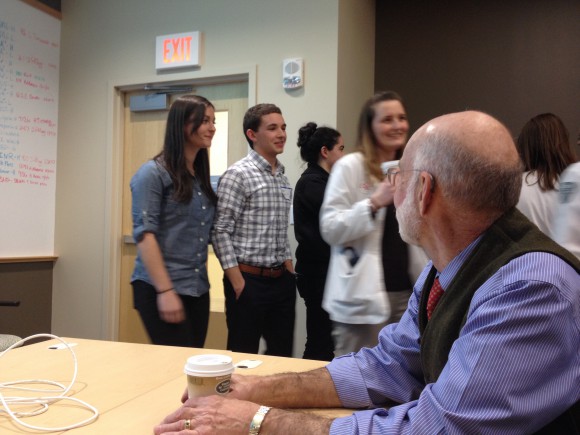
While talking to these students, we were showed around the hospital. We were able to see several wards, as well as the ER, library, and several rooms for residents and students. The hospital is beautiful, new, and state-of-the-art. The hospital rooms were large, comfortable, and inviting. Each room had its own bathroom attached. Some parts of the hospital reminded me more of a hotel than a medical facility.
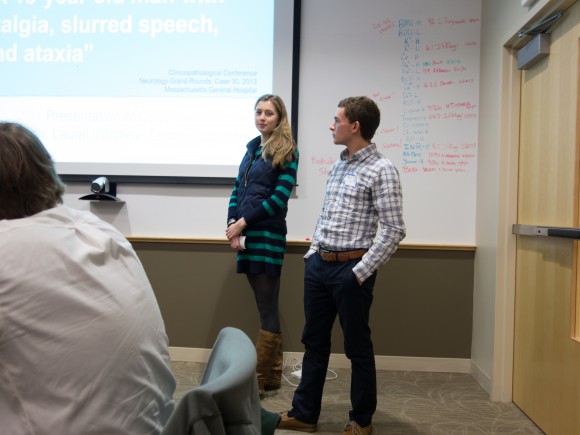
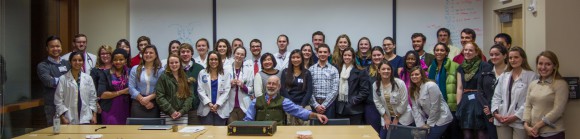
Following the tour we began listening to presentations from fellow Colby students, as well as Kent’s Hill high school students. Each topic was very unique and all the students did an incredible job presenting. Some groups presented an interesting case study from the New England Journal of Medicine, while others presented a disease or disorder. Our group presented on a case of a college student who developed a brain infection following a diagnosis of mononucleosis. The audience of students and doctors was kind in their assessment of our presentations and complemented our ability to make sense of a very complex case.
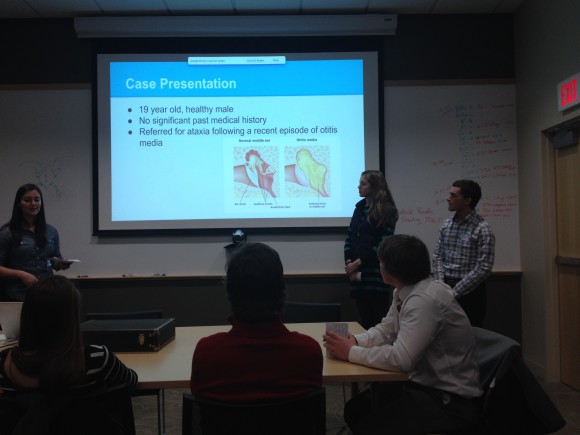
This trip was helpful for me because it gave us the opportunity to interact with medical professionals (and those in training) in a relaxed environment. All of my questions were well answered and clarified many aspects of the medical school application process. In addition, being able to see these students interact with doctors and other hospital staff was insightful as to how the students were integrated into the healthcare profession.
Overall, this trip reminded me why I was pre-med; it is all too easy for me to get caught up in GPA, lab reports, and exams and forget the main reason why I’m doing it in the first place. Seeing patients and being able to provide a benefit to them and their families is an incredible opportunity that people in the medical profession get to do. Visiting MaineGeneral definitely reminded me why I am pursuing this career path and allowed me to meet students who are like-minded individuals on their way to becoming doctors.
Categories: Grand Rounds · Maine General
Tagged: Peter J. Wirth
February 14, 2014 · Comments Off on The MaineGeneral Medical Center Experience
Amanda Millatt

On January 21st, 2013 at 5 pm my anatomy and physiology class embarked on a journey to the Alfond Center for Health. This newly constructed hospital located on Old Belgrade Road in Augusta, Maine opened on November 9th, 2013 (Edwards, 2013). This hospital is a $312 million facility part of MaineGeneral Medical Center. The Alfond Center for Health consists of 192 beds in single occupancy rooms and employs approximately 1,700 people (Edwards, 2013).
My class of 18 students travels about 20 minutes on a yellow school bus to get to the Alfond Center for Health. As we approached the approximately 64,000 square-foot facility I could not help but think that the modernized to almost futurist architecture completely modified the atmosphere of the hospital (Edwards, 2013). The welcoming building was painted a mellow green, thus the building is perceived by the guest as calming rather than terrifying. The building also utilized windows, which stretched from the roof to the ground. The entrance also welcomed guest with an abundance of plants and benches. The whole class gazed at the building and then processed into the building stopping at the front desk.
The inside of the hospital continued the natural , calming atmosphere with earth toned walls and decor. The employees had a soothing smile as they walked past our large group. At that point I was convinced that I was no longer in a hospital. A traditional hospital would have an eerie and reserved aura that causes patients to feel uncomfortable. We continued to create nametags while sauntering up the stairs. The hallway was lined with plaques about the history of healthcare in the region leading up to the construction of this building. We followed it to a moderately sized conference room filled with residents of the University of New England Medical School. There we were split up into tour groups; we were organized into groups of four Colby students and two medical school students. My tour group started at the welcoming building’s front desk. Our guides informed us that the purpose of the building design is to have the patients feel that they are closer to nature, which will help with their rehabilitation. I agreed with that, the hospital embodied nature even before you stepped into the door.
While walking to our next destination, out patient rooms, I noticed that my tour guides had a badge attached to their stark white lab coats that read “D.O”. I had never seen or heard of that acronym before now. So out of curiosity I asked “ What does D.O stand for?”. The tour guides did not look astonished or insulted as I originally expected them to, instead one responded that a D.O is a doctor of orthopedic medicine. They continued with saying that this type of doctor is taught everything that a M.D is taught, however they focus on more on healing through massaging tissue rather than medicating their patients. I found that the technique of D.O’s are more logical than modern medicine practices, which made me wonder why D.Os weren’t as common as M.Ds. All that I could conclude was that the Doctors of Orthopedic Medicine are the most sensible choice for the modern appeal that the Alfond center desired.
We then continued to the peculiar out patient rooms. The rooms’ front wall was replaced with a larger, clear sliding glass door; this was unlike other examination rooms. I had always felt confined in the small windowless examination rooms at my own hospital. These rooms were spacious and colorful, however the windows created openness to a room that I felt needed more privacy. I was afraid to ask if the doctors felt pressured or awkward while examining patients because anyone could see their performance.
We only went to two other areas on our tour; the doctors on call rooms and the cafeteria. There were about six rooms for the doctors that are needed by the hospitals in the early mornings or at unusual times at night. These rooms were equipped with a flat screen television, computer, bed, bathroom, desk and telephone. The room may have been simple, but it was successful in serving its purpose. As the guides discussed the purpose of the rooms, I realized the hectic and unorganized life of a doctor. Doctors sometimes have to spend days at the hospital without seeing their family or getting a break. I had always wanted to be a surgeon; nevertheless I do want to have a family and social life separate from my career. After being in this hospital for an hour I had completely changed my perspective of hospitals and my future.
Our final destination on the tour was the cafeteria. The cafeteria was brightly lite and painted vibrant colors. The tour guides told us that we will find a table and they would continue to answer questions about the healthcare field. We sat at a rectangular table that was far away from everyone in the room and the question segment of the tour commenced. To break the silence, I asked about the process of applying to medical school. One of our tour guides told us about applying through a medical school common app, tips for the interview and selecting a medical school to attend. Then she talked about how some of her peers applying to medical school did not apply after completing their undergraduate degree. Some traveled around the world and others decided to play sports. They all decided that they needed a break before going on the stressful path of becoming a doctor. I had not considered taking a break, but the popularity of this option had increased among pre-med students. She continued with saying that some medical schools appreciate that the applicant has more real world experience because this shows that they are confident about attending medical school. After about an hour of small talk it was time for the grand rounds, which are presentation about medical case studies by high school students from Kent Hill and Colby College students. Our tour had ended and so did my naive perception of healthcare.
I did not realize that this class trip would teach me so much about doctors and hospitals in general. I have always thought of hospitals as creepy and daunting because of my hospital’s design. After visiting the Alfond Center of Health, I can now see that the future of healthcare is bright. If more hospitals renovations were inspired by the Alfond center than more patients would not be as anxious to attend routine examinations. I also learned that I needed to critically think about my future as a doctor. I have always wanted to be a surgeon, but the long days and stressful medical school education caused me to reconsider. I am only a freshman in college; I still have time to reconsider my life choices. I am glad that I was able to have this experience; it has changed my life.
Resources
1. EDWARDS, KEITH. “MaineGeneral Opens Alfond Center, Naturally.” Portland Press Herald. N.p., 29 Sept. 2013. Web. 04 Feb. 2014. <http://www.pressherald.com/news/mainegeneral-opens-alfond-center-naturally_2013-09-29.html?pagenum=full>.
Categories: Maine General
Tagged: Amanda J. Millatt
February 14, 2014 · Comments Off on Lizzy Gorence: The JanPlan A&P Experience

Taking the JanPlan Anatomy and Physiology course at Colby College over the past month has been an experience that I would consider not only unique to liberal arts colleges with a January program, but distinctive within the Colby environment as well. Yes, as an anatomy and physiology student of Dr. Klepach’s, pupils are given the opportunity to tour the new Maine General facilities in Augusta with a third-year medical student, to dissect a pig heart, and to apply biological sciences to fine arts in the gorgeous Colby museum. However fascinating and wonderful these experiences may have been, they could likely be replicated in similar courses at other schools. What I found most unique about the Colby Anatomy and Physiology course as a senior about to embark on her final semester of undergraduate study, was that Dr. Klepach gave us students his permission to do poorly (at least in the quantifiable sense) on assignments. Sometimes he even predicted that we would! As long as we were engaged during class and dedicated to learning the material, Dr. K. reassured us that our final grades would reflect our work and that we would have more fulfilling experiences overall.
Admittedly, this approach was initially very hard for me to stomach, and I suspect that some (or many) of my classmates shared my discomfort. As a Colby student, I’ve grown accustomed to finding academic success in the form of a percentage marked in red pen on my assignments, which is usually directly proportional to the amount of time I spend on the third floor of Miller Library. Usually, with a number of notable exceptions, I’ve been able to hammer through difficult material at Colby simply by staying up late with it, sleeping in on it, or sometimes simply putting it off until the pressure really sets in. Essentially, my learning process in college thus far has been based on repetition and revisiting material. However, as any mule can attest, we students are not afforded the same luxury of ruminative study time during JanPlan as we enjoy during the fall and spring semesters. Instead, over the month of January each year, Colby students are immersed in a single subject of their choosing, in which we are given a sort of crash course.
While many of my fellow seniors chose to pursue an independent study or to plow through a Wharton novel every day, I, along with eighteen compatriots (including some very brave first years), chose to undertake Anatomy and Physiology during the month of January. Before the course, I had no clue just how quickly a month could zip by. Sure, one single month sounds like a short amount of time to learn about the structure and function of the human body, but I still felt pretty confident at the outset of Dr. K.’s A&P class. I was bolstered by my own fading memories of my high school Anatomy class and the widespread belief that JanPlan classes are so-called “jokes,” and are engineered to allow their students ample skiing time.
My false confidence was shattered fairly quickly after I received my first quiz grade under 50%. Even though Dr. K. reassured us that the material was very challenging and that none of us should be discouraged to receive grades we weren’t accustomed to, it was pretty unnerving. Over time however, I was able to detach myself from my Colby-conditioned urge to pursue a number grade, and began to focus more on the process itself. Ultimately, human anatomy and physiology is a subject that cannot be thoroughly covered, and its information cannot be wholly retained in the span of one month. It took me a short while to accept this, but thankfully Dr. K. had been cognizant of it long before we started class on January 6th. He was constantly reminding us, his students, that our goal during JanPlan should be to absorb as much information as we could, and to whet our appetites for future study of the human body. After all, medical students spend years learning about topics to which I’ve already experienced some brief exposure. For me that was pretty awesome, and totally inspiring.
Coming into my final January at Colby, I hadn’t expected to be surprised by my JanPlan course. I had the sort of been-there-done-that attitude that comes from spending three and a half years at a small liberal arts college in a small town. Instead, over January I experienced a class that was challenging in a different sense from the other courses offered at Colby. I was asked to step out of my comfort zone not only when dissecting a pig heart, but when thinking about my own learning process and my performance in the class. Anatomy and Physiology was stimulating, inspiring, and yes, sometimes pretty stressful (sorry, Dr. K.!), but I think it prepared me for life beyond Colby College in a sense that many of my other courses have not.
Categories: Uncategorized
Tagged: Elizabeth G. Gorence
February 14, 2014 · Comments Off on The Human Microbiome, Healthcare-associated Infections, and Probiotic Therapy
By Lizzy Gorence
Within the human body lives a diverse and abundant population of microorganisms. These microbes populate the surface and deep layers of the skin, the saliva and oral mucosa, the conjunctiva, the urogenital tract, and most significantly, the gastrointestinal tract. Although still not entirely understood and catalogued, studies conducted through the Human Microbiome Project (HMP), an initiative of the National Institute of Health, have revealed the presence of many thousands of species of bacteria, fungi, and archaea, which populate the human host. In fact, HMP studies indicate that there are at least ten times as many bacteria as human cells in the body, and that microorganisms account for approximately 1-3% of total body mass.
But we are in a human anatomy and physiology class, not a microbiology class, so why do we care? Well, without the presence and diverse composition of these microbial populations our own human cells would be unable to carry out the vital processes about which we’ve learned throughout the JanPlan term. Examining the mutually beneficial nature of the human-bacterial relationship is one of the central goals of the Human Microbiome Project. While the human microbiota varies in abundance, composition, and size among individuals, it is similarly vital for every human’s health and survival. Imbalances in our gut microbiota can have serious implications for our overall health because many bacteria in the digestive tract are able to break down certain nutrients that humans otherwise could not digest. Additionally, certain microbes that are ubiquitous in the gastrointestinal tract, such as Clostridium difficile, are also opportunistically pathogenic.
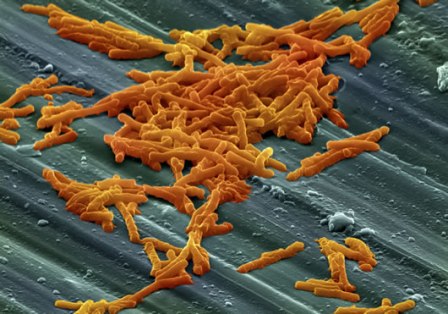
C. difficile causes illness in the human host when granted a competitive advantage over their cohabitating organisms. It usually gains this advantage in the bodies of people getting medical care, who may have taken an antibiotic that targeted an organism that competes with C. difficile for nutrition. It can also be transmitted through feces and is commonly transferred between patients on the hands of healthcare providers. Thus, C. difficile infections are categorized as healthcare-associated infections (HAI). While most types of HAIs are declining, C. difficile remains at historically high levels. When C. difficile populations increase to pathogenic proportion, the infection causes cases of diarrhea and intense abdominal pain linked to 14,000 American deaths annually. An estimated $3 billion in excess healthcare costs annually are spent on managing C. difficile infections. Therefore, finding effective and affordable treatment for this particular HAI is imperative.
Traditionally, when we think of treatments for infectious disease, we think of antibiotics. However, our developing understanding of the human microbiome has led many to believe that probiotic therapies will be just as (if not more) effective in the treatment of infections like Clostridium difficile. Personally, I’ve always found the concept of fecal transplantation completely fascinating. Once you move past the “ick factor,” it’s an incredibly effective and fairly intuitive treatment. By transplanting bacterial fecal flora from a healthy donor to an ailing recipient via enema, the competitive environment of the healthy gastrointestinal tract is restored. At the Mayo Clinic, the fecal transplantation program yields a 90% cure rate for C. difficile infections. While the practice of fecal transplantation has been streamlined over the 50 years since its introduction, companies like Rebiotix, out of Minnesota, seek to further standardize the treatment.
This small biotechnology company has developed a microbiota suspension that can be easily preserved, ordered on demand, and administered by medical professionals. In addition to sufferers of C. difficile, the Rebiotix treatment can potentially be effective for those afflicted by Crohn’s disease, Ulcerative Colitis, or Metabolic Syndrome. While their RBX2660 suspension is currently in phase 2 of its clinical trial, the product is poised to enter the market in early 2016. While products like this are still rare, and may seem foreign to those who grew up associating antibiotics with treatment and bacteria with illness, probiotic treatments represent a new understanding of the human body and the organisms it harbors. By augmenting microbial populations, probiotic treatments harness their power, and use it to improve the health of the host.
References:
- “Human Microbiome Project.” National Institutes of Health. NIH, n.d. Web. 27 Jan. 2014.
- “Clostridium Difficile Infection.” Centers for Disease Control and Prevention. Centers for Disease Control and Prevention, 01 Mar. 2013. Web. 27 Jan. 2014.
- “Clinical Updates.” Quick, Inexpensive and a 90 Percent Cure Rate. Mayo Clinic, n.d. Web. 26 Jan. 2014.
- “Powerful Therapy, Delivered.” About Clostridium Difficile Infection. Rebiotix, n.d. Web. 27 Jan. 2014.
Categories: Human Health
Tagged: Elizabeth G. Gorence
February 14, 2014 · Comments Off on Emma Roberts: My Human A&P Experience
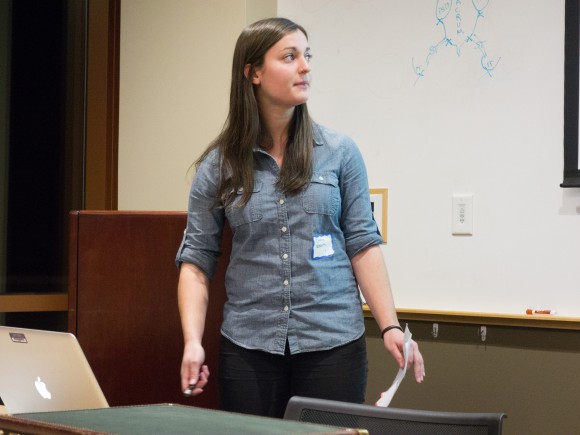 The trip to Maine General Augusta hospital was the highlight of the Anatomy and Physiology janplan. Besides touring the hospital and giving a talk to a room full of 40+ doctors, we were given the chance to spend over an hour talking personally with medical students. A friend and I toured the hospital with three medical students, two fourth years and one third year. Since I got to Colby I’ve been back and forth deciding if I want to follow a pre-med track or not. Talking with the medical students completely changed my perspective on medical school and made me sure that’s what I want to do, and so I’m really grateful that I had the chance to take this class and take advantage of this opportunity. I’m a French major and so I have interests other than necessarily pursuing the sciences. However, talking with the medical students made me realize that taking time off between undergrad and med school and learning in depth about another topic is a really valuable asset to bring to the classroom. One of the fourth years told us that he went to graduate school to study theology and become a teacher and after a few years of that went back to finish his pre-med requirements and take the MCAT. Another fourth year told us that she spent a couple years off doing research before med school. The third year student told us that she went straight to med school, but sometimes wishes she had taken time off, and really appreciates what the students who did take time off can contribute. I loved being able to hear about the paths they took to get to medical school, and I know now that it may actually benefit me in the long run to pursue other interests before finally applying to med school.
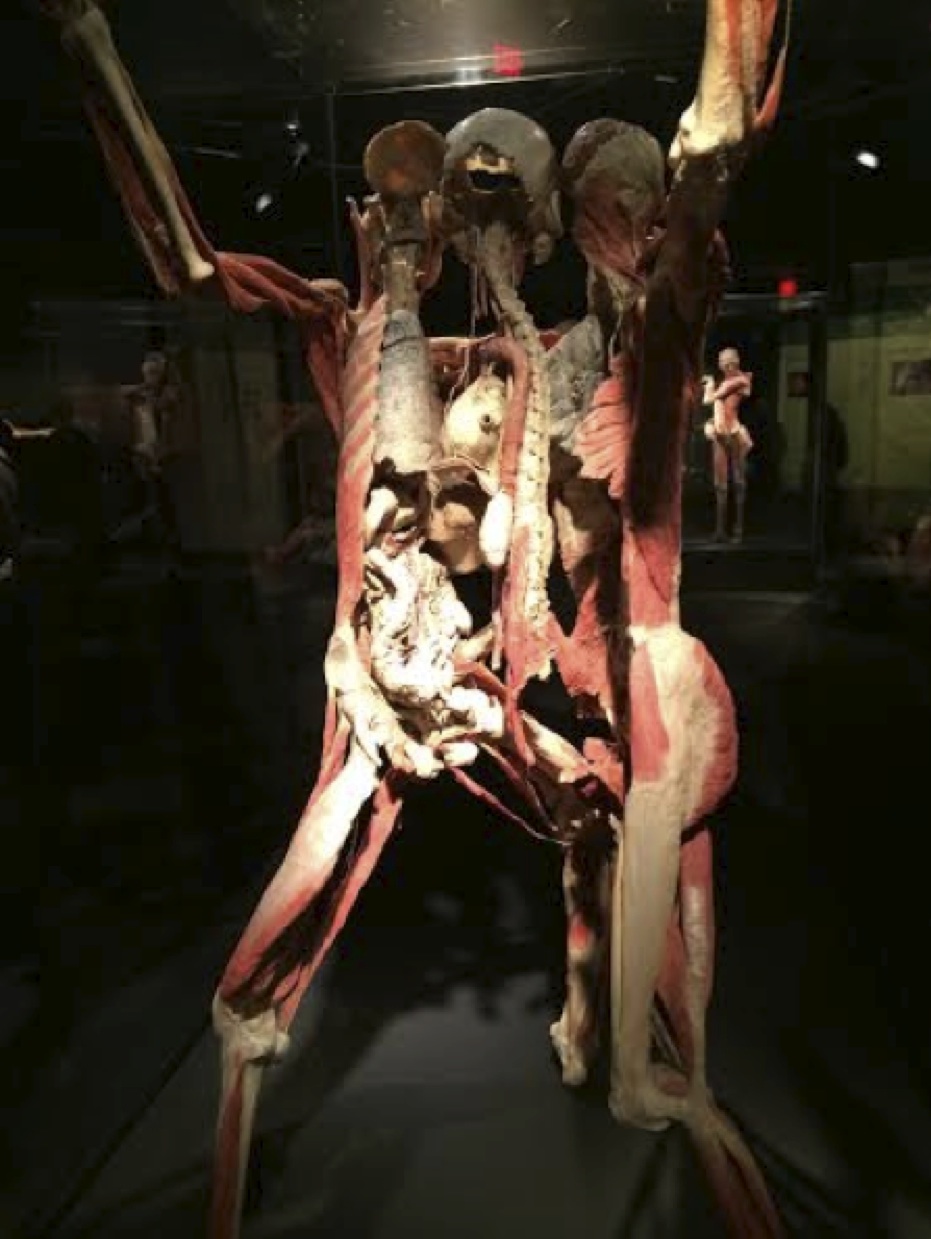
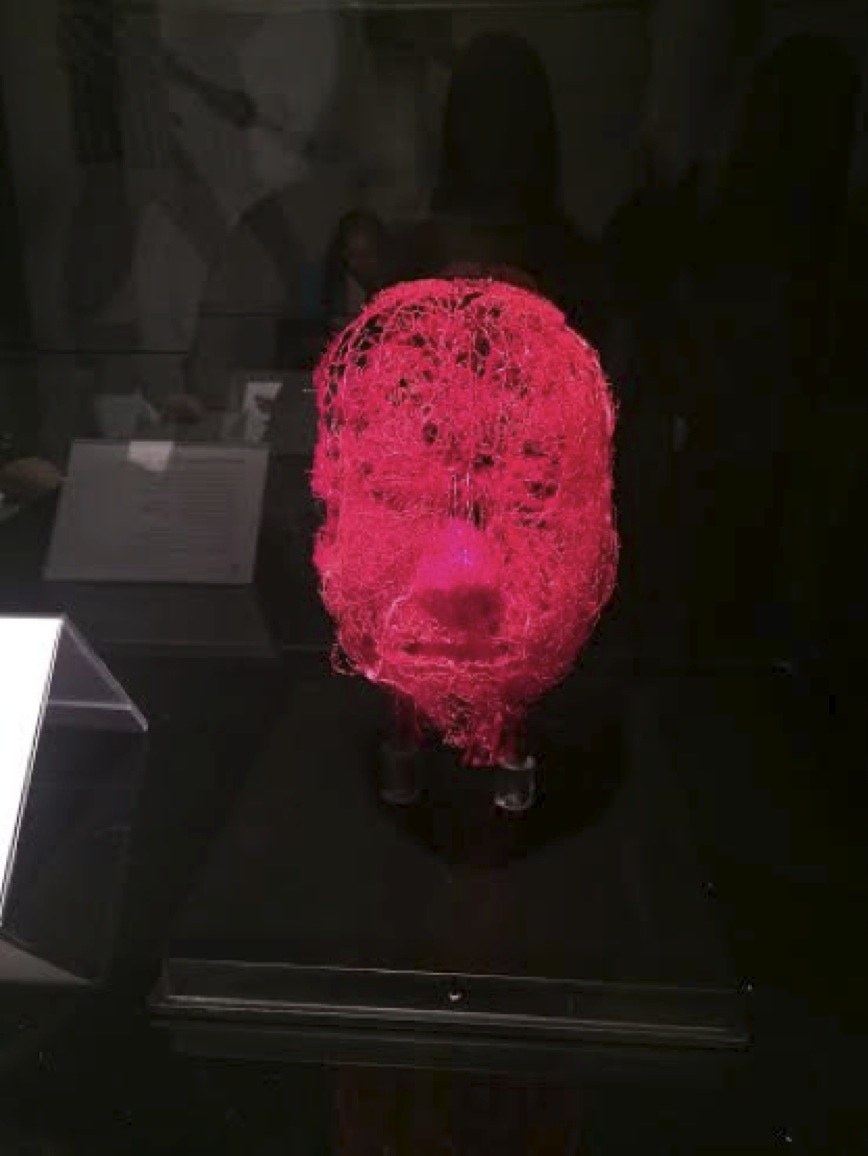
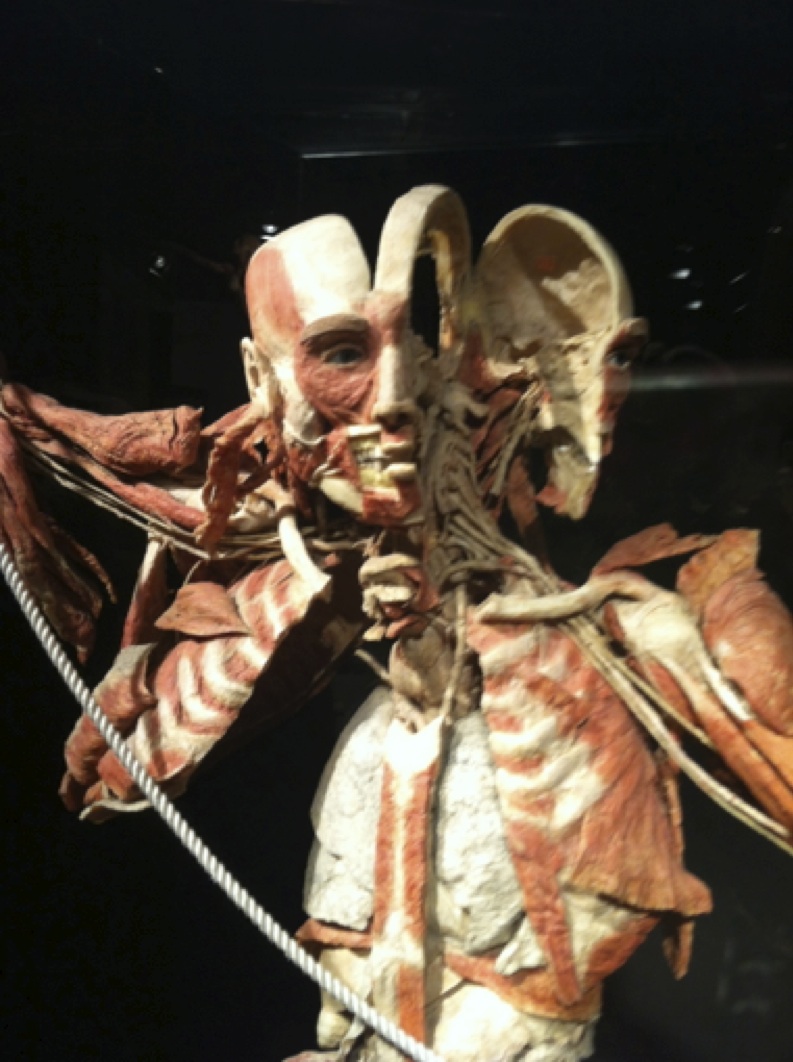
One of the other highlights from the janplan was the trip to the Boston Body World Vitals exhibit. There were dozens of different dissections of bodies and we were able to see so many parts of the body that we had just learned about on an actual human. Thom spent a good 15 minutes showing a friend and I all the different nerves in a dissection and how they relate to each part of the body which was really cool because we hadn’t had the chance to cover them all in lab. It was also fascinating to see how the dissections had been made. For example, there were many models of exactly where all the veins, arteries, and capillaries were in a structure in the body. This type of model would have probably been impossible to recreate, it needed to be made from a real human body. These were made by filling the vasculature with plastic and then melting away the tissues covering it. There were also bodies that had been dissected into three parts so you could see both halves of the body and the bones and organs all separately. It was really amazing what the different angles in the body could expose.
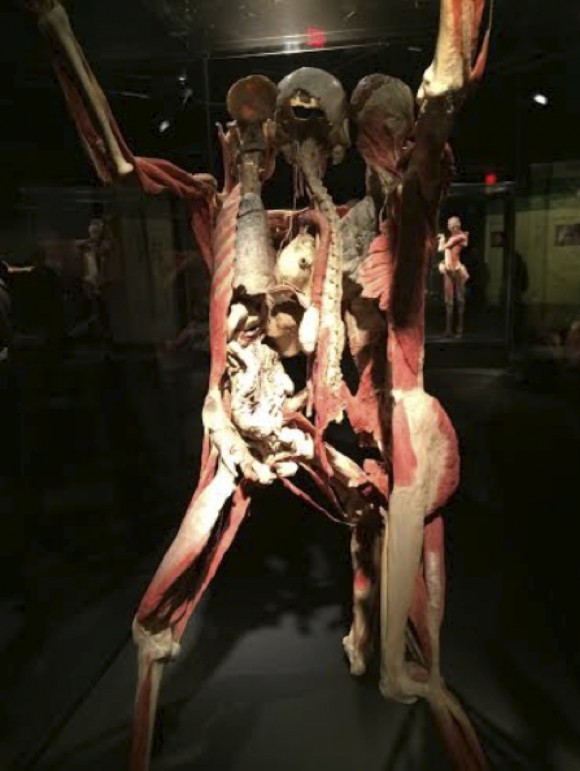
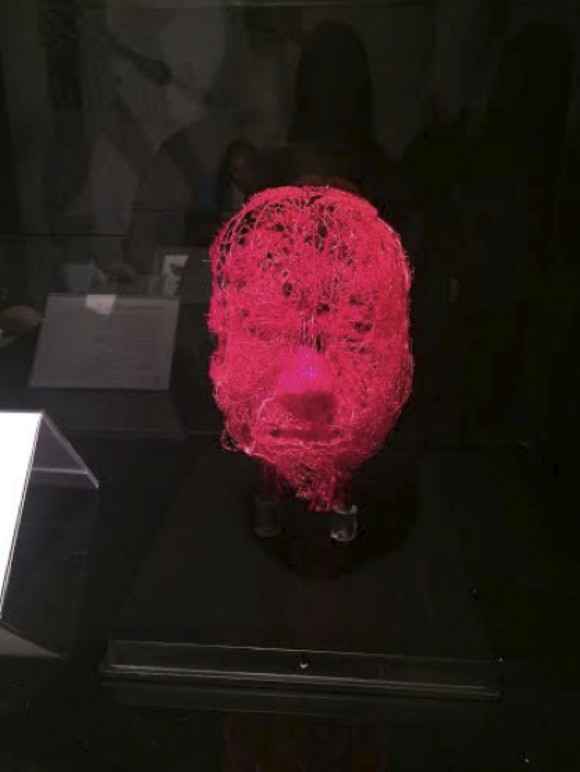
This janplan was great because we were given many opportunities to explore different career paths in the medical field, which is unlike most science classes that I have seen offered at Colby. This class was clearly geared towards the interests of the students, which is not always the case and which is why I really appreciated taking this class, regardless of the workload. I didn’t come into this class expecting to have such unique opportunities like take field trips to Boston or talk with current medical students and those were the aspects of the class that made really enjoy it.

Categories: Uncategorized
Tagged: Emma A. Roberts
February 14, 2014 · Comments Off on Cody Eaton: My Experience in Human A&P
Cody Eaton

Class Blogpost
Coming from a family in which both parents had a medical background, I grew up hearing anatomical and physiological terms in my daily life. In my junior year, I chose to shadow doctors, PA’s, and NP’s in the ER at Goodall Hospital in Sanford, Maine for the month of January. This experience was beneficial for several reasons including exposure to various occupations and paths in the healthcare field, but left me wanting more. Now that I have taken Anatomy and Physiology with Dr. Klepach, I am even more well equipped to navigate the increasingly complicated medical world in the future.
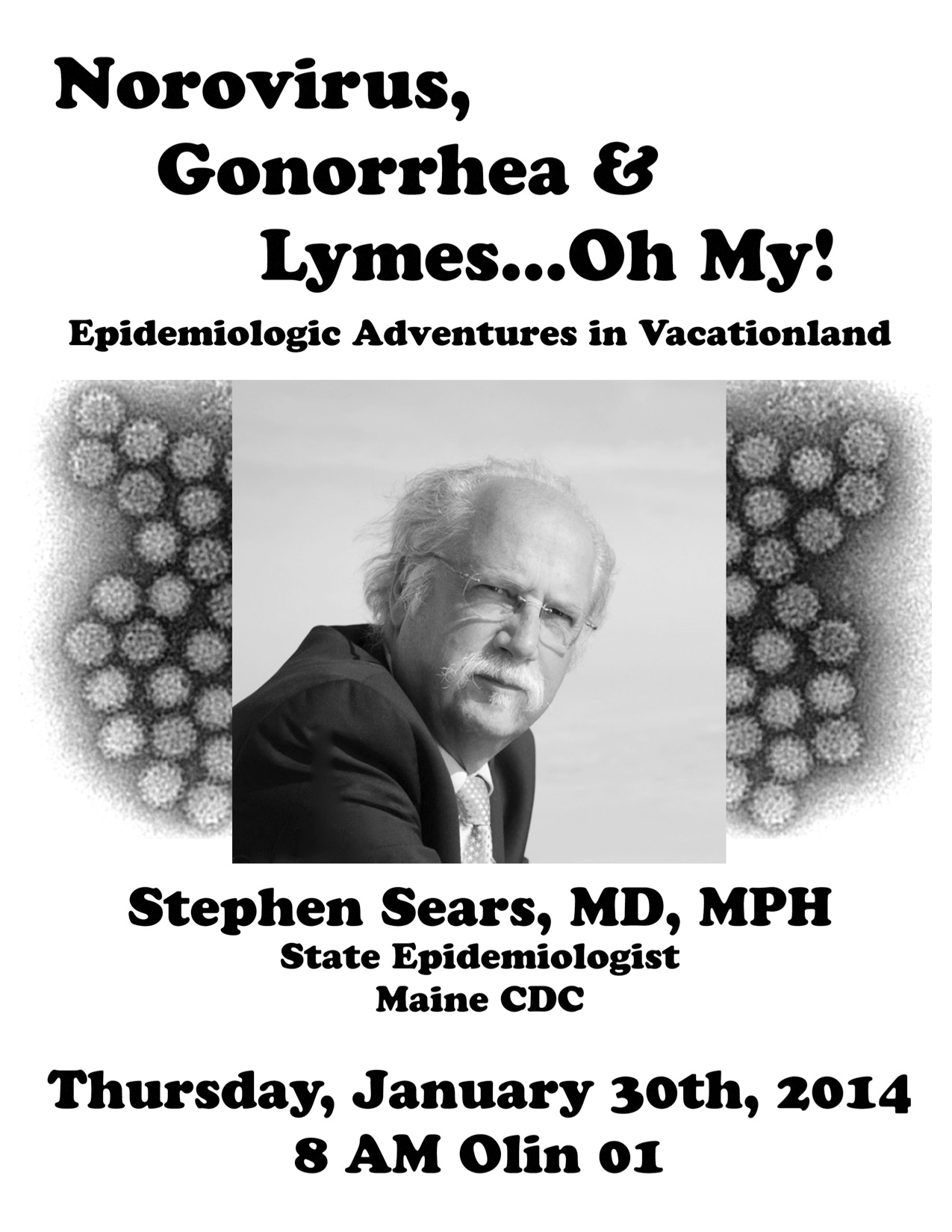
There were many experiences in this class that I was quite interested in, including the trip to Boston to attend the Body Worlds Vital exhibit, and the guest lecture from CDC Maine State epidemiologist Dr. Stephen Sears. Both of these very unique experiences taught me a lot about medicine and about the human body. Dr. Sears’ talk especially left me with a general feeling that I knew exactly what I want to do after Colby. His discussion of how the CDC uses experimental data and information gathering techniques to analyze possible epidemics was particularly interesting to me, primarily because I like the noble idea of keeping the public safe. As such, following the talk, I was more confident in my plans for the future. I now know undoubtedly that I want to work in healthcare, and now I just need to decide which path I want to take.
Additionally, the class afforded me an elevated level of insight because of the holistic progression of ideas that I have been able to study at Colby now that I am a senior. In other words, the class helped me connect some of the concepts that I had begun to explore in previous classes such as genetics and mammalian physiology. Concepts such as homeostasis and calcium regulation, which pervade many academic areas, were explored in this class and this helped me to create a broader schema regarding biological concepts.
The Grand Rounds experience was worthwhile as well. Thoroughly studying a particular case study provided me with a firm understanding of one medical concept, especially when I was responsible for understanding the anatomy and physiology that directly relates to treatment of rectal adenocarcinoma. By preparing a presentation about such a complicated topic, it was a necessity to understand the basic concepts behind the complex ones (e.g. anatomy of the colon to understand partial colectomy and ileostomy). Ileostomy is inevitably an important concept for someone who is interested in healthcare, due to the number of patients that will have one in their lifetime.
Overall, the class helped me with several anatomy and physiology ideas and concepts that I have learned over the years. Concepts such as distribution of muscles on the body, how the nervous system coordinates with the bones and muscles to move the body and send sensory input back to the central nervous system, and the circulation of blood in the body were explored throughout the month of January through activities, lectures, and laboratory. Not only did we have focused class time on these concepts, but Dr. Klepach also helped cement the concepts in our minds by providing us with a metabolic lab at the Athletic Center. This activity involved doing various exercises and analyzing spirometry parameters and heart rate before and after. Using this information, we then did a few analyses based on our own data that we obtained during the lab. This experience was good for several reasons. First, it allowed the class to learn in a context other than the normal classroom experience. It also helped to be active and learn physiological concepts at the same time, and by doing the activity ourselves it makes it almost impossible to forget some of the concepts involved.
Ultimately, this class was a very beneficial experience. In my future, I will definitely use many of the skills I have developed over the course of this month. For example, skills such as using a blood pressure cuff or a general understanding of blood pressure are life skills that impact all of our daily lives. Even though we did not have as much time exploring some of the anatomy and physiology concepts as I would have wanted, at least everything was touched upon at least once, and makes me hungry for more education. In this way, the class has served an important role in my development as a well rounded individual.
Categories: Uncategorized
Tagged: Cody L. Eaton
February 14, 2014 · Comments Off on Laurel Whitney: Body Worlds Vital
BLOG POST JAN 28 2014


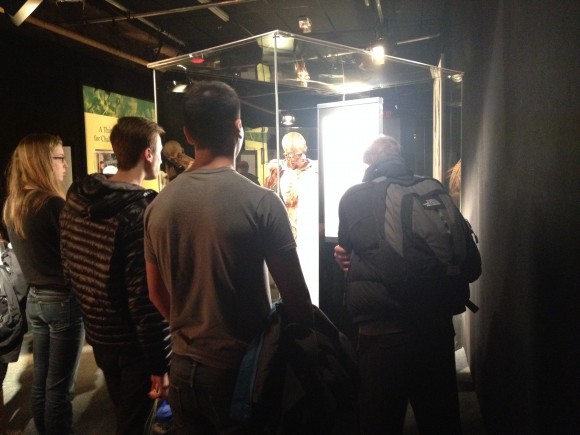
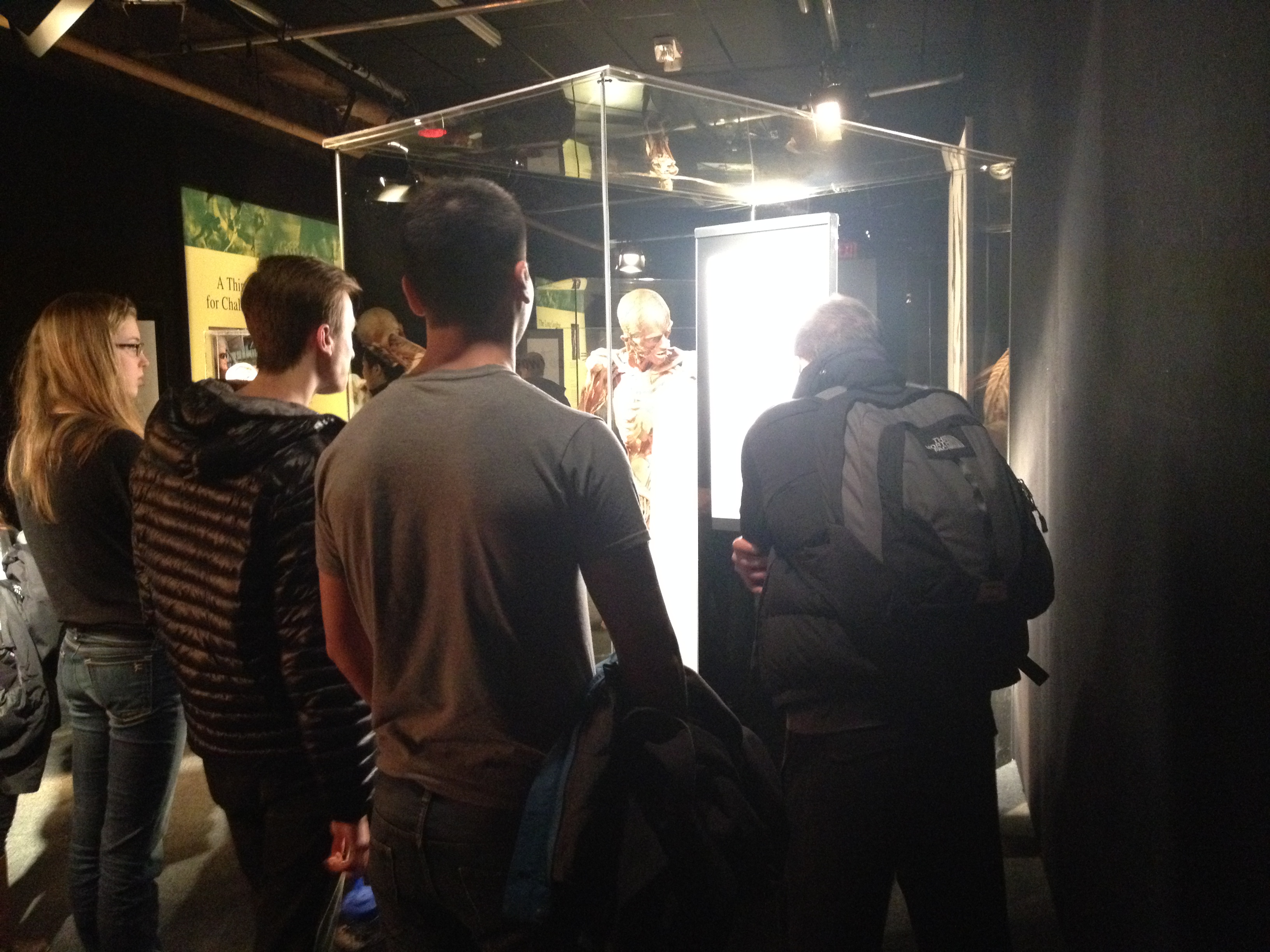
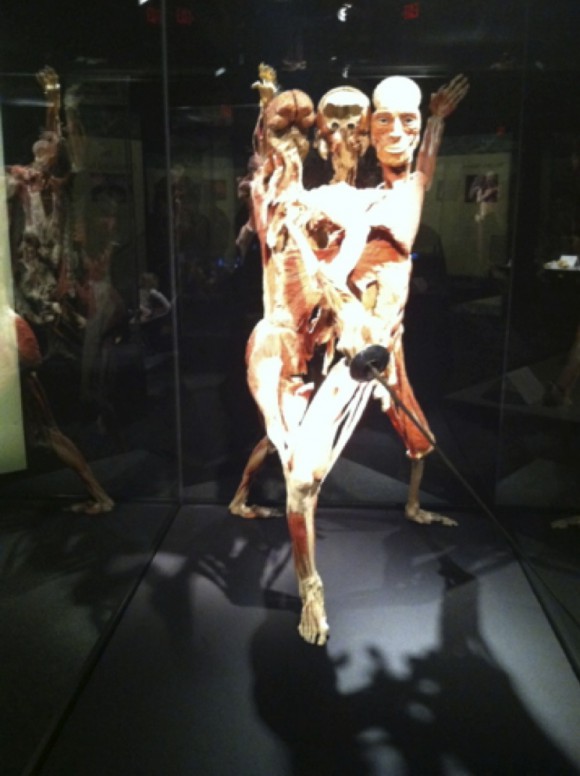
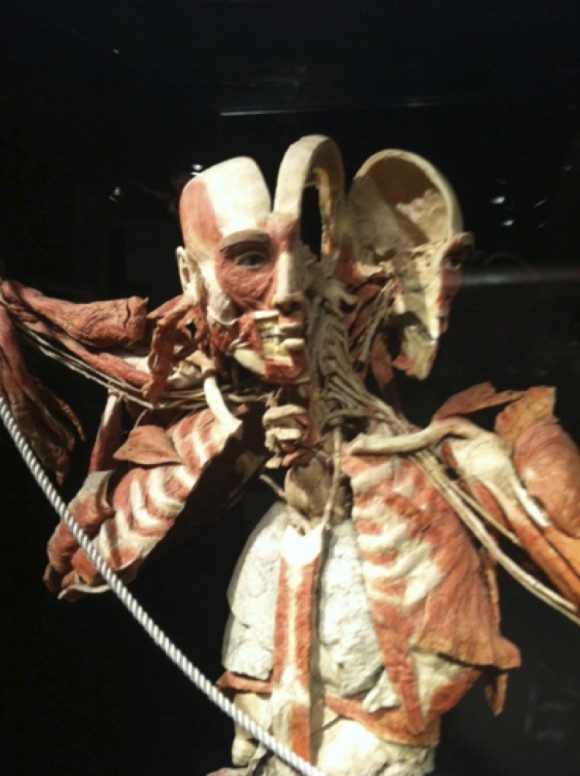
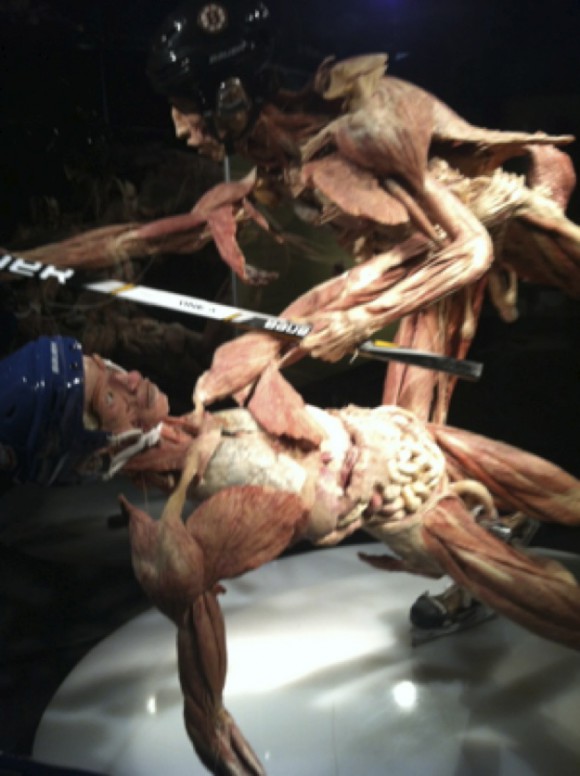
On Monday January 27th our class took a trip to Boston to see the Body World’s Vital exhibit at Faneuil Hall Market Place (Body Worlds Vital Exhibit). This exhibit was a great chance to see the anatomy we have learned throughout the month in action. It was a great way to practice and review all the information we have learned about the human body. Being able to see real muscles on real bodies was very powerful and cemented my understanding of the material we had learned in lecture and lab. Being able to see the bodies in real life was amazing!
Pictures I took at the exhibit:

Categories: Body Worlds Vital
Tagged: Laurel L. Whitney
February 14, 2014 · Comments Off on Laurel Whitney: Pig Heart Dissection
BLOG POST JAN 18 2014
In lab we performed wet dissections of pig hearts. It was a crazy experience for me. I had never done a dissection before, and after I got over the smell of the formaldehyde it was amazing! It was such a powerful way to learn about the heart. Being able to hold a real heart and see where blood actually traveled was incredible. It very helpful for practicing the anatomy of the heart. It was also an amazing experience to hold a real heart in my hands. I was in awe of how powerful the heart was. The design and structure where so precise and intricate. The lab was inspiring and very exciting. I couldn’t believe how perfect this structure was, a perfect machine.
Pictures I took from the dissection:

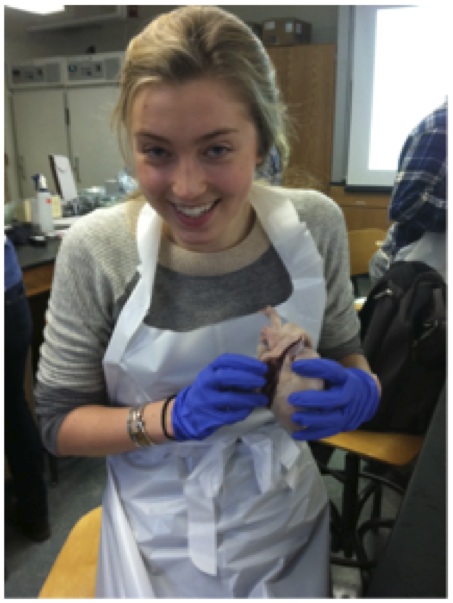 Here I am holding the heart
A nice view inside right ventricle of the heart
 In this shot you can see the pulmonary semi-lunar valves

This pictures shows the trabeculae carne in the right ventricle of heart and the moderator band
Categories: Lab
Tagged: Laurel L. Whitney
February 14, 2014 · Comments Off on Laurel Whitney: Maine General Hospital in Augusta
BLOG POST JAN 23 2014
This week our class had the opportunity to go to Maine General Hospital in Augusta. When we first arrived we toured the hospital, hosted by medical students from the New England College of Medicine. The new hospital was an amazing facility! The rooms were spacious, the technology was impressive and the design was inspiring. We also had the chance to sit down in small groups and talk to the medical students. I learned a lot about how medical school was structured and rotations. It was great to hear how these students had gotten to where they are now, and hear about what they wanted to do in the future. They gave me great advice for college and got me really excited to attend medical school. Following the tour, our class gathered with the medical students and students from Kent’s Hill college preparatory school. Three groups from our class and three groups from Kent’s Hill presented on medical case studies. It was very nerve wracking to present in front of the doctors and medical students, but they provided us with encouraging feedback and support. It was great to be able to interact with the medical community in this way. It was a great learning experience and an amazing place to showcase our presentations.
Categories: Maine General
Tagged: Laurel L. Whitney
February 14, 2014 · Comments Off on Blake McCartney: Body Worlds Vital
Blake McCartney

I had heard about Body Worlds a while ago, but I had forgotten about it until I found out we were going to see it in this class. I was not really prepared for what it turned out to be – I had only heard vague descriptions. The plastination itself wasn’t disturbing; it was actually pretty hard to believe these were real human bodies! I read the pamphlet on plastination they provided, it’s an interesting process (Body Worlds plastination process).
I just think that the way these bodies were displayed was kind of troubling. All of the bodies were shown doing various activities, or their muscles were arranged in designs. I found one display of a man with his muscles completely splayed out and a top hat on particularly disturbing. In past years there been debate over the sexist or “heteronormal” poses of the bodies. However, I thought they did a pretty good job with changing that; I remember seeing a male dancer and gymnast.
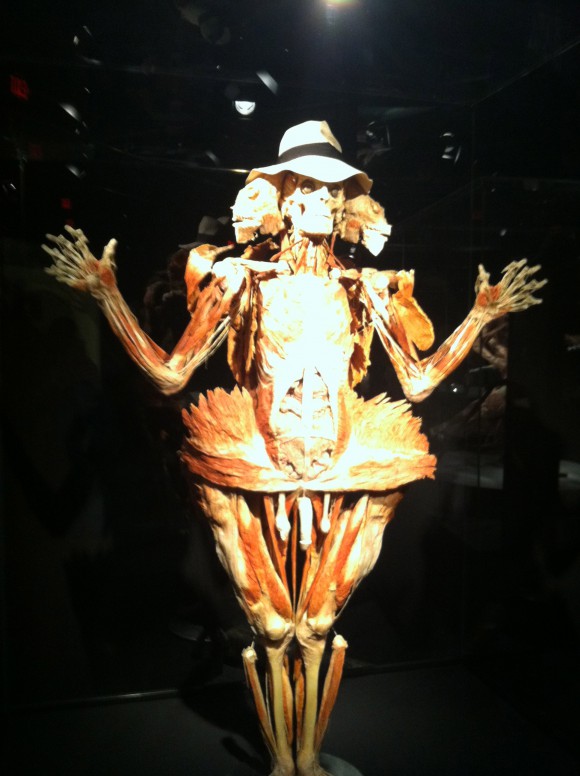
The point of the exhibit honestly is not clear to me for reading the Body Worlds website and from the exhibit. The website states, “the exhibition shows the body through cautionary displays about distress and disease, and inspirational insights about the virtuosity and resilience of the human body”. I only recall a couple displays about disease – most of them were just poses.
There is definitely supposed to be educational value, but I was disappointed by the amount of anatomical labeling. I found that the descriptions were pretty vague and not very helpful in figuring out what I was looking at. The exhibit wasn’t as educational as I had hoped. For someone who knows what they are looking at the exhibit is informative and interesting, but for the average person – who would be the majority of people who see this exhibit – wouldn’t know what they were looking at. Before this class I would have just seen it as a freak show. Now I can identify a lot of parts, but I’m not sure if that’s the message people are receiving from Body Worlds exhibit.
There is a lot of controversy over whether or not informed consent was actually given from the people who donated these bodies. From the research I did it seems that these people do in fact give informed consent to use their bodies for plastination, although, I’m still a little skeptical. I feel people should be able to do whatever they want with their body after they die and that these people should have that right.
Personally, I would never subject myself to this; it just seems demeaning to have people pay a company to gawk at you posed in some strange position. Also, you get no compensation for donating your body – you actua
Categories: Body Worlds Vital
Tagged: Blake E. McCartney
February 14, 2014 · Comments Off on Maine General Tour and Grand Rounds with Kent’s Hill
Blake McCartney
The tour of Maine General in Augusta and the presentation of Grand Rounds with the Kent’s Hill students was a fabulous experience. Maine General is an amazing facility; it looks more like a hotel than a hospital. Unfortunately, we learned that they slightly under calculated the amount of beds they would need so there is sometimes overflow between the wings. When we arrived Sophie and I went on our tour with a Medical school student at University of New England named Britney. She had great insight on how to get to medical school – and how to decide whether or not you would want to go in the first place. It was interesting, Britney only applied to 6 schools! Most of her classmates applied to around twenty.
University of New England is an osteopathic school, so these students will graduate Doctors of Osteopathic Medicine. Britney described it as being a regular M.D. except when you cannot think of another treatment you use osteopathic manipulation. The most simple explanation was to compare it to using chiropractics. Osteopathic schools are an alternative to Medical School and definitely something to consider in the medical field.
Britney’s biggest piece of advice to us was to keep a routine during Med school, even during exam week. Also, she suggested taking one night off a week from studying – just to keep yourself sane. Panicking doesn’t help your grades, and you need sleep. This was definitely a theme Dr. K focused on during this semester of A&P. I think I learned the first week that cramming and staying up all night a few times in a row is not conducive to success – or a healthy lifestyle. Britney said it took her a long time to learn that though; a lot of her classmates never learned. Ultimately, she recommended staying as de-stressed as humanly possible. This is something I strived to achieve over Jan Plan. I learned a lot about my studying habits and strategies from this Jan Plan. Hopefully I will be a lot more efficient this semester; I think I have learned what does and what does not work. Britney also stressed that people have different learning styles. Some textbooks might not be written in a way that is easy for you to understand. Further, some professors’ lectures might not be helpful; learning those sections from the book might be more time efficient.
After talking with the Medical students we gave our Grand Rounds presentations. Everyone was very supportive of us; giving a ton of positive feedback. It was also a great public speaking experience, especially in front of a room full of doctors and Medical school students. Everyone was very friendly, but their level of knowledge was intimidating. I think they all recognized that they were in our position once and were very impressed with the lectures. I would love to have more public speaking experience, so I was really glad we were given this opportunity. I was also really impressed by the Kent’s Hill high school students – I wish I knew that much as a highschooler! This trip was one of the highlights of the class for me.
I actually did not know how much of a commitment this class would be outside of class hours. It wasn’t really what I expected from a Jan Plan class. In the end I am really happy I took this course. It was quite a few ups and downs! I don’t know when I would have learned the things I learned about my study habits. I realized I need to prepare in advance and put a lot more time into preparing for lectures. I usually spend too much time cramming, but I now know it is a lot better for me to let the information process with me over a long period of time. I got discouraged a lot this Jan Plan and as a result did poorly on some of the assignments, quizzes, etc. It got better though and I am so glad I stuck with it and didn’t quit. I wish this class could have been extended over an entire semester. I learned a ton of anatomy and physiology, but I also learned a lot of valuable things about myself that will help me throughout the rest of my college career. This course was extremely challenging, but we got so many opportunities such as Body Worlds, the Maine General Tour, dissecting the pig heart, among many others. I enjoyed it and think it was a rewarding month.
Categories: Maine General
Tagged: Blake E. McCartney
February 14, 2014 · Comments Off on Amanda Millatt: Personal Goals Achieved
Amanda Millatt
As a freshman I didn’t have any prior knowledge about college. I came to Colby College with an open mind and more importantly attentive listening skills. I would bombard my upperclassmen friends with questions ranging from the most interesting classes to when the best time to get lunch is. My most pressing questions were always about Jan Plan. This one-month course of study was not available at many other schools and was not discussed often on college online forums. This meant that all throughout December I asked my friends who participated in Jan Plan last year about their experiences. I continued to receive the same answers; easy, relaxed, GPA booster, etc. I was convinced that every Jan Plan class would be a breeze. That thought motivated me to select human anatomy and physiology as my number one choice. I always loved knowing facts and concepts about the human body. Then when I found out that I was placed into the class I was extremely excited because I would be learning about a topic that I find fascinating and have a break from the heavy course load that I experienced last semester. However, I found out the first day of class that I was incorrect.
The first day of class started with an explanation of the syllabus as usual. My professor informed us that his expectation for the class was not for us to learn all the information, but to try our best at each task. Then he processed to inform our class of 25 students about the layout of our short semester. We were told that we would have a quiz everyday about material learned the day before in lecture, a group project worth 25% of our grade, a lab exam every week and various activates due online. I was shocked, but the next bit of information made me speechless. The registrar had recorded that each class would only be three hours, but our professor informed us that the class was actually four hours. Within the first hour of class I was determined to drop it. I had thought that I would get to sleep in late, study for a minimal amount of time and read non-academic books. My preconceived notion about this anatomy and physiology class left me confused and upset. I was not the only person with this mindset; about five other students dropped the class. I went home after class with one question on my mind; should I drop this class or challenge myself?
I decided that my love for the human anatomy outweighed my craving for sleep. The first week was horrible, but I managed to get through it. My daily routine was a 9:00 AM hour and half of anatomy and two hours of physiology till 12:00 PM from Monday through Wednesday. After class I was very unproductive, in fact I did not begin studying until about 10 pm. I knew the lab exam was on Thursday, however I did not start studying till the night before. I did atrocious on all of the physiology quizzes and failed my first lab exam. I was ashamed and disappointed in my performance for this class. I collected my thoughts and made a game plan for success.
My second week of class was more of a success for me. Before each class I would print out the PowerPoint slides for both the lab and the lecture. This helped me take faster and clearer notes in class; I could also review the slides while eating breakfast. After class everyday, I would go straight to the lab to learn and review what we were taught in class for at least an hour. At the end of the week I felt confident because I had studied each structure more than five times. To confirm my knowledge of the anatomy I went to study for the test on the weekend before my Tuesday lab exam. I improved a tremendous amount on my second lab exam losing most of my points for spelling. Nonetheless I was still not meeting my expectations for my lecture quizzes, which meant that I needed to change my study habits.
On the third week of class, I continued to go to lab everyday after class and print out the slides before class. The only aspect I changed was how I went about studying for quizzes. I started to study the lecture slides at around 7 PM followed with a 40-minute nap. Then I woke up and studied each slide while listening to the recorded lecture. This really helped me understand the material and that week I did very well on my quizzes. I was finally proud with the amount of effort I was putting into the class.
My last week of class was one of the worst weeks because three major components of the class were due within a day of each other. We had a lab examine on Tuesday, so as usual I went to the lab twice over the weekend to review all the structures. Then all of Wednesday I had to study for the final lecture exam and prepare for my ground rounds presentation due on the same day (Thursday). That Thursday was over as soon as it arrived. I turned in my final exam and started breathing again. I immediately climbed into my bed and reflected on the past month.
I was proud of my academic growth. I had completely changed my study habits and gave the class my all. I was satisfied with my performance although I did not receive A’s on every assignment; I was just proud of myself for never giving up. I may not be the most intelligent student, but I am a hard working student. This course prepared me for my rigorous semester and medical school. I started human anatomy and physiology a motivated student and left the class a hard worker driven by the motivation to be successful. Thank you Professor Klepach for everything!
Categories: Uncategorized
Tagged: Amanda J. Millatt
February 14, 2014 · Comments Off on Phoebe Hughes: My Experience in Human A&P
Phoebe Hughes

In anatomy and physiology this year we did a ton of cool activities. We got to go to the Maine General Hospital in Augusta, learn about all the body systems, dissect a pig heart, and much more. Two activities I found interesting were the Robert Lusting video and going to Maine General Hospital. Although the labs were fun, the class was also difficult. It challenged and pushed me, but I enjoyed it and learned not only about A & P but also some valuable study skills.
During the first week and a half, the class was mostly lectures. It was really hard to absorb all the information and be quizzed on it the next day. In high school, I had never had to study very much. However when you’re learning a new body system every day, it is hard do to well without studying a ton. Although I studied some for the first lab test, I did not do as well as I would have liked. The class taught me to go over the material every night (not only the new information but old material too). After using this method, I felt much more prepared for the second lab test.
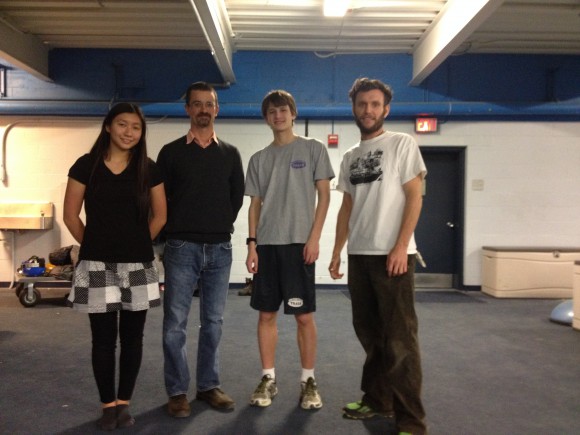
[Here is a subset of the participants in the Metabolic Analysis Lab collaboration between the Colby A&P class and the Waterville High School cross country team. Left to right: Phoebe Hughes, Rob Stanton (WHS cross country coach), WHS athlete, Thom Klepach (Instructor Human A&P)]
After getting the hard core lectures out of the way, we were able to do more labs and go on field trips. One place we went was to the Maine General Hospital. Kasey and I were showed around the hospital by a very nice third year med student named Lincoln. He showed us the behind the scenes of the hospital. He even let us see the maternity ward (a very exclusive place). One amazing aspect of the hospital is how it serves the public and the doctors. For the patients there are single rooms and family waiting rooms all through the hospital and for the heroes of the hospital, the doctors and nurses and residents and med students, there are rooms to sleep in while they are on call at night, medicine transporters to make access easier for nurses, and areas for research and paper work. Additionally the hospital is platinum LEED certified. As Lincoln showed us through the hospital, he also explained how these aspects of the facility make a big difference in the community. It was a remarkable place to visit and made such an impact on me.
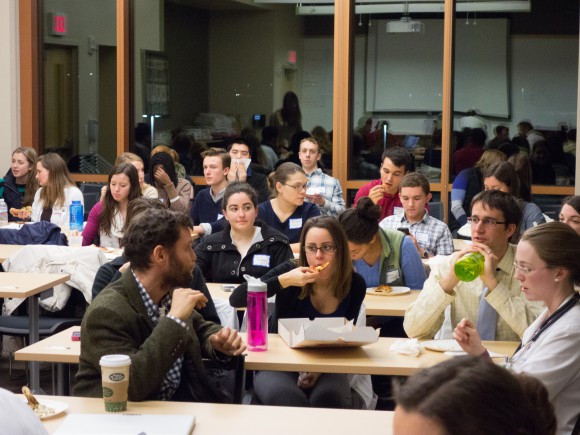
The Bi265j class from Colby, Kents Hill A&P with Alex Wall and the UNE medical students.
The Robert Lusting video, The Complete Skinny on Obesity, also made an impression. Some members of my family have weight issues and therefore metabolic syndrome concerns me greatly. I recommend a few of them to watch it and learn about possible consequences of obesity. It is a considerable problem in the United States. The severity of obesity in children surprised me and I found the increase of obesity in the past fifty years shocking. This is a problem the nation must address in more ways than the standard calorie counting diet which the video discredits. It explained that it is not the calories that are the problem but what type of calories. My mother always tries to follow weird diets (including counting calories), which do not exactly work, but I never truly understood why. The video helped explain that the increased sugar consumption is our main dietary issue. Sugar is mostly fructose, which can only be used by the liver to make fat. And although fat does secrete leptin, a hormone which tells your brain you are full, in obese people this hormone does not work causing over eating. As a whole, the video made me think about my diet and how to be healthier.

“If you have no choice, how can it be personal responsibility? We’ve been told what to eat by the nanny state of the food industry, and we’ve gone along with it because it’s sweet.”- Dr. Robert Lustig
Healthy living is a concept Dr. Klepach adamantly promotes throughout the class. He stresses the need of eight hours of sleep, keeping a healthy diet, and exercising. In his class, he leads by example, making him a great professor. He provides us with everything we need to succeed in the class. He puts up the power point presentations of the lectures and labs on Moodle and even records them for us to view later. These power points and videos are a great way to study and they allow me to focus on learning the information better in class rather than having to just copy it all down. This being said, the class is still extraordinarily challenging. I learned a great deal and enjoyed it, but unless you want to work in the medical field, I would not recommend taking this class. It is very time consuming, with three hours and forty five minutes of class and another two hours of studying per night. However, if I had the opportunity to go back in time and redo my Janplan selection, I would still choose Anatomy and Physiology. I liked learning about all the different body systems and being able to apply my knowledge. In fact, today at dinner we were talking about blood pressure, and because of this class, I was happily able to answer one of my friend’s questions.
Categories: Maine General
Tagged: Phoebe L. Hughes
February 2, 2014 · Comments Off on Dr. Stephen Sears’ lecture to Bi265j is in the Kennebec Journal.
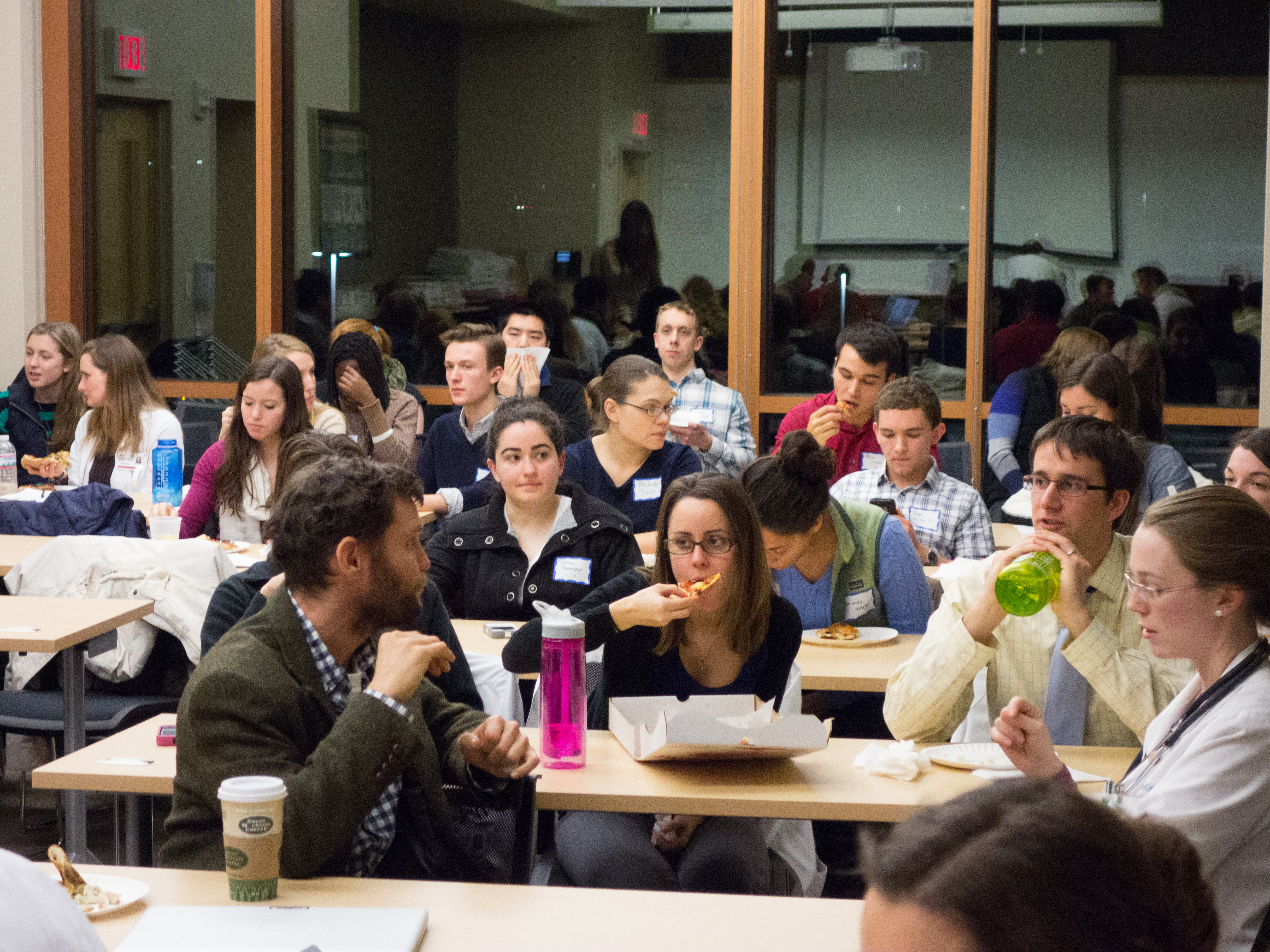
Dr. Stephen Sears, the Maine state epidemiologist had his lecture to the class covered by the Kennebec Journal and the Morning Sentinel.

Categories: Uncategorized