January 27th, 2018 · Comments Off on Transcending Impermanence, or Being Alive.
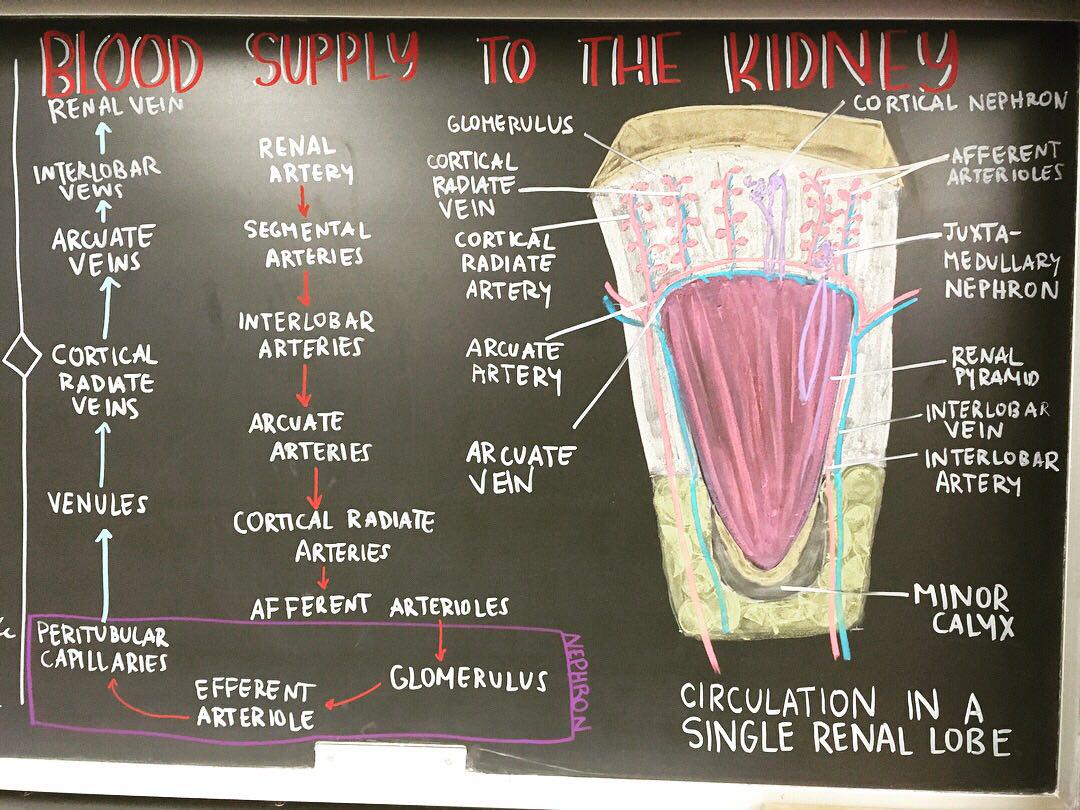
“Drawing on chalkboards is too much work to be erased,” I overheard one of the bio professors say.


Yes. I mean, you’re not wrong.
But this is joining the toughest of analytical sciences with an ephemeral art form. Both involve inspiration, discovery, tedious hours learning and practicing, but also a refuge from hostility, and ultimately, redemption. Physicist Lisa Randall said it best: both science and art “promise, in their different ways, to help transcend the narrow confines of individual experience and allow us to enter into—and comprehend—the realm of the sublime.”
The fleeting reality that someone is gonna come and sweep all of this away, that the janitors will come in when it’s too late and too early and spray the chalkboards clean before anyone gets here, is not something to condemn, but rather something to embrace and celebrate. The lack of stability of the medium is not meant for longevity, but for impermanence. My drawings may not last long (a few weeks at best, like some of the cells in our bodies), but I find that drawing them is illuminating and inspiring. I’m making something out of nothing, and as always, someone said it better than me:
“I suddenly realized that you could create life — that you could create life with a pencil and a brown paper bag — and it was truly a miracle in my recollection. Although people are always telling me that memory is just a device to justify your present, it was like I received the stigmata and I suddenly realized that you could spend your life inventing life. And I never stopped since — at five, my course was set. I never deviated, I never stopped aspiring or working in a way that provided the opportunity to make things that, if you did right, moved people.”
— Milton Glaser
For a few hours, I draw things and forget about my own struggles, and if I do my drawings well, they could help other people forget about theirs. There is some sort of creative, temporal glory in drawing on blackboards, kind of like an inside joke. If you get to see my drawings, I hope they make you feel something before they’re gone.

– Amanda Sagasti
Tags: Bi265j
January 27th, 2018 · Comments Off on Pilot
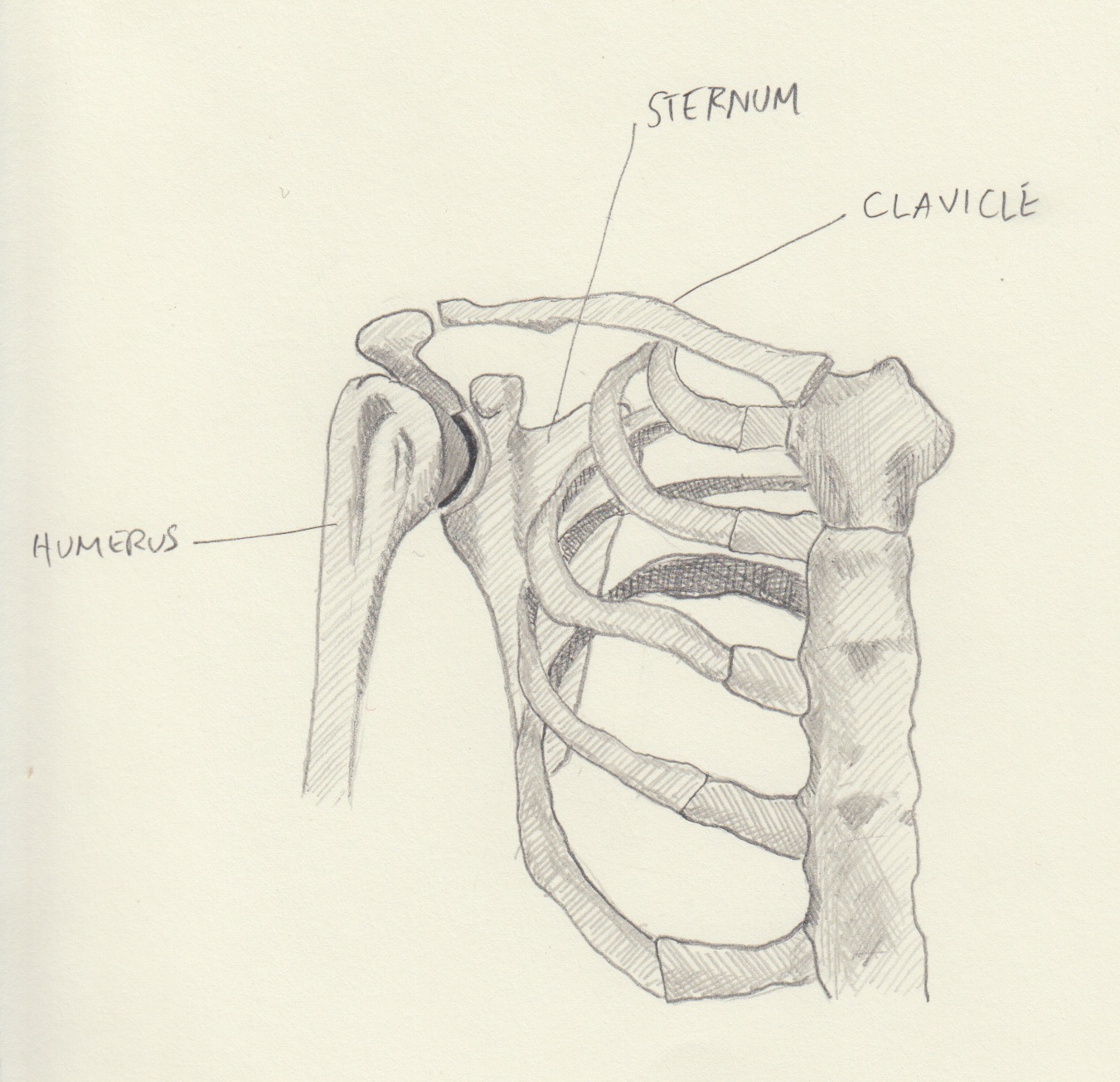
A lot of my work is done quietly, in a coffee shop, with lots of books, thinking… That’s kind of a given for philosophy majors. Do I only think? No, sometimes I doodle:

Over this month I contemplated somewhat seriously dropping out and raising sheep in New Zealand. Dissecting pig hearts and the functions of hemoglobin are processes a little outside my comfort zone–I’m not a biology or chemistry major, I’m not premed… I’m a philosophy major writing a thesis on time.
I knew this course would be incredibly challenging when I signed up for it, not only because of the subject but because of the long hours that included both lecture and lab, one after the other, and all the work outside of class I needed to keep up. This is NOT an easy JanPlan, this is in fact a very challenging class that tested way more than my academic abilities. At times I found the subject hostile, like the cells inside my body were laughing at myself and my inability to comprehend my own inner workings. As if my brain were somehow smarter than me and had a sort of biological awareness of what it’s doing while my conscious self was completely in the dark. Most of the time we aren’t aware of what we’re doing anyways.
Eventually I made peace with the fact that drawing was the best way I related to anatomy, and I dedicated a lot of time to it. I took comfort in the words of the great designer Milton Glaser: “the great benefit of drawing … is that when you look at something, you see it for the first time. And you can spend your life without ever seeing anything.” So I drew on pretty much any surface, from chalkboards to notebooks to the little placards they have in Dana announcing new courses. However, I was very conscious that drawing by no means was an excuse not to know what was happening. In fact, I felt even more pressure to understand what was happening precisely because I was taking the time and care to render an image as close to the actual thing as possible. And I understood, eventually. Maybe not everything, but at least some parts of it.


– Amanda Sagasti
Tags: Personal Story