Interviewer: Leila Gerry ’27
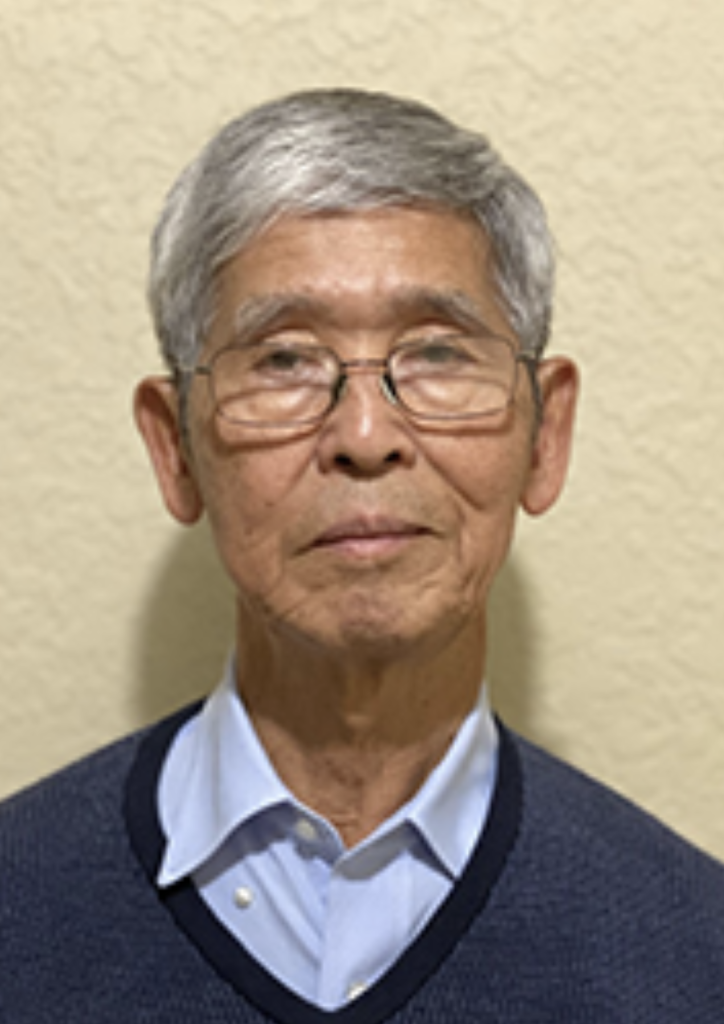
Interviewee: Man Seok Oh
Interview Synopsis: This interview is with Man Seok Oh, who currently resides in Fort Lee, New Jersey where he is a professor at a medical school. He was born as the youngest of 5 siblings in 1941 in a rural community near Gwangju, South Korea. He and his older brother were the first in their family to get a higher education. He left home after elementary school, living in lodging houses and with other boys to attend middle and high school, which were not offered in his small community. Oh discusses his experiences growing up and getting an education during a period of extreme turmoil on the Korean Peninsula and his journey to become a physician and immigrate to the United States. He discusses food insecurity, poverty, and lack of access to education in South Korea, his personal views on communism, and – although he was not politically active himself – he recounts some family member’s participation in protests and communist groups. His interview offers insight into daily life in 1940s and 50s Korea as well as the challenges and rewards of immigration.
Interview Transcript: http://web.colby.edu/voices/files/2025/11/Man-Seok-Oh-Interview-Transcript-3.pdf
Interviewee Biography: Man Seok Oh was born in Bangchuk, a small town near Gwangju, South Korea, in 1941. At the time, the majority of South Koreans were struggling with food insecurity, but his family had a larger number of rice paddies, which allowed them to consistently put food on the table. The youngest of five siblings, he obtained an elementary school education in his hometown before leaving home to attend middle and high school in a larger city. During this time, he lived by himself in various lodging houses. After graduating high school, he went to university and then completed medical school in Gwangju. During his education, he lived through the end of World War II and the Korean War and witnessed the radical student movements of 1960s Gwangju firsthand. Hoping for greater opportunity, he participated in a program that allowed him to study medicine in the United States for five years, where he then was granted a green card due to a doctor shortage in the United States. Since then, he has lived in the New York metropolitan area, working first as a doctor and later as a medical school professor. He raised two children in the United States and has developed a passion for learning, reading, and history.