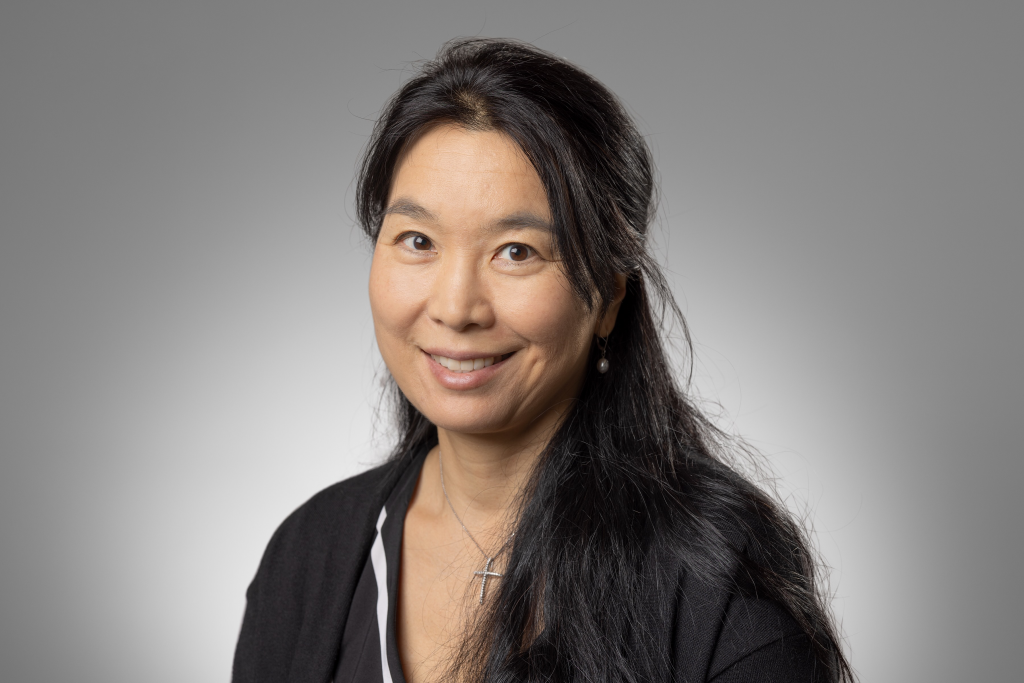
Interview Synopsis
This one-on-one personal interview focuses on my mother, a Korean American woman of partial Native Hawaiian heritage, and her reflections on three generations of cultural, historical, and personal experiences that have shaped her identity and worldview. Conducted over the course of approximately 60 minutes and recorded for documentation and analysis, the interview will consist of roughly 17–18 core and follow-up questions designed to encourage open conversation and personal storytelling. The discussion will explore her upbringing in California as the daughter of Korean immigrants, as well as the ways she balanced her Korean and American identities while growing up in a multicultural environment. Through detailed personal accounts, she will reflect on her parents’ immigration journey from Korea to the United States, their efforts to preserve Korean traditions, and the challenges they faced while adapting to a new cultural landscape.
An important aspect of the conversation will address her mother’s Native Hawaiian background and how being only partially Korean influenced perceptions within the family and the broader Korean community. This dynamic often shaped how her family was viewed within both Korean and American social circles, influencing my mother’s understanding of belonging, identity, and cultural authenticity.
The interview will also explore earlier generations, including her grandparents who were born in Korea in the 1890s and early 1900s. Their lives were profoundly shaped by major historical events such as the Japanese occupation of Korea (1910–1945) and the Korean War (1950–1953).
Her parents, born in the 1930s, grew up during these turbulent times, carrying with them stories of hardship, resilience, and perseverance that became an essential part of the family’s legacy.
By weaving together personal memories and historical context, this recorded interview aims to highlight the enduring strength, adaptability, and cultural pride that have defined my mother’s life and our family’s multigenerational journey. It captures not only her personal experiences as a Korean American woman of mixed heritage but also broader themes of immigration, intergenerational identity, and the evolving meaning of cultural heritage across time and place.
Personal Biography – Morgan Kim
I was born in Los Angeles, California, to a father of full Korean descent and a mother who was Korean and Native Hawaiian. I grew up in Santa Monica, a community known for its diversity and openness,where I attended public schools until high school. I later transferred to a preparatory school but continued to enjoy the natural beauty and coastal culture of Santa Monica—the beaches, the ocean air, and the sense of inclusion that shaped much of who I am today.
After high school, I attended Georgetown University, beginning as a pre-med biology major before a serendipitous game of softball on the National Mall with a group of Department of Justice economists sparked my interest in law and policy. I changed my major to government and, after graduation, spent two years working in the U.S. Department of Justice’s Antitrust Division, where I confirmed my passion for public service and the law.
I went on to earn my Juris Doctor from George Mason University School of Law. Following law school, I moved to West Palm Beach, Florida, for a one-year federal clerkship with a district court judge—a move that changed my life both professionally and personally. During that year, I met my husband, and after completing my clerkship, I returned to Washington, D.C. to practice law at a national law firm.
My career path ultimately led me to what I considered a dream position: serving as an Assistant U.S. Attorney, prosecuting white-collar crime. During my tenure at the U.S. Attorney’s Office, I tried more than two dozen cases to verdict and gained invaluable experience in public corruption and financial crime. While there, I welcomed my first son, Connor, just months after completing a public corruption trial with a sequestered jury.
After several years, I transitioned to private practice and later served on Capitol Hill as Deputy Chief and Chief Counsel for multiple congressional committees. During that period, I had my second son, Trevor, while leading the investigation into Representative Mark Foley’s inappropriate conduct with House pages.
Later, I was appointed Deputy Inspector General and General Counsel for the U.S. Department of Commerce, where I helped oversee integrity, compliance, and accountability across the agency. Eventually, I returned to Florida and shifted into the private sector, serving as Chief Compliance Officer and General Counsel for several publicly traded companies.
I currently serve as in-house counsel for a biotechnology company in Fort Lauderdale, Florida, where I oversee the legal and compliance responsibilities of the organization. My husband and I have lived in Boca Raton for the past decade. Now that both of our sons—Connor at Colby College and Trevor at Babson College—we’re embracing life as empty nesters.
We recently took a memorable fall trip to Turkey, and we enjoy visiting our sons at school, skiing out west as a family, attending professional sporting events, and traveling whenever we can. We share our home with our fluffy, quirky and energetic dog, Rusty, who keeps us company in this new chapter of life.
Interview Audio
Interview Transcript
Connor:
Hi, Mom. First of all, I want to thank you for taking the time to talk to me about your experiences with Korean history and culture.
Morgan Kim:
You’re welcome. It’s really my pleasure to talk about what my experience has been with Korea and growing up as mostly Korean in the United States.
Connor:
Okay. To start, can you tell me about your background?
Morgan Kim:
Sure. Let me start with my parents as well as your grandparents, who you never met because they passed away. My father was born in South Korea. My mother was Hawaiian and South Korean. It’s a long, involved story, but Korea, as you may have learned or are learning, was a colony of Imperial Japan. And my grandparents, I believe, were born in the 1890s or 1900s, because your grandparents were born in the 1930s. My grandmother met my grandfather in Hawaii. Essentially, back then, he was forced by Japan to either choose to be in the Japanese Army conquering other Asian countries, or there was an opportunity to go to Hawaii and essentially serve as an indentured servant on these contracts that they had. And that’s what he chose. So he went to Hawaii, in Honolulu, on Oahu and started working there. And he met my grandmother there.
And then after his contract, he got really fortunate. He was telling me, look, this is a long time ago, he passed away, when I was still a young child. Sitting here today, I wish I had asked him more about his history and his experience. But from what I was told by my parents, they moved back to Korea after, again, his indentured essentially contract, working the plantation farms was up. To bring money back and to start a business.
I’m not sure what the state of Korea was at the time. I know that it was under military Japanese occupation. I remember my parents telling me that they had to have Japanese names when they were growing up, that they were forced to disregard their Korean heritage and learn to read and write Japanese.
Anyway, my parents grew up in Korea at the time, and my grandfather was very, very lucky, according to my mother, because he was forced to continue trading and supplies. He opened a trading supply business, and the Japanese used that business, but allowed him to continue to work and have, back then, I mean, just even having enough food and basic necessities was a huge, huge luxury.
I think my mother grew up. She was very fortunate and is very, very different. From your grandparents’ childhood, my parents’ childhood. My father was born in Korea and he had a mother, but he didn’t know her because he had a younger brother and she died in childbirth. And his younger brother also died because of a lack of milk. Back then he was in some village. They don’t have formula or anything like that, if the mother dies then the baby dies.
And my father really was this outcast because his father remarried years later and had other children. He was basically cast aside. They basically didn’t have enough food to eat or fill them. He really had a very, very difficult life. And my mother, as I explained, was the youngest of six children. There were three girls and three boys, and she was the very youngest.
Connor:
It sounds like your father had an incredibly tough start in life. Can you tell me more about it?
Morgan Kim:
Yeah. My father grew up really, really poor. I mean, he was raised by a single parent until his father remarried and he was essentially abandoned. The thing that I appreciated is that he was really raised there were a lot of Christian and Catholic missionaries that were in Korea and they took pity on a lot of the children. Excuse me. And it’s very emotional because you think about it’s so hard to relate. My parents are gone, but it’s really hard to relate to how difficult things were back then.
He became really religious, and I grew up as a Catholic. It’s funny because one of his happiest moments is when I decided to go to Georgetown because it was a Jesuit, Catholic university, and he just owed so much to the Catholic church because they fed him and they raised him and they educated him. That’s the story behind why he was very religious.
Connor:
So how was your parents’ upbringing in Korea as a whole?
Morgan Kim:
It was during the Japanese occupation, it was during the wartime, it was in the 1930s. They really told me that they didn’t have a lot of transportation. They had to walk for miles for, whether it’s food, to go to schools, to the extent they had schools that were operating. I remember my dad in particular, because he was not from an affluent family at all I mean, he was basically abandoned. He faced starvation. He didn’t have regular education.
My father actually got a really big break because I guess he volunteered during the Korean- American War. He volunteered for Korea and worked with the US military. It really gave him an opportunity to first of all have a future. I mean, it expedited his immigration to the United States. They didn’t make you a citizen, but it gave you a path. And then he received educational assistance as well. So that’s where he ended up coming to the United States and how he came to the United States.
And my mother still had contact with her mother’s side, my grandmother’s side. I should say that we’re still in Hawaii. She went to live with her sister, her older sister and her cousins. And that’s where my parents ended up meeting in Hawaii. And then they lived there for a number of years. Especially Oahu, it’s a very small island. People would get island fever as they called it, and they would move to, California’s very popular because there were a lot of Asians and a lot of people moved to California. And then my parents ended up moving to California, I guess before they had me and my parents were like …
It was a classic immigrant story. My dad was able to go to school at night. He worked two different jobs. He worked as a busboy. Eventually he got educated. He went to the California public school system and got his degree. My mother worked to support him. She worked in a factory. I remember when she passed away, I had a very small like $110 or something, union check. But it just reminded me of their struggles.
My parents were very happy, and they were very, very, very grateful to be in this country. They were very grateful of the opportunities. I mean, they really embraced being California residents, being US citizens. And they were very, very proud of it. They also waited until which was very unusual for my mother because you got to remember, she was born in the 1930s. She waited until she was 30 or 31 to have me because they were so poor, they couldn’t afford to start a family, and I was the only child. So that was the way my parents decided to start their family in the United States.
Connor:
How often have you traveled to Korea?
Morgan Kim:
When I was growing up, we did not. Obviously, I’m in my mid-50s and so we didn’t travel directly over the poles because I grew up in Los Angeles. The flights, you always had to stop somewhere and it was a great opportunity. I stopped every single year, since I was born in Hawaii, and then we’d go to see my mother’s family and spend some time with her. And I remember just from memories playing with my cousins who were much, much older. They were like your age because my mom was the youngest of six, but they treated me like this little toy and would take me around everywhere. And it was just really fun for me. And then I spent my summers, every summer, then moving on to Korea.
I traveled to Korea every single year from growing up, during the summer until my grandmother passed away, when I was about … I think I was 17 years old, since I was born. So it was just a regular routine that we would do every summer.
Connor:
What was your experience traveling to Korea like? Morgan Kim:
Well, this is a long response because I went to Korea every year for 17 years or more of my life. It’s hard to explain. Korea has just, during my lifetime, has transformed so, so much. It’s just incredible to articulate. It was really a Third World country. You had outhouses. I remember my grandparents’ house, for example, it was quite affluent and wealthy. They had one bathroom they shared amongst you can imagine six children. And it was a, new bathroom. They made food, a popular food that you’ve tried it, is kimchi (traditional side dish), for example they were buried in the ground. They had these cellars and areas where they had it. I mean, it was in Seoul.
You know, there was no air conditioning. The earliest memory, I’d go, and you’d be jet-lagged and you would wake up there and it’s hot. It’s hot and humid in the summers. It was just this Third World country. And I’ll tell you about this camp that my parents sent me to when I was a teenager, to try to give me an experience of what it was like to live and grow up in Korea. It was sponsored by the Korea Times, a newspaper that was pretty popular. And there was a wide circulation in Los Angeles because there was a big Korean population.
But during that period, every year that I went, it was like the country transformed economically, it became a newly economic, industrialized country and then became an advanced industrial country to where it is today. I think right now it’s probably 12, 13th or 14th in terms of the global economy. It’s amazing because I’m not that old. In 50 years or so, it just drastically transformed. It’s just unrecognizable. I haven’t been in a long time.
Connor:
What was your first memory or impressions of Korea? Morgan Kim:
One of the things that I remember and is a memory of me going to Korea is I have this booster shot you can see on the top of my arm. It’s actually for when babies went and traveled internationally, they got a smallpox vaccine. It’s a pitted scar that reminds me of always traveling. And I just remember my passport, looking at the passport. I was like this little baby and traveling to Korea. I think the first memory I had was these trees and all my cousins were much older than me because my mom was the youngest of six.
And there were these flowers, Mugunghwa (Rose of Sharon), that’s what it’s called. And they were like … You know how in the US there’s nail polish? It was like a dye. There were these petals that you’d take off the trees and you literally take a saran wrap and you crush the petals and you put them on your nails. My cousins were wrapping it with a rubber band or something like that. And then your nails would be done. I know that’s a silly memory, but I remember that. And my grandfather had dogs, but they weren’t like our dogs. They’re living in the house, eating dog food. They would live outside. And I remember playing with dogs or feeding the dogs because you didn’t feed them like dog food. It’s just like whatever you’re done with dinner and whatever the scraps are, you put them out there. You know what I mean? So that was I guess my first memory of Korea.
Connor:
Was there a favorite memory of Korea?
Morgan Kim:
Absolutely, there was. I think I was starting to go into this explanation that when I was a teenager, I went to these, it was funny because the Korea Times, my parents still got the newspaper, even in LA. They got the LA Times and they got the Korean newspaper as well. And when I was a teenager, they sent me to this camp. And it was funny because I knew somebody, not at the time during the camp, but we talked about it later and my parents enrolled me in this rural camp, and it was basically a village in the south of Korea.
I think it was an hour outside of Jeju Island, which is a popular vacation spot. And I think a couple of times when I was a kid and visiting my grandparents, we went there too, but it was in rural Korea. And it was a camp at a village. They took Koreans that were raised in the United States over there to describe what it was like. And literally, we slept a bunch of us. I think it was a group of maybe 20 girls and 20 boys. And we were separated in I wouldn’t even call dorms. They were different rooms or buildings. And it’s like your traditional, It’s hard to articulate, but Korean structure, it was not a US construction, it was made out of wood and I guess this paper. And then you slept. I remember this, sleeping on mats that you would roll up every day. And all of us, it was a room this size, like this living room. You know what I mean? And they’d be smaller, or than the family room, and there’d be 20 girls sleeping on the floor and you’d roll it up. And then we would do different tasks, like getting water and making food and doing laundry, replicating and observing what rural life was like.
There was a toilet house, essentially a hole that was a toilet, that wasn’t in the building. You had to go outside and use it. I just remember we learned a little bit about farming and it was of course, there was no air conditioning. It was totally hot. And I remember at the time, I was like, “Oh, my God. I am stuck in this camp.” And you got to remember, most of the camp participants were other teenagers that were “Americanized,” and going to your high school and you’re like thrown back in rural Korea.
It was a luxury, you ate three meals a day, but it was all Korean food. And I just remember it was, no offense, but back then I didn’t love it, it was traditional Korean food, you get tired of it. And I just remember I didn’t eat a lot. I didn’t feel very well. We were outside a lot. It was just a tough experience. I’m not exaggerating because now I’m 5′ 5, 135 pounds. But back then I literally I’m not kidding you. When I’m done with the camp, I went back to my grandmother’s house and I didn’t weigh myself until I went back through to Hawaii. Remember? Because every time we would go through Hawaii, we’d stop in, see my mom’s parents or my mom’s family, and then we’d go on to Korea. And then the same thing on the way back. I’m not kidding you, I was a hundred pounds.
So back then, I probably lost 20 pounds just from being in this camp, where I felt like I barely had stuff to eat and totally dehydrated and being out there, you know what I mean? On the way back, I remember it was a really funny experience. On the way back, I ran into a fellow Korean student that also grew up in LA and we knew each other. We didn’t know each other at the time. They were in a different camp. So Korea Times had two different camps. They had a rural camp, and then they had a Seoul city camp, and his name was Dan, and he also went to Georgetown. It was funny. And he went to my high school as well. So we knew each other for a long time. And we talked about this when we were in college and it was just really funny. But we were on that same flight back, that’s when I realized there was this other camp, where the same people got to stay in these hotels, in Seoul, and it was like this giant party. And I remember thinking to myself, “What the F? Why did I get sent to this village, rural starvation camp to learn about, “Korean history?” And my friend got to go to this fancy Seoul hotel and got to go to all these nightclubs because back then if you were Westernized or American, you weren’t even carded and stuff because you weren’t your traditional Korean teenagers. They didn’t know how old you really were.
So anyway, it was just funny. That wasn’t, I guess, my most favorite memory. I know that was your question that you asked, but it was my most memorable experience of Korea that was different than just visiting my family. But I think my favorite memory of Korea was close to the last time I was there, in 1988 during the Seoul Olympics. Connor, it was just a very significant moment for Korea because it was the first time they were hosting the Olympics in their country. And for any country, especially Korea, the way that it was transformed from a Third World country to newly industrious. To be the one hosting, to be able to have a democratic process, to have a major infrastructure system that’s put in place to be, to be in the Olympics was a huge thing.
And I remember during the ceremonies, I don’t know how that happened, but it was during the Olympic events. I was there during that period of time. I just remember my family and my mom and all of that really being very, very proud of that moment and for Koreans for being very, very proud because it was a huge accomplishment to show how much progress that country had made in a short period of time. It was just amazing. And of course, it was decorated and all the festivities. Even though I was just a teenager, I think I recognized how special that moment was.
Connor:
Why did your parents immigrate to the US and how did it compare to Korea?
Morgan Kim:
My mom actually I don’t know if her plans were that she was going to permanently immigrate to the United States when she came. She went to spend time with her cousins on her side that lived in Hawaii and that were Hawaiian, after graduating from college and live with them. My dad, as I explained to you, always wanted I think that was a huge opportunity for him to immigrate to the US and helping and being a part of the Korean American Army. He explained the story, which he told to both you and me and your dad a number of times, my husband, which was that he begged and he made connections.
Great, you have the opportunity for expedited citizenship, but how are you going to get there? Because he was in the army and the service, he just begged and borrowed from everyone that he knew, and he scraped together literally a $100 because I guess that’s how much it cost back then and came to the country. He had nothing. So it’s hard to explain the mentality, but when you have nothing, you have nothing to lose. He was just poor.
So he just looked at it as like, “Wow, there’s jobs. There’s an opportunity to make money.” He describes it, literally in Hawaii. His first job was I think in some manual labor. But he also did busboying and he finally worked his way up into these nice restaurants. Look, you’ve met Harabeoji, (grandfather) your grandfather and he had been educated and whatever, and he was much more successful when you knew him.
But back then, I remember him saying like, wow! He would be in these restaurants, whether it was with these steak houses or stuff, and people would throw away the steak. They’d be done, they’d be full in these nice restaurants and he would cut away the portion that people didn’t eat. You know what I mean? And then put it in his pocket. And that would be his lunch or his dinner and he would save that and he would bring some back and he would sustain himself that way.
He eventually received expedited citizenship from his service during the Korean War. He came to this country basically because it was really just this opportunity for him to have a better life and to have a better life for his family someday, me.
Connor:
What was their immigration experience like?
Morgan Kim:
I think it, of course, was a voluntary experience and they were very, very grateful to be able to come over. I think part of it is, as we can sit back today and look at Korea and see its economic transformation, my parents grew up when it was really, really impoverished and under essentially an occupation by Japan. My mom in some weird way worked on a number of different jobs, but she was very, very happy here.
One thing that a lot of people don’t know is that because my mom wasn’t a 100% Korean, she experienced or her mother experienced a lot of discrimination in Korea because she was not a 100% pure blood. It’s hard to explain why that would affect now, but there was a lot of discrimination. So I remember even as a child growing up, We grew up in California, and part of my thing was after school, I’d go down to the beach, I’d hang out with my friends, my mom would get mad at me because I would get tan, just being out in the sun or all this stuff or being this In her mind, she tried very hard to hide being part Hawaiian because there was a lot of backlash against not being a 100% Korean.
And I just remember your brother, your coloring is much more like mine. I remember when your brother was born, my mom was raving about Trevor. Obviously Trevor unfortunately gets made fun of because he’s very pale and tall. But my mom was like, “Oh, my God. It’s such beautiful skin.” Because for her, that was what she wanted to be Korean. She didn’t want to be the outcast. She didn’t want to be bullied or made fun of or not fit in. Anyway, it’s probably a side story, they were very grateful. The bottom line is, they were very, very grateful to be in the United States.
Connor:
Did your parents want you to assimilate to American culture or retain your Korean heritage?
Morgan Kim:
I think my parents were very proud to be US citizens. They loved, loved this country. It was one of these things where the only doubt I ever heard them express was when … So a couple of things. Number one is Korea is very much … People talk about sexism and male chauvinism here in the United States and in this country. And I’m not saying it’s perfect, and I’m not saying this country is perfect, but Korea is very much male dominant. A lot of Asian countries were very, very male dominated. And you got to remember, my parents were broke and they had me, and my dad was fairly progressive because he moved here and all of this stuff.
And so he raised me regardless of gender, and he wanted me to be educated. He pushed me to learn in school, to have a professional career and really, really emphasize that. And my mom, because they grew up so hard and they felt they just really wanted to give me opportunities that they didn’t have growing up. And that’s no different than a lot of immigrant parents. Even things that you don’t have for yourself, you want for your kids.
And so the only doubt I ever heard expressed from my parents about assimilating into American culture and retaining my Korean heritage was when I was thinking about what I was going to do as a profession. As you know, I was pre-med and undergrad, and I was a biology major. And my dad, I remember was very, very disappointed when I took on my political science major. I didn’t go to med school, I ended up going to law school instead. And he was very upset and I was like, “Why? Look, I’m furthering my career.”
And what he explained to me was, and as much as he was so grateful and proud to be a US citizen and to have the opportunity to live and work in this country. He just said, “Well, when people look at you, they’re going to look at you as an Asian.” Part of law is business development, it’s developing clients, and discrimination can bleed into your success or your lack of success. Whereas in medicine, it’s much more objective and science is much more objective. People are going to get sick, they’re going to need help, and they’re not going to really care whether you’re white, you’re Black, you’re Asian, you’re not, whatever. He just felt like I was taking a harder path by going into law than going into medicine.
But I have to say in his defense, he was incredibly proud. And I was incredibly proud, when I worked at the US attorney’s office, and I was an assistant United States attorney in the southern district of Florida. It was the greatest honor and the greatest privilege to represent the United States. And really you would stand up in court before every appearance and introduce yourself. You’d really say, “Morgan Kim on behalf of the United States of America.” And it was just amazing for my father because he just felt like it was amazing for me, public service to give back to the country that gave him so much.
And in his mind, I guess there was part of him that doubted, regardless of the financial success, whether women, whether Koreans could break that barrier and to really have that level of responsibility, to be a part of that in our government. And of course, as you know, I’ve gone on to represent the United States and different agencies and had different agencies. It’s amazing because I remember until he died, the things that he was proudest of my accomplishments weren’t the big firm jobs that I had getting out of law school. Some people think that’s paying a lot, but it was public service and giving back to this country and being able to represent this country. I feel the same way. It was really, really gratifying. Now I work in-house, but those experiences were very, very meaningful to me.
Connor:
To elaborate on that, what was your childhood like growing up with immigrant parents and did you feel that it was different than others?
Morgan Kim:
I think it was a yes and no. I felt very, very fortunate and I feel very fortunate that I grew up in California and I grew up in Los Angeles. I know for a period of time, Connor, you lived in Los Angeles. But let me explain a little bit about what that meant to me. Listen, I grew up in an area outside of Los Angeles, 10 miles west of Los Angeles. It was very, very progressive. It very much embraced a lot of diversity, and there’s a big Koreatown in Los Angeles. I think it’s probably one of the biggest in the United States, if not the biggest.
And so it was easier to be a part of your Korean heritage and to understand that. Things like that you can’t find anywhere else that I even miss today. I go to a Korean store or a Korean restaurant and eat certain foods. It gave me the ability to practice my Korean because my grandmother raised me when I was young. And so the first language I ever spoke was Korean. Literally I went into kindergarten without knowing a lick of English. And so I learned English. And so yes, I assimilated, but it was partly a communication issue. It was like learning Korean and they wanted me to learn Korean.
But the only thing that I regret out of that is that I can only speak Korean as a child in the informal way. When you speak it with your family members, I imagine in Spanish or in French or in another language, there’s an informal and a formal way. And in Korea it’s almost disrespectful to be talking in a nonformal way. So I’m very self-conscious of trying to use it sometimes. I can’t use it for business. I’m not that good at it, and I’m sort of like a babo (silly/ foolish), it means a dummy that way because I can’t read and write it, but I can speak it and I can understand it, especially the informal portions.
But when I go to LA, it’s funny because people that are older than me or my age, I try to practice or I try to use my Korean, they’re very appreciative of it. They actually comment like, “No, your Korean is really good. It’s not that bad. And it’s great that you’re using it because a lot of people your age, they only talk English to me and they don’t talk Korean.” It’s great.
So growing up in Los Angeles and in California is very, very different because first of all, you’re different because you’re Asian, but there is enough of a pool of infrastructure or a community that supports you. For example, my parents went to Korean churches for mass or bilingual churches. I remember growing up with that. They didn’t have problems finding things like Korean groceries and foods and restaurants because there was really a plethora of those in Los Angeles.
I don’t want to say that California is the greatest place of all, and Los Angeles is the greatest. But now that I am older, and I’ve lived in major cities across the country. We’ve lived in Miami, Florida, Fort Lauderdale, Boca Raton, in New York, we lived in the Washington DC area and worked, and all these other places. I realized that it was very special to grow up in Los Angeles as a woman, as a minority. The only intolerance there was too much intolerance, and that’s very progressive from growing up there as somebody who wasn’t white, as somebody that was a woman, and that occupied many of these higher level professional opportunities that were really occupied by white men.
I remember when I was a prosecutor. There are all these white men and a lot of white southern men that were judges that you appeared before. Sometimes they didn’t take you seriously. The defense counsel would always object. You would have to lay evidentiary foundation that my other colleagues wouldn’t experience. People call me small things, dumb things, like minor things. But instead of calling me by my first name, they would call me by Kim all the time. How many people call me Kim? I would be a millionaire if I could tell you how many times people mistakenly do because I never took your dad’s last name. I kept my maiden name.
It’s annoying. But you know what? In LA, people don’t make that mistake because it’s common. People don’t say, “Well, that’s really odd that she’s the head of the legal department or the ethics or whatever it is, and she’s a woman and she’s not white.” Because in Los Angeles, there are other examples. It’s very progressive that way. I just remember when I was in high school, the first time, and you know my political views, they’re very different.
I remember getting out to vote for the first senator in California, Barbara Boxer, Dianne Feinstein. These were the first, and nowhere in the country do they have that. But California and specifically Los Angeles and growing up there and on the west side of LA really
I don’t know. It allowed me to embrace my Korean heritage, but at the same time, it gave me a lot of confidence and independence to feel like I could do these other things. I can work in these other venues or attain positions when I wasn’t the majority. I just didn’t know because that’s just how I grew up. And then I didn’t know it was different until I lived and worked in other places, where I realized how unique and special that was.
So going back to that, I know when I worked for LA Metro and worked for the board, and that was public service, but that was a very special time because I felt like it was public service and I could give back to the community in which I was raised. And I realized how very, very special it was. I know California with its political views and its traffic has a lot of downsides, but for me and my situation, I was very, very grateful growing up there.
Connor:
You mentioned you chose law over medical school. Looking back on that, do you have any second thoughts or regrets?
Morgan Kim:
No, not really. As I mentioned, your grandfather and my father had reservations about professional careers and just the ability. The other thing too, there’s a lot of Koreans that are in the sciences and engineering. I don’t want to stereotype, but you don’t have as many language barriers and issues I think as well. And maybe there’s some level of racism that influences that, who knows? I’m really glad that I went into law. I mean, sometimes when you guys were younger, I thought to myself, when you and your brother were younger. Hey, maybe the lifestyle of an ER doctor would’ve been better. I would work three days and have 12-hour shifts and I’d have more time to spend with you or Trevor. But I enjoy what I do. I enjoy it very much, and I’m very happy with that.
I think second thoughts, for the most part, other than during a brief period of COVID, where I just felt like there really was a little bit of Asian hate during COVID. There was a lot of ignorance over the virus and there was a lot of fear. As you know, your graduation was ruined. It’s like everything was shut down during that period. I think that’s the most I’ve ever really encountered the flare-up of that ignorance and stereotypes. So I think it was important that I chose the law. I think in terms of a profession, it’s growing now, where more Asians and more non-whites definitely and women in particular are going into.
I think it’s important for women and important for Koreans and Korean-Americans to have a political voice. When you had things like COVID happen and when you had violence against Asians. You can’t just hide and duck and just go on with life. You have to be a participant in society, in your community. And I think it’s really important. So I guess that’s a long-winded way of saying, no, I don’t have any regrets because I think using the legal avenues and the political discourse and working in those environments and navigating in that. I feel like you can stand up for what’s right and equality and those values and justice and all of these things. I think if I were in medicine in different ways, I’m sure I could help, but I feel like it’s needed and we see more of that now.
Connor:
Do you speak or read Korean now?
Morgan Kim:
One of my biggest regrets is that I didn’t learn how to write and read Korean. I really should have done that, when my parents, especially my mom, encouraged me to do that. So unfortunately, I don’t know how to read and write Korean, but I do speak it. That was my first language. So I think in a way you never lose it, the basic words. I can communicate on a very basic level. I’m sure if I were in Korea and I visited or something and I spent a lot of time there, a lot of it would come back to me.
Now with AI and translation tools, it’s so much easier to learn it. I guess my regret is that I’m not fully conversational. I can’t use it for work. I’m not sophisticated enough in speaking it. But I do try to practice it wherever I can. In Florida, there’s not a large Korean population there. Anytime I go to LA or, I remember I had to go out to San Diego for a work trip last week, and there was a Korean store, and I remember there’s a store right next to the restaurant. I remember just ordering things in Korean and paying for the bill in Korean and asking if they had certain merchandise in Korean. It was just nice. It was nice to communicate at that level. Maybe someday when I’m retired, I might think of picking it back up.
Connor:
What are some of your favorite Korean foods?
Morgan Kim:
I have a lot of them. So I miss living in LA, that’s the one thing. There was a lot of great Korean and quite frankly, other ethnic food options there weren’t that expensive. There were a lot of them. I feel like every corner you could find good ethnic restaurants that were authentic. But I think one of my favorites that I love is this dish called Sundubu Jjigae (Soft tofu stew) and it’s like a spicy tofu and pork soup casserole type of thing. And I love good ripe kimchi, which was not all that uncommon. It was very common, my grandmother making it. Some people look at it as a different kimchi. There’s the beachu-kimchi, which is the cabbage kimchi, that’s very popular. There’s ones with radishes, there’s ones with cucumbers and all the stuff. Look, as a kid, I think our palates are a little bit sensitive, so we don’t really like it. But as an adult, I really appreciate it. And my most favorite, favorite,favorite food, and I hope they don’t get rid of it because I feel like the Koreans … Ironically, I remember getting it for your grandfather when he remarried, his wife. I brought, for my dad because he, like me, loved this dish called tteok (rice cake). It’s a dessert. It’s like a glutinous rice cake. And I think I’ve asked you and Trevor to try it before, and it’s not like the best, you weren’t in love with it. But I love tteok, all different types of tteok.
It’s filled with different types of a sweet bean and paste that’s in there. Sometimes there’s sesame seeds and a little bit of sugar and different things in there. It’s just really carby. And in Koreatown, in LA, they have these tteok jibs (rice cake shops), which are these Korean bakeries, I guess it’s the equivalent of a donut shop. They’re only open until noon or something like that and they’re small. I loved it. And so every time I would go there, or even when I visit you in Boston, which has a decent Korean community, not as big as LA. I would buy the tteok and freeze it in small portions, and that would be my treat.
So that’s what I really love. But I remember when I gave that to my dad because I brought him something to visit. She was like, “Oh.” It was a passive-aggressive way, but he was like, “Oh, you’re so old-fashioned. It’s just like your mom. You like the tteok.” And I was like, “Yeah, I like it.” And then I remember my dad, he was like, “Oh, this is my favorite. Great.” I remember him eating it up and whatever. It was just funny. But anyway, it’s definitely an old school dessert.
Connor:
Do you have any plans to visit Korea again?
Morgan Kim:
I don’t have any definite plans, but our next trip is going to be for Asia. Like dad and I told you, now that your younger brother is now in college, we’re going to start traveling. I mean, we’re going to go places that are inconvenient and that are far. Our last trip, we just got back from, at least we got to the Asian side of Turkey, and it was cool. We crossed over to the Asian side, and again, I don’t have many regrets in life, but I really wish that either Halmeoni (grandmother) and Harabeoji (grandfather), my parents, your grandparents. You could have gone to Korea while they were alive. You know what I mean? They would’ve shown you Korea in a different way that I can’t.
But we’re definitely going to travel to places that are further away. Korea is definitely on the list. I’d be interested in seeing how much it’s transformed, instead of just reading about it and hearing about it through my parents, because of course, they would go regularly, my dad for work and my mom just in general to visit even after my grandfather and my grandparents died, her other more distant family. She wouldn’t go as often, but she would still go and hearing about it and the transformation, I would very much like someday, maybe after you graduate and Trevor graduates. If we can ever get you guys on the same schedule to take a trip and to show you Korea before it’s too late. Anyway, I don’t have any definite plans, but it’s definitely on my list.
Connor:
Do you have any ways in which you support Korea or stay connected to its culture still?
Morgan Kim:
That’s a good question. I was thinking about that. I think one of the most powerful memories that come back to me is about Korea and staying connected with its culture other than going back to Korea, is literally when I visit LA. And when I visit LA, because there’s such a big Koreatown and a large Korean community there, and it’s where I grew up. I get infused in its culture. Even LA’s diverse identity makes me feel like there’s a lot of Koreans there. So I try to practice my Korean, as I mentioned, I visit traditional Korean businesses, the tteok jibs, the bakeries, the Korean spas. There’s this thing called jjimjilbang (Korean Spa)
It’s really funny. I’ll have to show you a clip, but Conan O’Brien talks about it. I think there’s a Wi Spa or some yuppie one. I go to the more traditional ones, the women only or whatever. It’s basically these spas, they get your skin really hot and they loosen up your skin, and then they scrub you. They exfoliate, essentially all your dead skin cells. And Conan O’Brien and I can’t remember, is it Steve Yu from The Walking Dead? Was that his name, or Steve Liu? I can’t remember what his name was.
Connor:
Yes, I know who that is.
Morgan Kim:
From The Walking Dead
Connor: Glen.
Morgan Kim:
Yeah, he was the Korean actor and Yeun, maybe it’s Yeun. I can’t remember what his last name was. But anyway, he and Conan O’Brien have this skit, where he takes him to this Korean spa. And he talks about you get these grandma, grandpa guys, they’re doing the scrubs, and essentially he jokes, it’s tearing your skin off, but it’s not. And then they plunge you afterwards in these ice-cold baths, where you’re freezing. And it’s like everybody’s naked. Nobody is in their bathing suits. It’s like nobody cares. It’s like this whole thing. So you’re surrounded by all these old, young, whatever, naked men or naked women, in my situation. You get scrubbed down.
Honestly, when you get scrubbed, I mean the exfoliation, it’s not like a delicate, soft, feathery touch, massage or anything. They’re really scrubbing you in places, you feel amazing. And they call it “Sesin” (Bathhouse scrubbing session) which is new skin because literally they take away all your old skin. So anyway, that’s my personal way to get connected to Korean culture. And I do try to buy Korean products. A while ago when Korea was developing, and my parents did that. TheLGs and the Samsungs, electronics. We don’t have a Genesis or anything like that or Hyundai, but that would be another way.
Look, I don’t want to talk about this, but I avoid it and my parents weren’t like this. I think my grandparents were more like this, but I avoid, honestly, the Japanese products in protest. And you know how it’s odd that, some people think it’s odd that I feel that way, but I really protest against Imperial Japan, how they treated the Koreans in the 1900s, and how they took away their rights. Men were forced, I mean, listening to my grandfather into essentially serving in the Japanese Army, where they were slaughtered. And then the women were taken away and they were these comfort women that became these forced prostitutes for the Japanese men.
You know what I feel like is the worst part of it, isn’t that it happened. I can’t even go into what they did to the Chinese and the rape of Nanjing and other Asian countries, where they literally committed genocide and medical experimentation, just disgusting things. Just to experiment like, “Well, if I cut out this person’s, how long can they live? If I infect them with typhoid or syphilis, what does that do?” Or, “How long can somebody live in freezing temperatures?” I mean, just sick, sick experiments. Killing women and children and bayonet practices.
And what is so frustrating for me, for somebody of Korean heritage and ethnicity is the fact that this is not taught. This is not taught in the United States or in the schools, in Japan or in the world. It’s erased, it’s forgotten, it’s ignored. And the worst part is the Japanese governments to this day, their response. This BS, excuse my language here, where they give you this nonsense where, “Yeah, we had these great job opportunities for Korean men. They wanted to make Imperial Japan grand. And of course, they wanted to contribute to its glory.” “And the women, you know what? Japanese men were just so handsome. They wanted to sleep with all these Japanese men”. I mean, it’s outrageous.
Just philosophically, until culturally and for our country, until they can acknowledge and actually teach what happened. Really the US, I mean essentially in exchange for all the medical experimentation data, erased and allowed them to burn their books and not hold Japanese leaders accountable for that. But it is a part of our history. Of course Japan says, “Well, it’s good because if we didn’t come in there and colonize Korea. Look, now it’s been a world power.” Like, “Great. Look, all the hardships, everything we did. Look, it’s to your benefit.” It’s really bullshit. I don’t know if it’s part of my legal background or political background, but I just look at it as is, it’s my form, even in a personal way of protesting against that lack of acknowledgement, that lack of accountability of the atrocities and the wrongdoings that occurred during Korea’s history.
Connor:
Do you have any other thoughts on this topic, anything else that you’d maybe like to add or share?
Morgan Kim:
Yes. So one thing I am very, very, very happy about is that you’re taking this class at Colby College. To learn about Korea, to learn about the country, to learn about your heritage. It’s really great. I’m so pleased. And you’re probably learning more about Korean history (than me). These classes weren’t offered when I was a college student. You’re going to know more about Korean history than I know. So I’m excited to learn from you. I’m grateful to your professor. I’m grateful to Colby College, that they’re offering this class and teaching you about history that hasn’t been really widely taught and explored. Thank you. Thank you to you, and thank you to your professor for taking and teaching this important class.
Connor:
Thank you for taking the time for this interview. I really appreciate you sharing all of your experiences.
Morgan Kim:
You’re welcome.