Interviewer: Ran Liu
Interviewee: Ping Liu
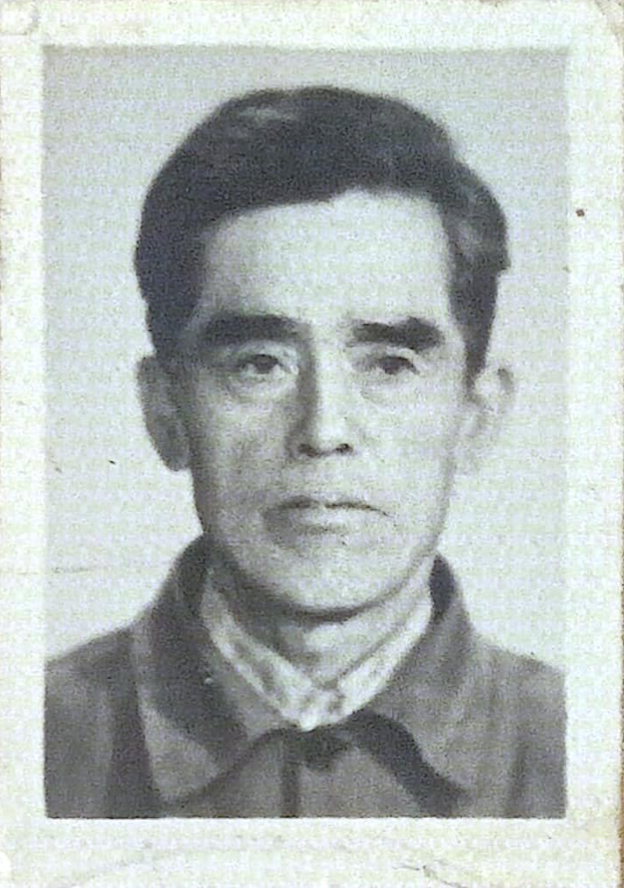
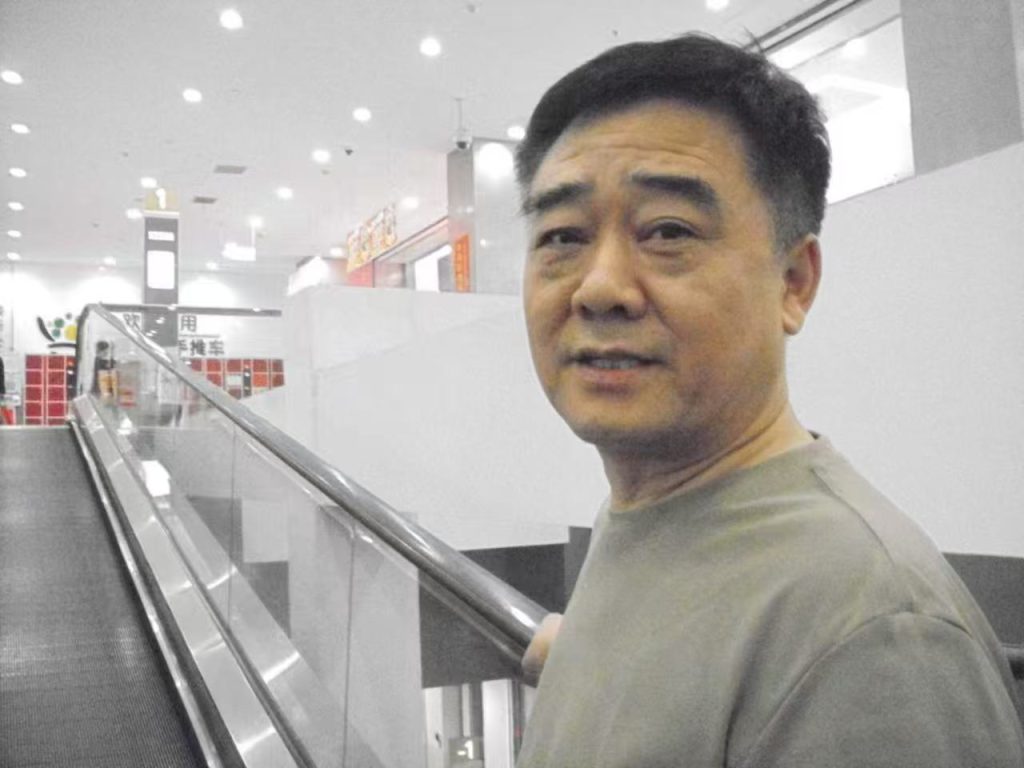
Ping Liu (刘平), the son of a former member of the Chinese People’s Volunteer Army in the Korean War, Ziying Liu (刘子英), was born in Beijing, China in 1961, where he continues to live today. In the interview, Liu talked about his father’s experiences growing up in a wealthy family with a Catholic background in today’s Inner Mongolia, and later enlisting in the Nationalist Army, the People’s Liberation Army, and the Chinese Voluntary Army, which brought him to Beijing, Hebei Province, Korea, and eventually back to Beijing. Liu highlights his father’s anecdotes—including his relationship with the Korean people and his attitude towards prisoners of war—from the Korean battlefield. He also discusses his father’s reflection on his military career in both the Nationalist and the Communist Armies, and this unique experience serving in both forces affected both his and his father’s interpretations of war and modern Chinese politics. The interview covers topics such as personal experiences of war, the Chinese Civil War, Chinese intervention and the People’s Voluntary Army in the Korean War, the Cultural Revolution, prisoner-of-war experiences, the Chinese Communist Party and the Nationalist Party, and Catholicism in China. The interviewee is the interviewer’s father. The interview was conducted via WeChat Video Call due to the distance between the interviewer and the interviewee. The interview was conducted in Mandarin Chinese by Ran Liu, a third-year History major at Colby College who is interested in the cultural, social, and political history of China and the Chinese presence in international warfare.
Ping Liu was born in Beijing, China, in 1961. He spent his childhood in Beijing. During the Cultural Revolution, his family was sent to Hebei province in 1970, only to return to Beijing in 1980 following their political rehabilitation in China’s Boluan fanzheng (trans. “Setting Things Right”) period. After working as a technician at Beijing qiche kaodian chang (Beijing Automobile Cushion Factory), he became a manager of a construction company. He has lived in Beijing since 1980.
The interview focuses on Liu Ping’s memory of his father Ziying Liu’s life journey. Born in Inner Mongolia in 1925, Liu’s life mirrored the turbulence of modern China. He served as a second lieutenant in the Nationalist 35th Army until 1949, participating in both the Anti-Japanese War and the Chinese Civil War. Following his re-draft into the People’s Liberation Army (PLA), he briefly attended the Shijiazhuang Senior Infantry School before being deployed to the Korean War as part of the Chinese People’s Volunteer Army. Immediately after returning to Beijing, he was sentenced to four years of correctional labor, after which he worked at the Changzheng qiche zhizaochang (Long March Automobile Manufacturing Factory). Due to his prior Nationalist service, he was labeled a counterrevolutionary during the Cultural Revolution and sent to rural Hebei, finally returning to Beijing after his political rehabilitation in 1980. In his later years, he became an active member of the Haidianqu laoganbu hechangtuan (Haidian District Retired Cadres Choir) and passed away in Beijing in 2002.