Let the museum visit your school or library!
These programs are designed for students aged 6-8 or 9-11 years old. The program costs $100 for the first presentation and $75 for each subsequent program (up to a total of 4 presentations of the same program). The cost of mileage is an additional 70 cents per mile.
See below for the Traveling Museum Programs that we are currently offering.
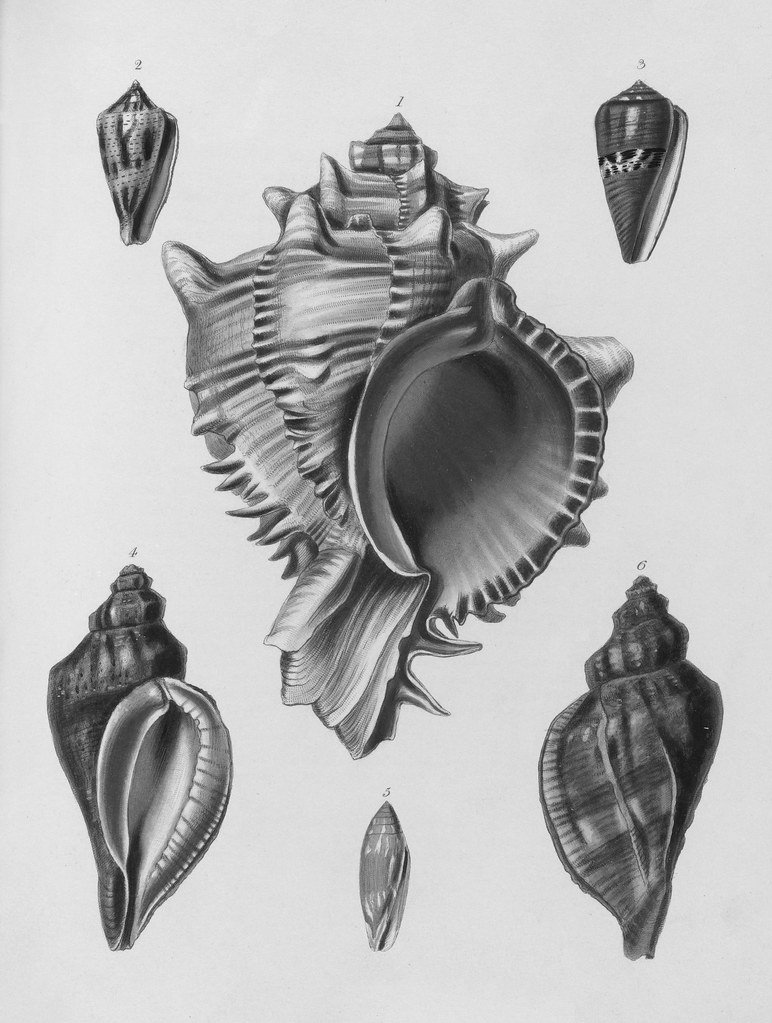
On The Edge of the Sea: Explore the environment and animals of coastal habitats up close with real specimens. We will also talk about human interactions at the edge of the sea and land.
Wetland Ecosystems: Who lives in the wetland? We learn about amphibians, reptiles, beavers, wetland plants, insects and much more living in our local wetlands and how important healthy wetlands are for human well-being.
Forest Ecosystems: Learn about the interdependence of forest plants, animals, and fungi of the woodlands of the Northeast as well as the human interactions with it.
Birds: We look up close at bird mounts, bones, feathers, and claws. We will listen to some bird song, talk about adaptations of birds to different habitats. We will also discuss that human well being is closely tied to bird diversity and health.
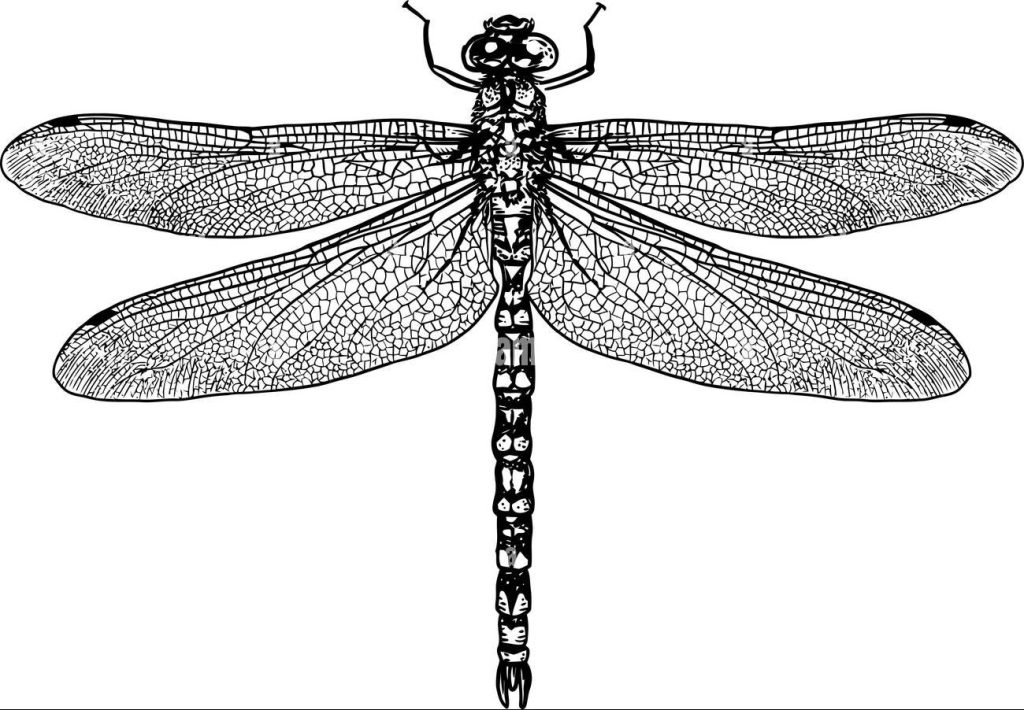
Insects: Learn about the amazing world of insects. Through models and specimens we learn about metamorphosis and adaptations such as mimicry and camouflage.
Flowers and Pollination: Explore the flower life cycle from seed to blossom. We will talk about the different pollinators and use models that explore the function and structure of flowers.
Trees: We learn how trees grow from root to crown, different leaf shapes and how to ID a few common Maine trees. We will also learn about how different human cultures relate to trees.
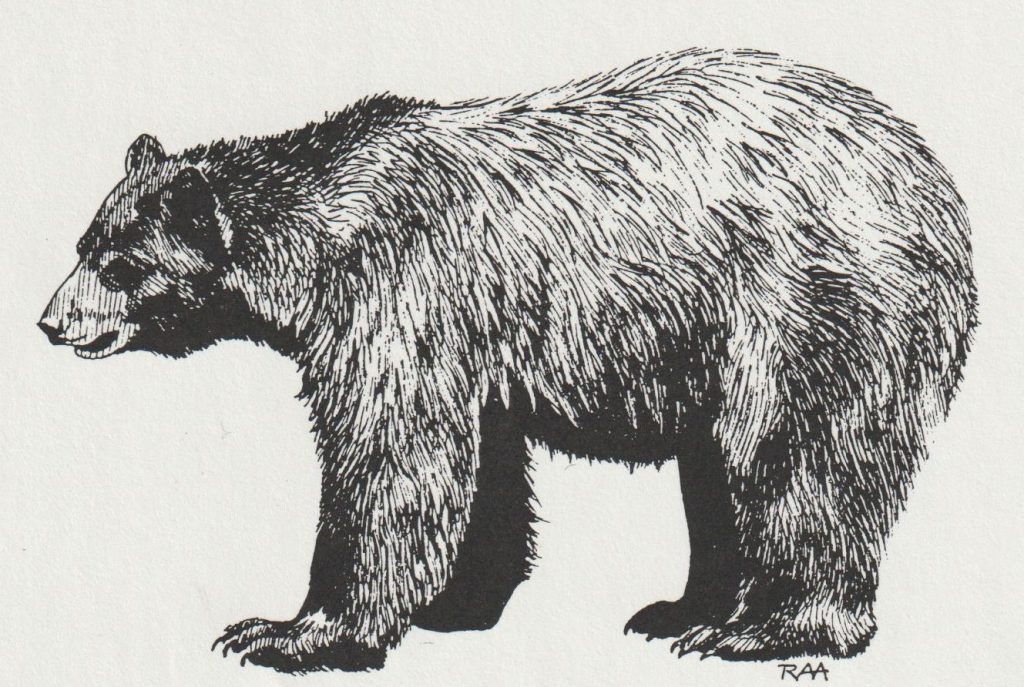
Mammals: We explore the amazing adaptations of mammals by examining tracks, scat, pelts, models, and skulls. This program focuses on carnivores, herbivores, and omnivores.
Nocturnal Animals: Learn about the special adaptations of bats, coyotes, moths, owls, opossums, raccoons, and skunks that help these nocturnal animals survive and thrive at night.
Rocks and Minerals in Your Life: We explore the rock cycle of the Earth and how rocks and minerals are everywhere in our life. We look at different types of rock and mineral specimens, do some simple experiments and look at minerals under a black light.
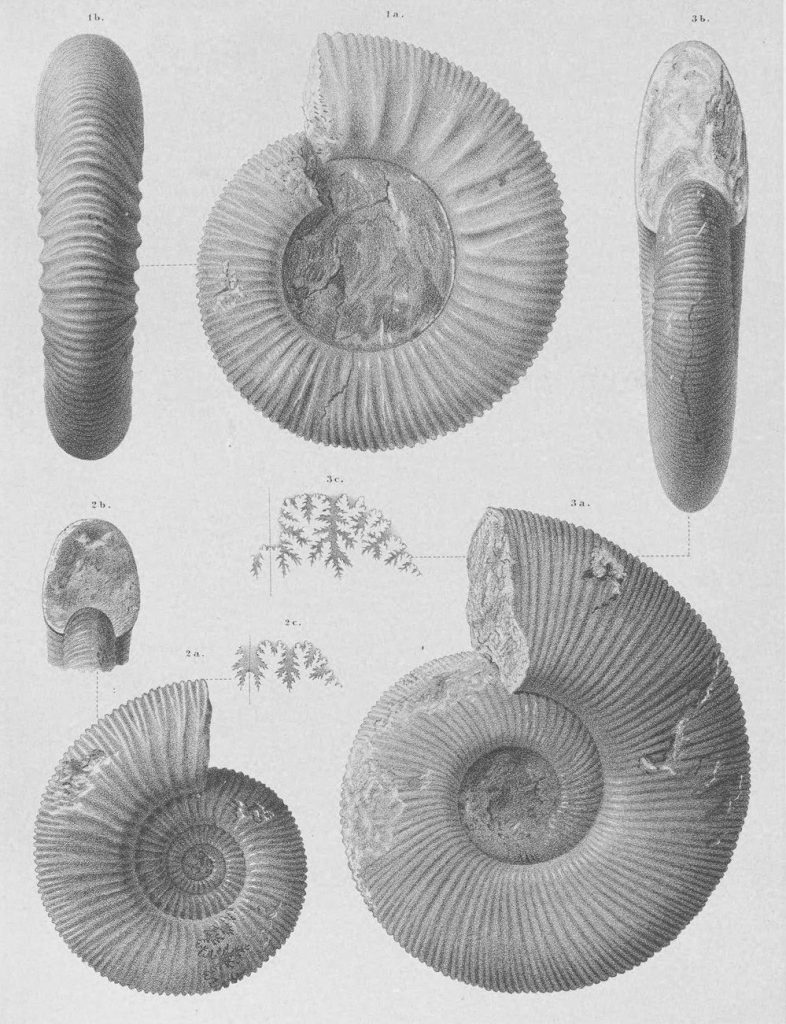
Fossils: We discuss how fossils are made and why they are important to people. We take a closer look at the fossil record with a Deep Time activity, followed by nature journaling and a chance to examine museum specimens.
Our flier is below if you would like to download or print it!