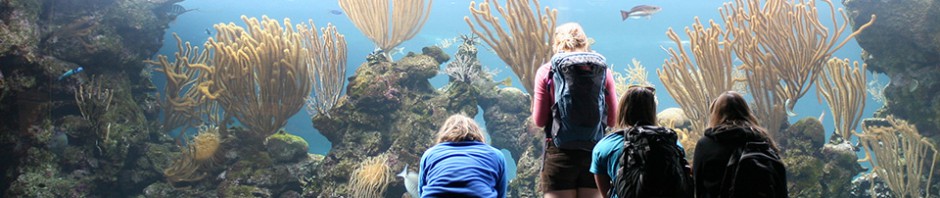
Yesterday we had the distinct pleasure of touring a “living museum,” curated by one David Wingate. A trained zoologist from Cornell, Mr. Wingate is a beacon of hope in the realm of conservation. As it turns out, he doesn’t just tour the island for anyone, yet Bruce’s work and relationship with Mr. Wingate afforded us the opportunity.
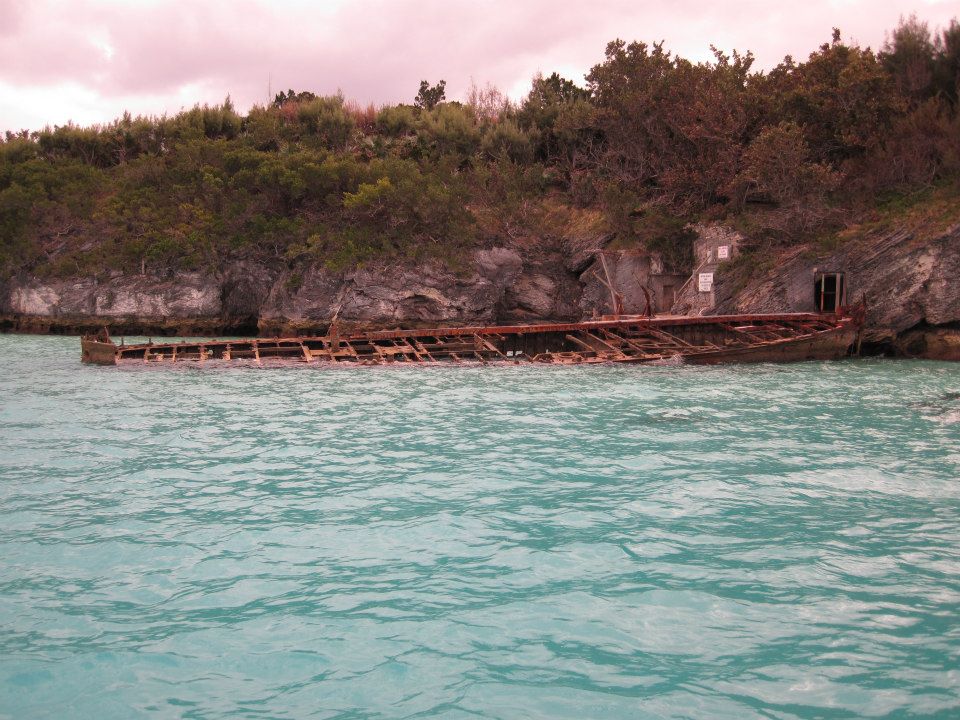
The Wreck on the south side of Nonsuch Island provides an artificial harbor.
We started by viewing the south side of the island from the BIOS vessel R/V Stommel. Here we found a wreck the was intentionally sunk in order to provide some refuge from Castle Harbor swells.
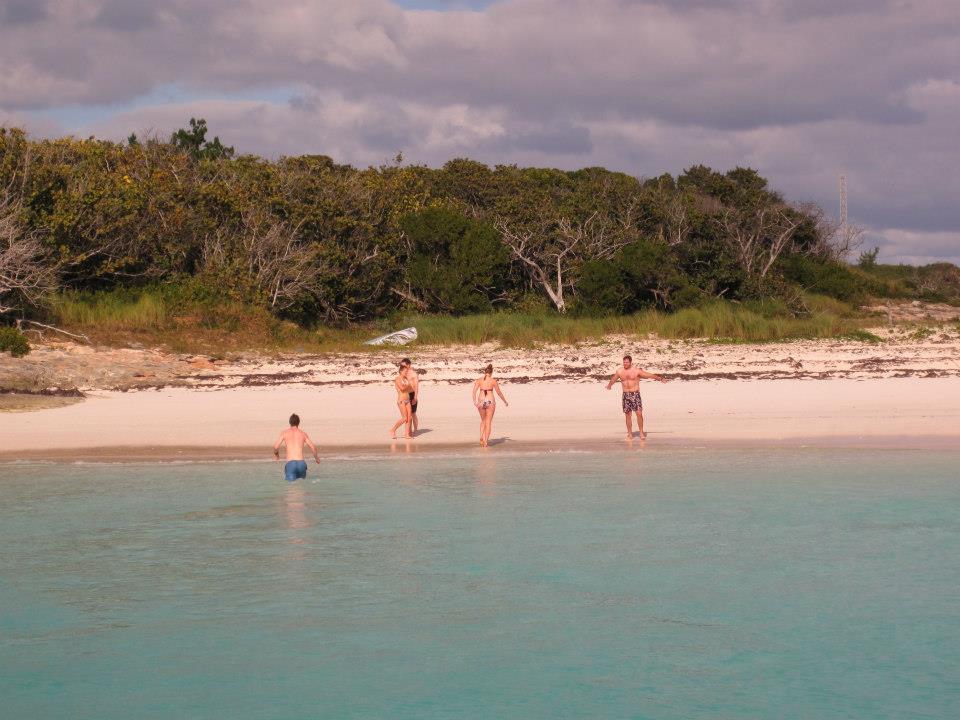
Swimming to shore is required, as there is no actual harbor or dock on Nonsuch.
After a brisk swim to shore, we regrouped our gear and warmed up. Here Mr. Wingate started the tour of Nonsuch Island.
With a curious history ranging from a quarantine hospital from yellow fever, to a reform school for troubling lads, Nonsuch has always been known for it’s isolation from the mainland of Bermuda. Whether or not that quality is a good thing depends on why you were on the island!
Today the island is a “living museum,” where Mr. Wingate has meticulously restored only the native and endemic species of Bermuda, allowing some invasive species if only for usefulness in restoration. Otherwise the island is locals only, with Mr. Wingate and company essentially combing the island to remove all flora and fauna who don’t belong.
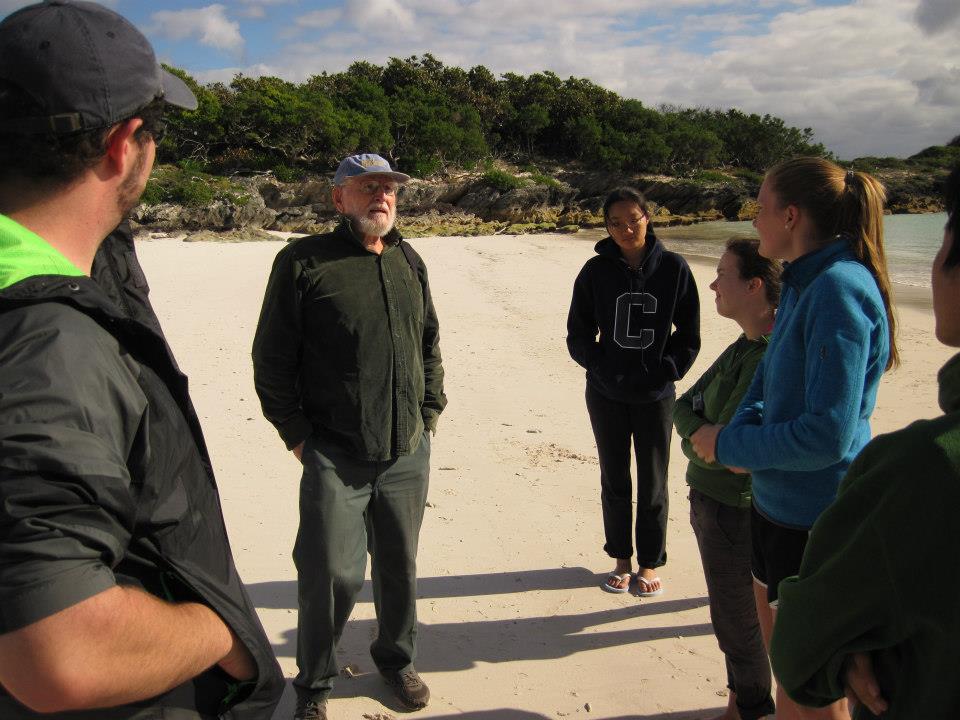
David Wingate in his element: giving a tour of Nonsuch Island.
Mr. Wingate has done some remarkable things with this small stretch of land. For starters, he has mimicked all the terrestrial habitats of mainland Bermuda by adding a freshwater marsh, pictured belong, and a mangrove swamp, which was washed away during Hurrican Fabian in 2003.
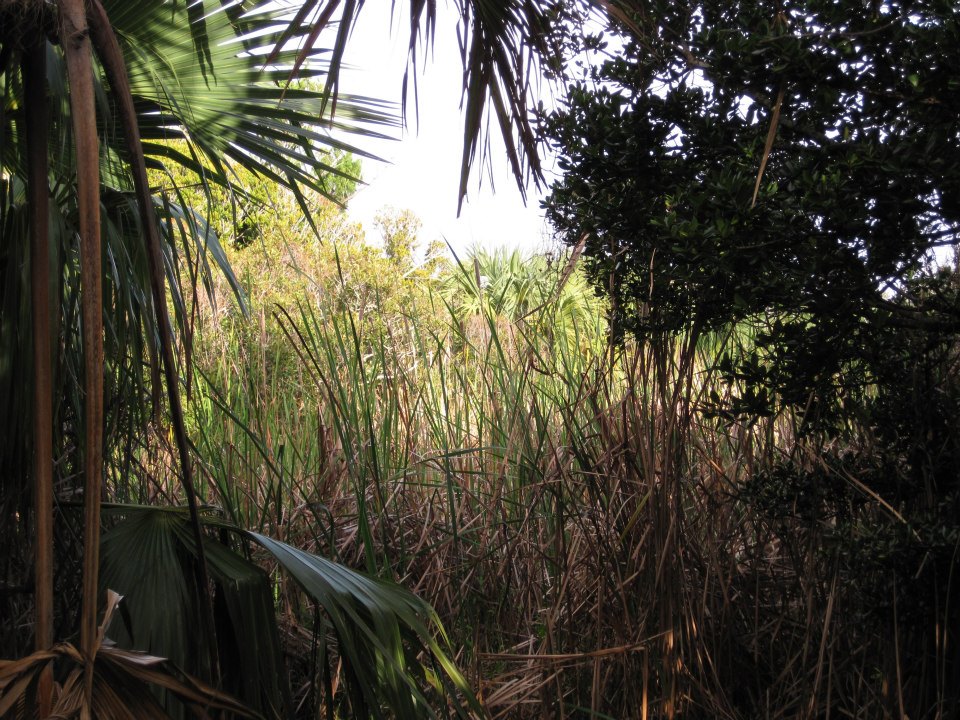
A freshwater marsh created well above sea level on Nonsuch Island.
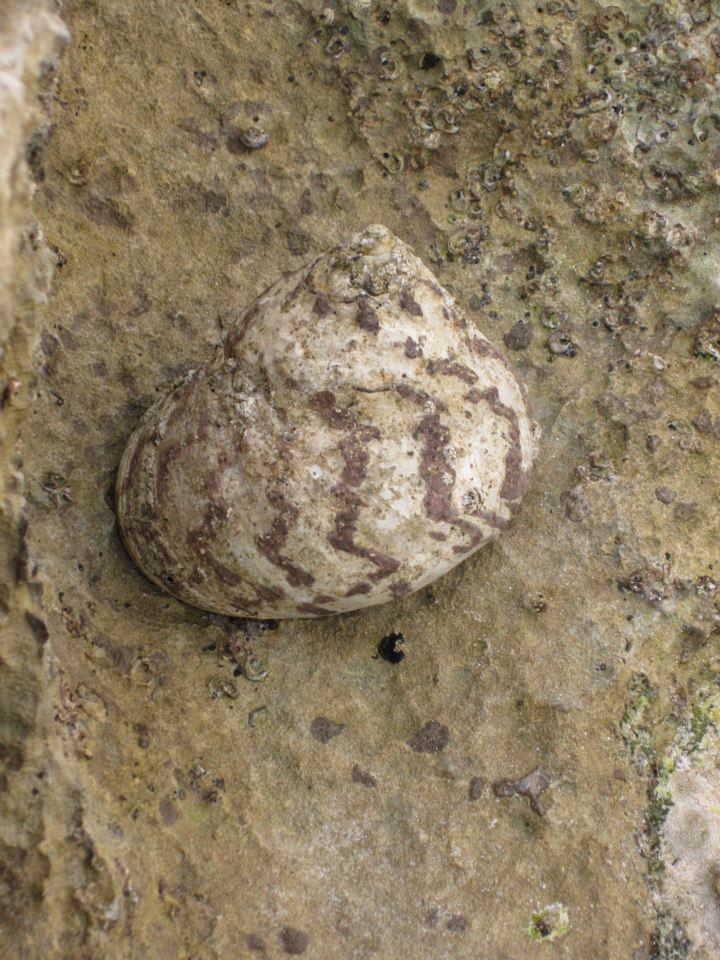
A West Indian Topshell found a stones throw from the site of species reintroduction in 1982.
Beyond restoring native and endemic flora, Mr. Wingate has also spearheaded the reintroduction of the West Indian Topshell in 1982, a gastropod of beauty that has throughly entranced our group throughout our time on the island. We’ve seen this species all over (and even in the fossil record), and it is thanks to restoration efforts beginning on Nonsuch Island. More information of the resortation effort in Bermuda can be found here.
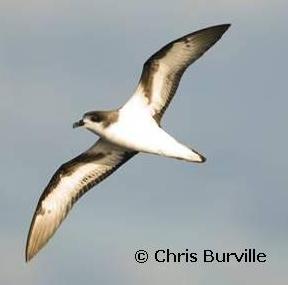 The premiere exhibit of Bermuda’s “living museum” is also a product of Mr. Wingate. In 1951, he was part of a crew that found a nesting pair of Cahow’s or Bermuda Petrol’s. These birds were thought to be extinct, but lo and behold, folks we looking in the wrong place! The Cahow roosts during the day, in burrows that afford complete darkness. They are generally so tucked away that during daylight hours they are simply impossible to see.
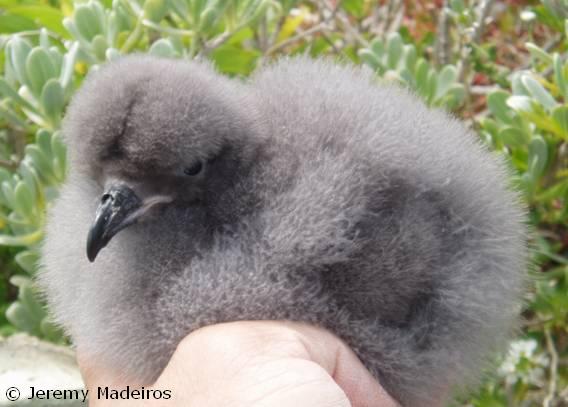
An adorable Cahow, or Bermuda Petrol, chick.
After being driven off the mainland by rodents, humans, and other factors, the Cahow is making it’s resurgance with the help of Mr. Wingate and the Bermuda Department of Conservation. By reestablishing the population on Nonsuch Island, the Cahow, and it’s adorable chicks, should be able to thrive on the island of Bermuda.
For more information on the restoration of the Cahow, look here!
Dedicating a life’s work to restoring a place, no matter how large or small, is truly an amazing accomplishment. As Mr. Wingate put it, “think globally, act locally.” To paraphrase him, “take a place you love, and take care of it.” It truly is amazing and inspiring what one man’s will can do to change a place for the better, especially when fueled with hard work, dedication, and a little bit of luck.