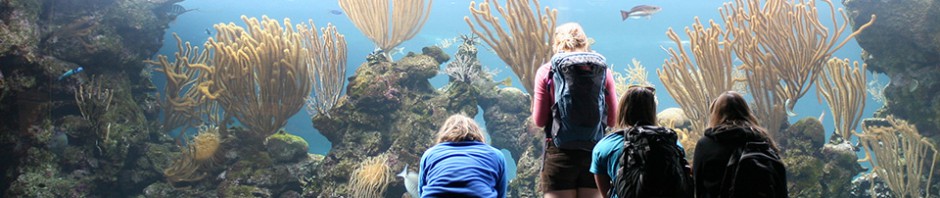
While we have been on Bermuda, there has been a lot of sunshine, very little rain and lots of WIND. The wind seems always to be in our faces as we drive, but we are surviving. Somehow it seems really hard to visualize Bermuda as being anything but paradise. However, when I travel out the the west end of the island my thoughts sometimes realize there is another part of Bermuda. When in the west end, I always make it a point to stop at one or more of the various military cemeteries that seems to make up the majority of the greenspace out that way.
The one that I usually stop at and spend a few minutes reflecting is the Royal Naval Cemetery, just before the gates to the dockyard (see below). It is always a somber place to visit, especially when one stops to read the inscriptions on the markers. What impresses me most or causes me the realize the history of this part of the island are the inscriptions on the markers. Very few of those interred in the cemetery actually died of natural causes. Such wonderful descriptions include died of yellow fever (ok, I guess that is sort of natural), fell from the rigging, crushed on deck by cannon, crushed while careening (look that one up), and accidental drowning (however, I don’t suspect many did it on purpose). Ages of the dead are also usually very young, mostly between 17 and 25 years old.
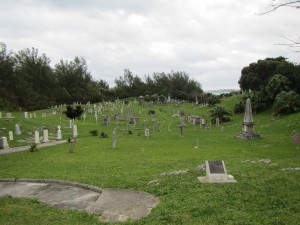
Royal Naval Cemetery
Today I found one on Watford Island that I never knew was there. It was a small one, with a carefully made limestone wall around it and a very impressive plaque at the entrance (see below).
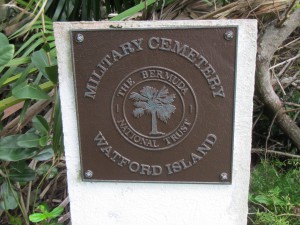
Bermuda National Trust marker at the beginning of the short trail to the Watford Island Military Cemetery
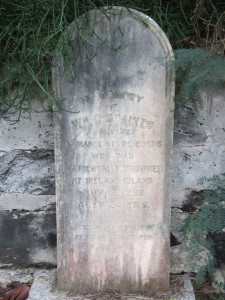
Private Wm C. Staines who was accidentally drowned, aged 24
Makes you feel really good that such attention has been given to these young men who gave their lives for their country while so far from it.
There was also marker for a prisoner at the dockyard who was buried in “unconsecrated ground”.
So while I am visiting this paradise and sharing with others about the geologic evolution of Bermuda, I am also aware that others came here and never left.
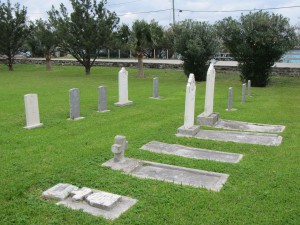
Somerset Island Military Cemetery
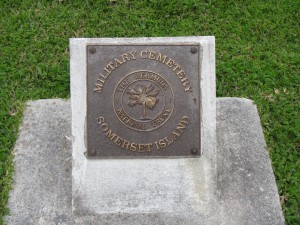
Somerset Island Military Cemetery plaque